
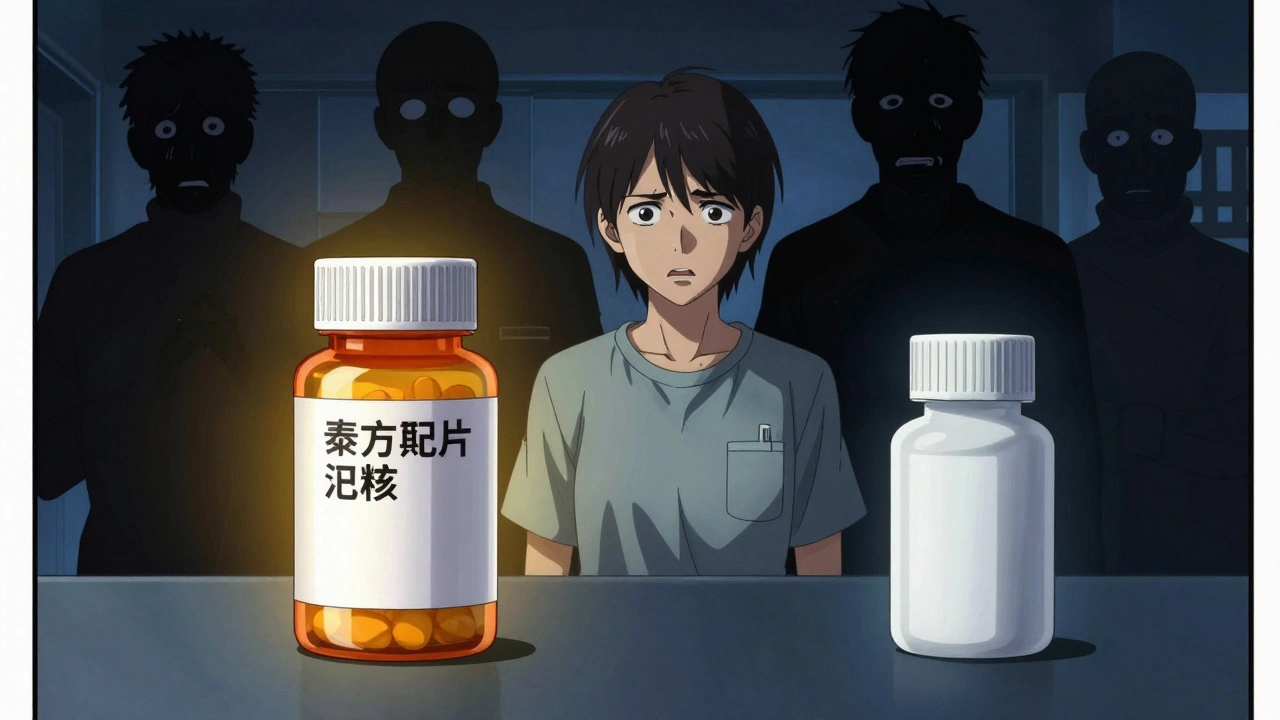
Why do so many patients keep taking expensive medications even when cheaper, equally effective options are available? It’s not about ignorance. It’s not about laziness. It’s about how our brains actually work-and that’s where behavioral economics comes in.
People Don’t Make Rational Drug Decisions
Traditional economics assumes people act rationally: they compare costs, benefits, side effects, and pick the best option. But real patients don’t do that. A 2022 study found that 68% of patients stick with their current medication-even when a better alternative costs 30% less. Why? Because switching feels risky. Even if the new drug is proven to work just as well, the fear of something going wrong overrides logic. This isn’t about being irrational. It’s about predictable patterns in how humans think. Behavioral economics shows us that people are wired to avoid losses more than they seek gains. Losing something you already have-like your current pill routine-feels worse than gaining something new. That’s called loss aversion. And it’s one of the biggest reasons prescriptions go unfilled or aren’t taken as directed.The Hidden Forces Shaping Your Medicine Choices
Several psychological forces quietly guide drug decisions. Here’s how they show up in real life:- Confirmation bias: Patients believe more expensive drugs are better. A 2022 study showed prescription prices rose 47% faster than general inflation over the last decade-yet many patients still assume higher cost = higher quality.
- Present bias: You know you need to take your blood pressure pill every day. But right now? You’re not feeling sick. So you skip it. This preference for immediate comfort over future health is why 33% of prescriptions are never even picked up from the pharmacy.
- Social norms: If you see a poster in the clinic saying, “92% of our patients take their meds on time,” you’re more likely to do it too. One HIV study found adherence jumped 22.3% just by displaying group behavior.
- Framing: Saying a vaccine is “95% effective” gets more people to say yes than saying it’s “5% ineffective.” The same applies to medications. How a doctor talks about a drug matters more than the facts alone.
Defaults Change Behavior-Even for Doctors
One of the most powerful tools in behavioral economics is the default option. People tend to stick with whatever is set as the standard. That’s why hospitals started changing how prescriptions are ordered in electronic systems. In a 2012 study, when doctors’ order sets automatically suggested a cheaper, equally effective drug during a shortage, appropriate substitutions went up by 37.8%. No lectures. No extra paperwork. Just a simple change in the system’s default setting. And it worked. This isn’t about forcing choices. It’s about making the right choice the easiest one. Patients still can pick the expensive drug if they want. But now, they have to actively choose it. That small friction makes a huge difference.Why Education Alone Fails
For years, the go-to solution for poor medication adherence was education: pamphlets, videos, one-on-one counseling. But here’s the problem-those programs typically improve adherence by only 5% to 8%. Not nothing. But not enough. Behavioral interventions? They’re far more effective. A 2022 review of 44 studies found that behavioral strategies improved prescribing and adherence in 92% of cases. The best? Defaults. They boosted appropriate prescribing by an average of 28.6%. Social nudges? Around 21%. Framing? About 17%. Even simple things like SMS reminders make a difference-but only if they’re designed right. Saying “Take your medication” gets a small boost. But saying “Don’t lose your streak!”-triggering loss aversion-improves adherence by 19.7%.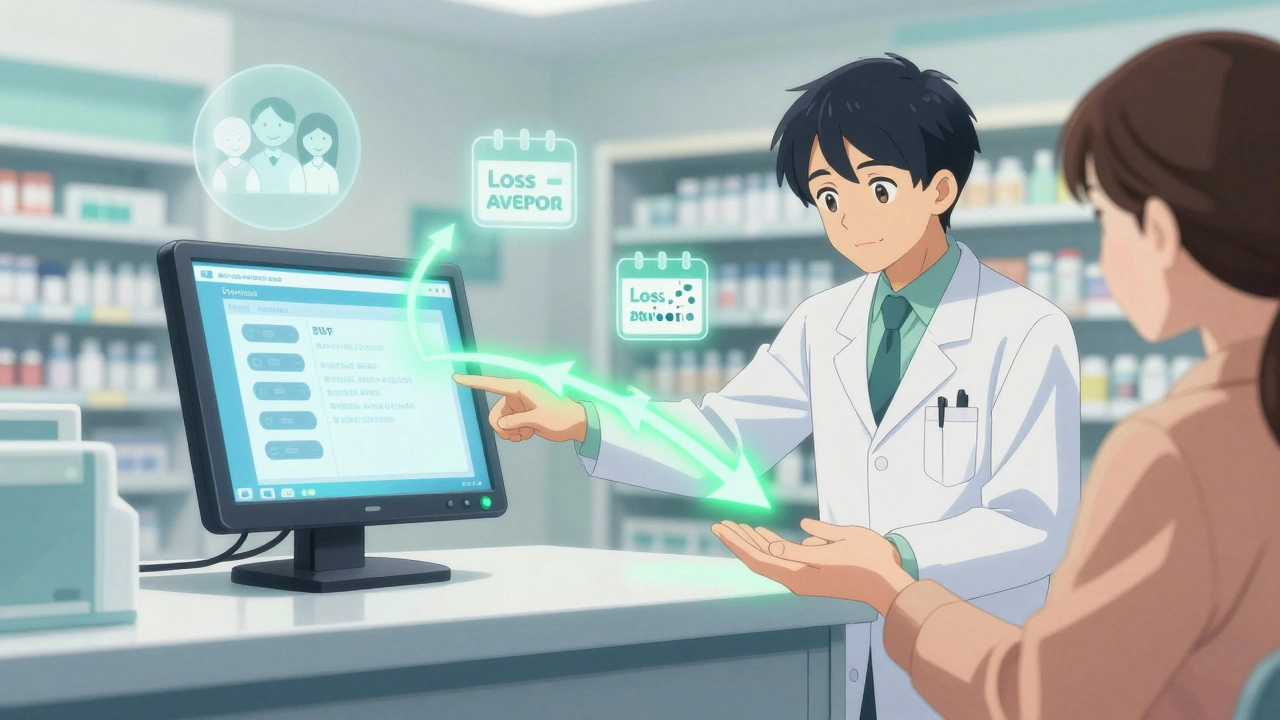
When Behavioral Tricks Don’t Work
Behavioral economics isn’t magic. It doesn’t fix everything. In cancer treatment, for example, options are often limited. If there’s only one drug that works, you can’t nudge someone to switch. And in patients with severe depression or anxiety, these interventions lose about 31% of their effectiveness. Why? Because mental health conditions overload the brain’s ability to process even simple choices. Also, if the alternative isn’t truly equivalent-if the cheaper drug has different side effects or requires more frequent dosing-then nudges can backfire. Patients aren’t stupid. They notice when a “better” option feels harder to use.Real-World Success Stories
The most compelling evidence comes from real programs that worked:- A 2021 NEJM study gave statin patients the chance to earn cash rebates if they took their meds consistently. Those who could lose money if they missed doses had 23.8% higher persistence than those who just got reminders.
- A diabetes clinic in Australia switched from monthly pill bottles to weekly blister packs with built-in alarms. Adherence jumped 29% in six months.
- One pharmacy chain started sending personalized text messages based on a patient’s history: “You missed your last two doses. We’re here to help.” Response rate? 40% higher than generic alerts.
The Cost of Getting It Wrong
Poor medication adherence isn’t just a personal problem. It’s a massive financial burden. In the U.S. alone, non-adherence costs the healthcare system $289 billion every year-and leads to 125,000 avoidable deaths. Pharmaceutical companies are starting to notice. McKinsey reported that drug makers using behavioral insights in patient support programs saw 17.3% higher persistence and 22.8% fewer discontinuations. Payers are following. Twenty-seven of the top 30 pharmacy benefit managers now include behavioral nudges in their formulary designs. Even Medicare Part D now requires plans to offer at least two evidence-based behavioral interventions for high-risk patients. That’s not a suggestion. It’s a rule.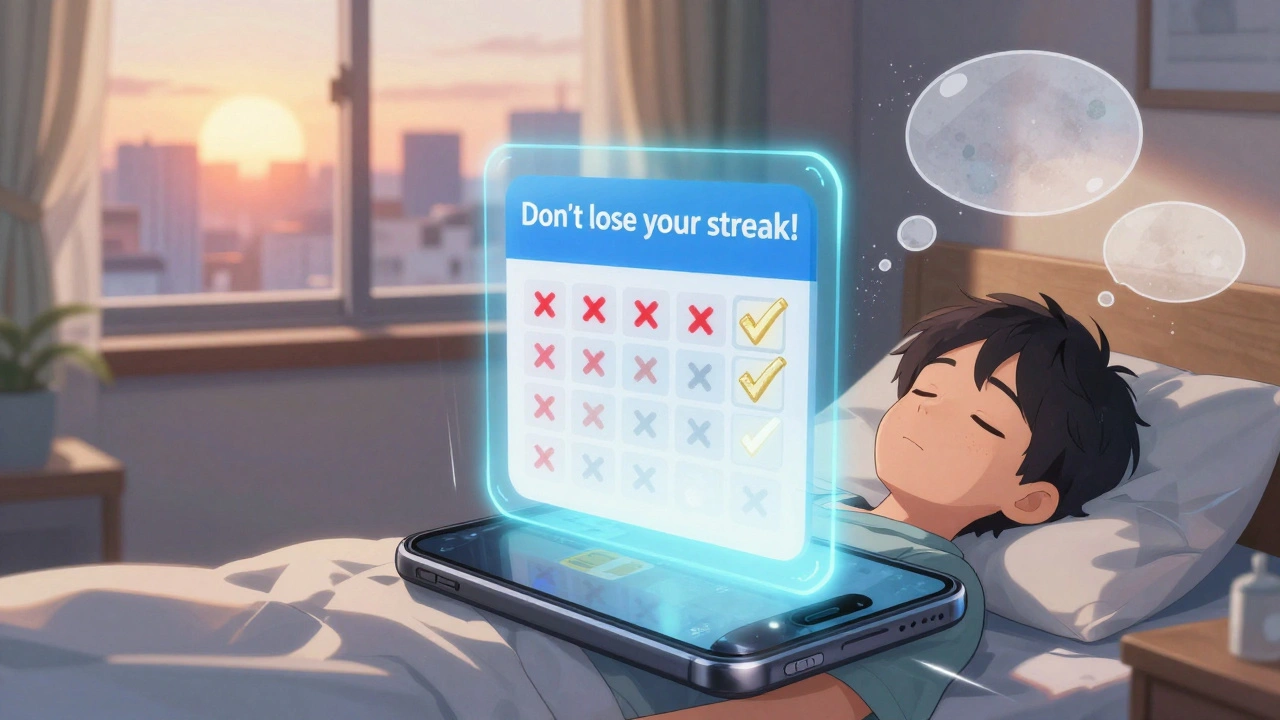
What’s Next? Smarter, Personalized Nudges
The future isn’t one-size-fits-all nudges. It’s personalized ones. Researchers are now using machine learning to predict which patients will respond to which type of intervention. Maybe you’re more likely to respond to a financial incentive. Maybe your neighbor responds better to social pressure. Algorithms can now analyze your age, diagnosis, past behavior, even your language patterns in text messages to tailor the right nudge. Early pilot studies show this approach can boost effectiveness by up to 42%. Imagine a system that knows you tend to skip meds on weekends-and automatically sends a reminder every Friday at 6 p.m. Or one that notices you haven’t refilled your insulin in 45 days and triggers a call from a pharmacist before you even realize you’re out.It’s Not About Controlling Patients
Some critics say behavioral economics is manipulative. That it’s unethical to “nudge” people into taking pills. But here’s the thing: every prescription bottle, every pill organizer, every reminder system is already a nudge. The question isn’t whether to nudge-it’s whether to nudge well. Behavioral interventions don’t take away choice. They make better choices easier. You can still refuse your meds. But now, the system helps you see the value in taking them. And that’s not manipulation. It’s respect.Final Thought: Small Changes, Big Impact
You don’t need expensive apps or fancy tech to improve medication adherence. You need to understand how people really think. If you’re a doctor: design your prescriptions with defaults in mind. Ask: “What’s the easiest thing for my patient to do?” If you’re a pharmacist: frame messages around loss, not gain. “Don’t lose your progress” works better than “Keep taking your meds.” If you’re a patient: recognize when your brain is tricking you. Is it fear? Habit? Inertia? Knowing the pattern helps you break it. Behavioral economics doesn’t change the science of medicine. It changes how we deliver it. And that’s what makes all the difference.Why do patients keep taking expensive drugs when cheaper ones are available?
Patients often stick with expensive medications due to psychological factors like loss aversion (fear of losing what they’re used to), confirmation bias (believing higher cost means better quality), and present bias (preferring immediate comfort over long-term health). Even when equally effective, cheaper alternatives are ignored because switching feels risky or inconvenient.
How effective are behavioral interventions compared to patient education?
Behavioral interventions are significantly more effective. Traditional education programs typically improve medication adherence by only 5-8%. In contrast, behavioral strategies like defaults, loss aversion incentives, and social norms improve adherence in 92% of studies, with some showing up to 28% improvement-more than triple the impact of education alone.
What is a ‘nudge’ in behavioral economics?
A nudge is a subtle change in how choices are presented that makes a desired behavior easier or more likely-without removing freedom to choose. Examples include setting a cheaper drug as the default option in electronic prescribing systems, or sending reminders phrased as “Don’t lose your streak!” to trigger loss aversion.
Can behavioral economics help with drug shortages?
Yes. During drug shortages, hospitals that changed their electronic prescribing defaults to suggest alternative medications saw a 37.8% increase in appropriate substitutions. Behavioral nudges help clinicians make better choices quickly without requiring extra time or training.
Why do some behavioral interventions fail?
They fail when the alternative isn’t truly equivalent, when patients have severe mental health conditions (like depression), or when the intervention isn’t personalized. For example, a nudge that works for a diabetic patient may not work for someone on chemotherapy, where treatment options are limited and side effects are severe.
Is using behavioral economics to influence drug choices unethical?
No-not if patients can still choose freely. Behavioral interventions don’t force anyone. They simply make healthier choices easier to follow. As experts point out, every prescription bottle, reminder, or dosing schedule is already a nudge. The question is whether we design them wisely-or leave them to chance.
What’s the future of behavioral economics in pharmacy?
The future is personalized, data-driven nudges. Machine learning is being used to predict which patients respond best to financial incentives, social reminders, or default settings. Digital tools like smart pill bottles and AI-powered text systems are already boosting adherence by up to 42% in early trials. Expect more integration with insurance plans and FDA guidelines in the coming years.


