

Most people assume that a generic pill is just a cheaper version of the brand-name one-and for the most part, they’re right. The active ingredient is identical. The dosage is the same. The way it works in your body? Also the same. But here’s the part no one talks about until something goes wrong: the excipients. These are the non-active ingredients-the fillers, binders, dyes, and preservatives-that hold the pill together or make it easier to swallow. And while they don’t treat your condition, they can trigger side effects you never had before.
What Exactly Are Excipients?
Excipients are the invisible parts of your medication. They’re not supposed to do anything medically. Their job is to help the drug stay stable, dissolve properly, or look and taste better. Common ones include lactose, corn starch, croscarmellose sodium, titanium dioxide, and artificial colors like FD&C Red No. 40. You won’t find them listed on the bottle’s front label. You have to dig into the package insert or ask your pharmacist.Here’s the catch: the FDA doesn’t require generic manufacturers to use the same excipients as the brand-name drug. So even though both pills contain the same amount of, say, levothyroxine, one might use lactose as a filler and the other might use sucrose. If you’re lactose intolerant, that tiny difference can cause bloating, cramps, or diarrhea-enough to make you think your thyroid meds aren’t working.
Why Do Generic Drugs Cost So Much Less?
Generic drug makers don’t have to spend millions on research, clinical trials, or marketing. They just need to prove their version delivers the active ingredient into your bloodstream at the same rate and amount as the brand. The FDA allows a 20% margin for bioequivalence: 80% to 125% of the brand’s absorption rate. That’s a wide window. For most drugs, it doesn’t matter. But for some, it does.Drugs with a narrow therapeutic index (NTI) are the real concern. These are medications where even a small change in blood levels can cause serious problems. Think warfarin (a blood thinner), levothyroxine (for hypothyroidism), or anti-seizure drugs like phenytoin. A 10% difference in absorption might mean your seizure returns-or you bleed internally. And while the FDA tightened the bioequivalence standard for NTI drugs to 90-110%, excipients can still interfere with how quickly the drug dissolves in your gut. One study found that switching from branded to generic levodopa caused 18% of Parkinson’s patients to report worse symptoms, likely because of changes in how fast the tablet broke down.
Real Cases: When Excipients Cause Real Problems
It’s rare, but it happens. And when it does, people often blame the medication itself-not the filler.One patient switched from branded furosemide to a generic version and developed a severe rash. Turns out, the generic used croscarmellose sodium, a common binder. The patient had never reacted to the brand because it used a different binder. Another person with celiac disease started having stomach pain after switching to a generic antiarrhythmic. The generic contained lactose. No one told them. They didn’t even know their medication had dairy in it.
On patient forums like Reddit’s r/Parkinsons, stories pile up: “After switching to generic Sinemet, I felt like I was drowning in fatigue.” “My ‘off’ periods got twice as long.” “I switched back to the brand and my tremors disappeared.” These aren’t placebo effects. These are real, documented reactions tied to formulation differences.

Who’s at Risk?
You’re more likely to run into trouble if:- You have a known allergy or intolerance (lactose, gluten, dyes, sulfites)
- You take a narrow therapeutic index drug (warfarin, levothyroxine, cyclosporine, digoxin, carbamazepine)
- You’ve had a bad reaction to a generic before
- You’re on multiple medications and your body is already sensitive
- You’re elderly or have gut absorption issues (Crohn’s, celiac, gastroparesis)
It’s not about being “high maintenance.” It’s about biology. Your body doesn’t care if a pill costs $4 or $40. It only cares if it dissolves right, absorbs properly, and doesn’t trigger your immune system or digestive tract.
What You Can Do
You don’t have to accept side effects as “normal.” Here’s how to protect yourself:- Ask your pharmacist what excipients are in your generic. They have access to the full ingredient list. Don’t rely on the label-it rarely lists them.
- Keep a medication diary. Note when you switch brands or generics. Track symptoms: fatigue, nausea, rashes, brain fog, tremors. Link them to timing.
- Request “dispense as written” on your prescription. This tells the pharmacy not to substitute. It’s legal. Your doctor can write it.
- Stick with the same generic manufacturer. If you find one that works, ask to keep getting it. Generics from different makers can vary-even if they’re both labeled “generic.”
- Check for FDA updates. In 2024, the FDA started building a public database of excipients in brand and generic drugs. It’s not fully live yet, but it’s coming.
When to Stick With the Brand
Cost matters. But so does quality of life. If you’ve tried two or three generics and kept having side effects-or your condition got worse-it’s worth pushing for the brand. Medicare and private insurers often require prior authorization for brand-name drugs, but if you document your reactions, you have a strong case.For example, a patient on levothyroxine who keeps testing low on TSH despite taking the same dose might not be non-compliant. They might be getting a generic with a different filler that slows absorption. Switching back to Synthroid-or even a different generic-can fix it.
The Bigger Picture
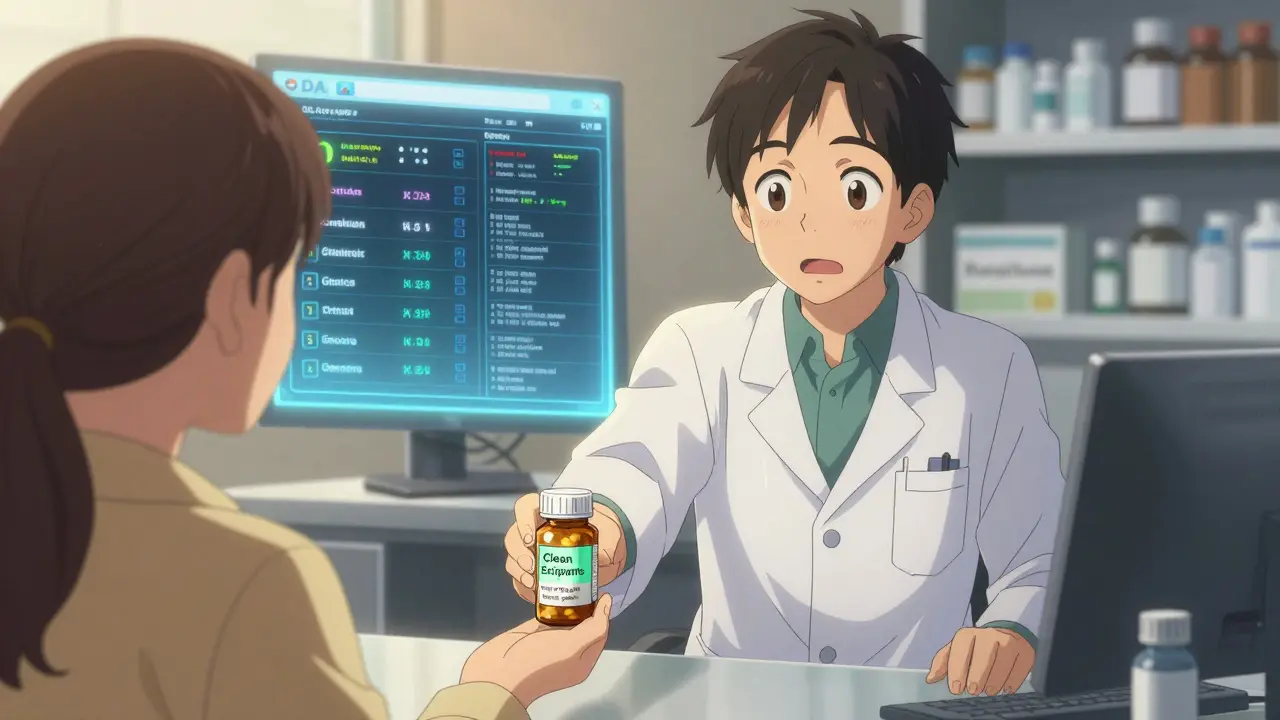
Generic drugs save the U.S. healthcare system about $373 billion a year. That’s huge. But the system still treats patients like numbers. If you’re one of the 5-7% who have a reaction to excipients, you’re not wrong. You’re just not accounted for.Pharmaceutical companies are starting to notice. In early 2024, the Generic Pharmaceutical Association announced plans to standardize excipients in NTI drugs to reduce switching problems. Some manufacturers are already marketing “clean excipient” versions of their generics-free from dyes, lactose, and gluten-for patients with sensitivities.
The future isn’t about choosing between cheap and safe. It’s about choosing the right version for your body. And that starts with asking questions.
Frequently Asked Questions
Are generic medications less effective than brand-name ones?
For most people, yes-they work just as well. Studies show 92% of generic drugs perform the same as brand-name versions across dozens of conditions. But for a small group-especially those on narrow therapeutic index drugs or with excipient intolerances-differences in inactive ingredients can affect how the drug is absorbed, leading to reduced effectiveness or new side effects.
Can excipients in generic drugs cause allergic reactions?
Yes. While rare, excipients like lactose, corn starch, dyes (FD&C Red No. 40), and preservatives can trigger allergies or intolerances. A patient with celiac disease might react to a generic thyroid pill containing lactose. Someone with a dye allergy might break out in hives after switching to a generic blood pressure pill with red coloring. These reactions aren’t to the active drug-they’re to the filler.
How do I find out what’s in my generic medication?
Check the package insert that comes with the pill bottle. If it’s not there, ask your pharmacist for the “Inactive Ingredients” list. You can also search the FDA’s Drugs@FDA database by drug name. Some manufacturers list excipients on their websites too. Don’t assume the label tells you everything-it usually doesn’t.
Why do some generics look different from the brand?
By law, generics can’t look exactly like the brand-name drug to avoid trademark infringement. So they change the color, shape, or size. That’s normal. But those changes often mean different excipients are used-like a different binder or coating. That’s why two pills that do the same job can feel completely different to your body.
Can I switch back to the brand if generics cause problems?
Yes. Talk to your doctor. They can write “dispense as written” or “do not substitute” on your prescription. Insurance may require prior authorization, but if you have documented side effects from generics, your case is strong. Many patients with Parkinson’s, epilepsy, or thyroid disorders successfully get coverage for brand-name drugs after proving generic substitutions don’t work for them.


