
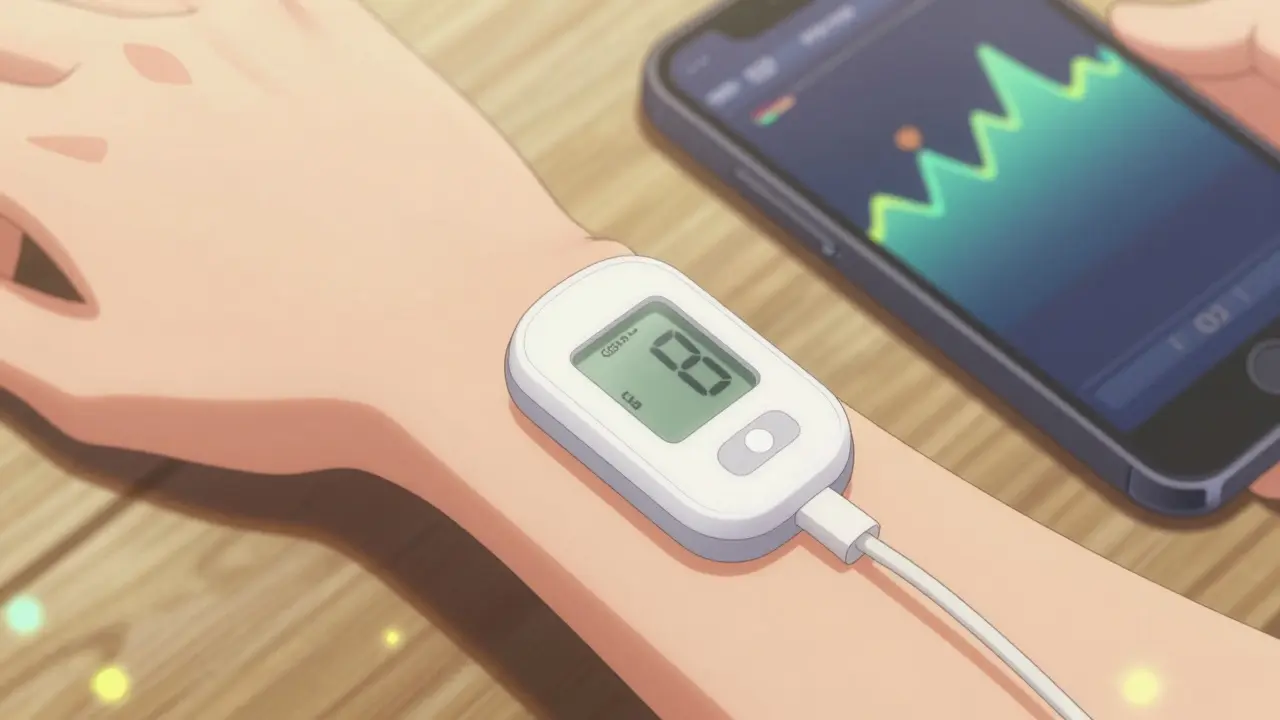
Diabetes management has transformed dramatically in recent years. Gone are the days of constant finger pricks and manual tracking. Today, technology like continuous glucose monitors (CGMs), smart insulin pens, and smart apps are making it easier to manage diabetes with real-time data and automation. Let’s explore how these tools work and why they’re changing lives.
Understanding CGMs
Continuous glucose monitors (CGMs) have revolutionized how people track their blood sugar. Unlike traditional meters that require a finger prick for each reading, CGMs use a small sensor placed under the skin to measure glucose levels in the fluid between cells. This sensor sends readings to a receiver or smartphone app every 5 minutes. According to a 2025 study by Dr. Rodolfo Galindo and Dr. Ron Varghese at the University of Miami, CGMs reveal glucose patterns that HbA1c tests simply can't show. This is huge because it means better management and fewer complications.
Modern CGMs like Dexcom G7 provide real-time data with a Mean Absolute Relative Difference (MARD) of 8.2%, meaning it's very accurate. The Abbott FreeStyle Libre 3 has a MARD of 8.1% and lasts up to 14 days. These devices are now recommended for all Type 1 diabetes patients and many with Type 2 diabetes by the American Diabetes Association's 2025 Standards of Care.
| System | Duration | MARD | Price per Sensor |
|---|---|---|---|
| Dexcom G7 | 10 days | 8.2% | $150-$300 |
| Abbott FreeStyle Libre 3 | 14 days | 8.1% | $150-$300 |
| Medtronic Guardian 4 | 7 days | 9.5% | $200-$350 |
| Glucotrack (upcoming) | 3 years | 7.7% | Not yet available |
Despite their benefits, CGMs have challenges. Sensor adhesion issues affect 45% of users, especially during summer or exercise. Insurance coverage remains a hurdle-37% of commercially insured patients face prior authorization denials. Data security is another concern; a 2025 JAMA study found 63% of CGM systems have vulnerabilities.
Smart Insulin Pens
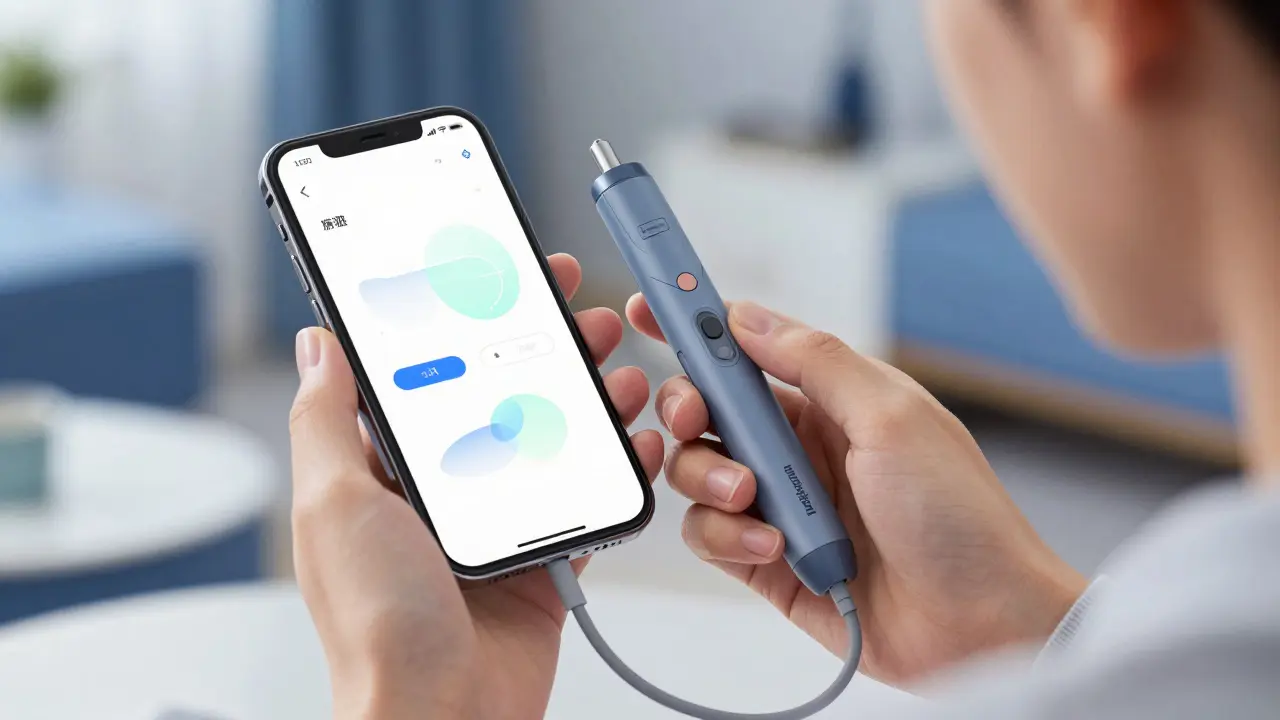
Smart insulin pens like the Medtronic InPen track your doses and sync with CGM data. They calculate suggested insulin amounts based on your current glucose levels. However, adoption is low-only 15% of insulin users have these pens. They work best when paired with a CGM, but many people still rely on traditional pens.
The InPen connects via Bluetooth to your phone, showing dose history and trends. It can even send reminders if you miss a dose. But it's not a standalone solution. Without a CGM, it can't adjust doses based on real-time glucose. That's why combining a smart pen with a CGM creates a powerful system. Still, cost and complexity hold back wider use.
Diabetes Management Apps
Apps like mySugr and One Drop turn your phone into a diabetes dashboard. They log meals, exercise, and insulin doses while syncing with CGMs. This gives you a clear picture of how different factors affect your glucose levels.
But not all apps play nice with every CGM. Only 43% of third-party apps work with all major systems. If you switch from Dexcom to Abbott, you might need a new app. Some apps also struggle with data overload. A 2025 survey found 68% of new users felt overwhelmed by too many alerts before learning to customize them.
Challenges and Future Trends
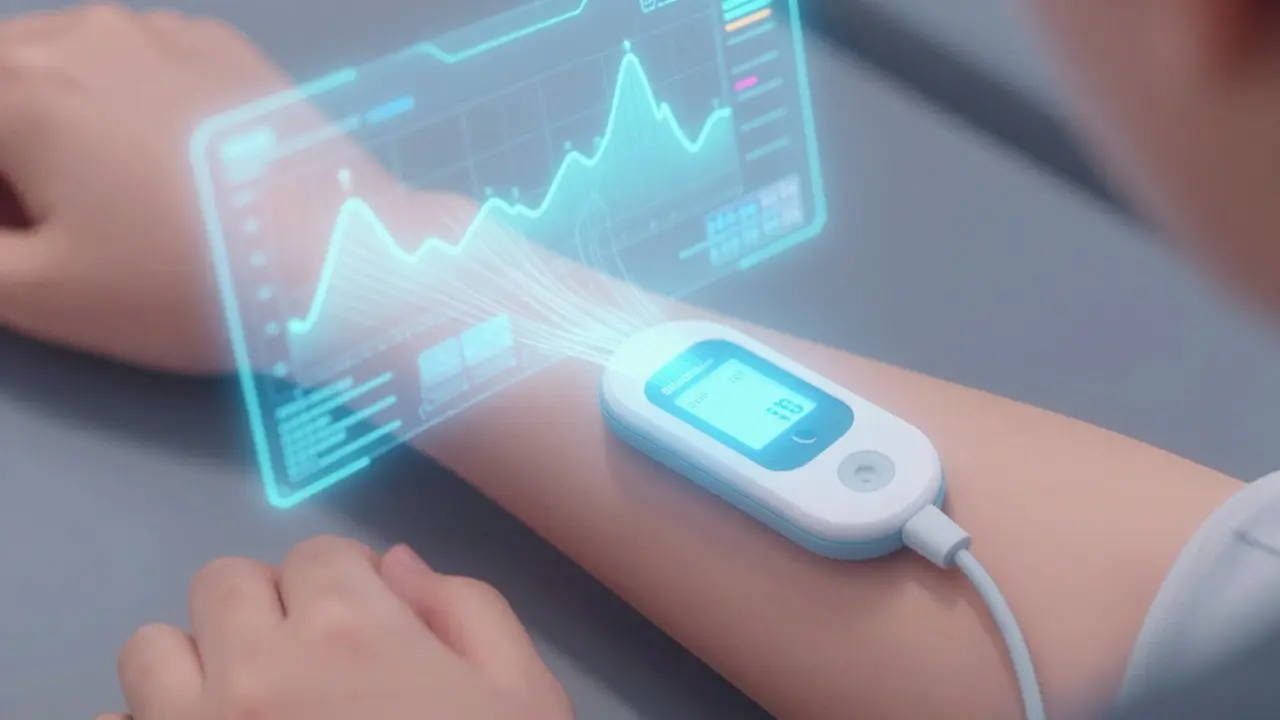
Even with all this tech, challenges remain. Cost is a big one. Uninsured patients pay around $300 a month out-of-pocket. Data privacy is another worry-hackers could potentially access glucose readings. But the future looks promising. Glucotrack's implantable sensor, expected around 2028, aims to eliminate the 5-15 minute lag in current CGMs by measuring directly from blood. This could prevent thousands of severe low blood sugar events each year.
Predictive algorithms are also advancing. A collaboration between Dexcom and EarlySense is developing a system that forecasts glucose changes 30 minutes ahead with 89% accuracy. By 2028, industry analysts predict 85% of insulin-requiring patients will use CGMs. But equitable access remains critical. As Dr. Richard Bergenstal warned, "Data overload" can be a problem, but proper training helps users make the most of these tools.
Frequently Asked Questions
How do CGMs differ from traditional blood glucose meters?
CGMs provide continuous glucose readings every 5 minutes using a sensor under the skin, while traditional meters require manual finger pricks for each test. CGMs show trends and patterns over time, helping you spot highs and lows before they become dangerous. Traditional meters only give a single snapshot of your blood sugar at the moment of testing.
Can smart insulin pens work without a CGM?
Yes, smart insulin pens like the Medtronic InPen can track doses without a CGM. However, their full potential comes from integrating with CGM data. Without a CGM, they can't automatically adjust insulin doses based on real-time glucose levels. They're most effective when used together for a complete management system.
What is Time in Range (TIR) and why does it matter?
Time in Range (TIR) measures the percentage of time your blood sugar stays between 70-180 mg/dL. Each 10% increase in TIR correlates with a 64% reduction in microvascular complications. CGMs make it easy to track TIR, which is more meaningful than just HbA1c averages. For example, someone with a 70% TIR has better daily control than someone with a 60% TIR, even if their HbA1c is the same.
Are CGMs covered by insurance?
Coverage varies widely. Medicare and Medicaid cover CGMs for eligible patients, but private insurers often require prior authorization. In 2025, 37% of commercially insured patients faced denials for CGM coverage. However, the ADA's 2025 Standards of Care explicitly recommend CGMs for many groups, which is helping improve coverage. Always check with your insurance provider and advocate for coverage if needed.
How can I reduce CGM sensor adhesion issues?
Sensor adhesion problems often happen during exercise or hot weather. To improve stickiness, clean the skin thoroughly with alcohol before applying the sensor. Use adhesive patches or tapes designed for CGMs, like those from Tegaderm or Hypafix. Some users find applying a thin layer of medical adhesive spray helps. If adhesion continues to be an issue, talk to your healthcare provider about sensor placement options or different brands that might work better for your skin.


