
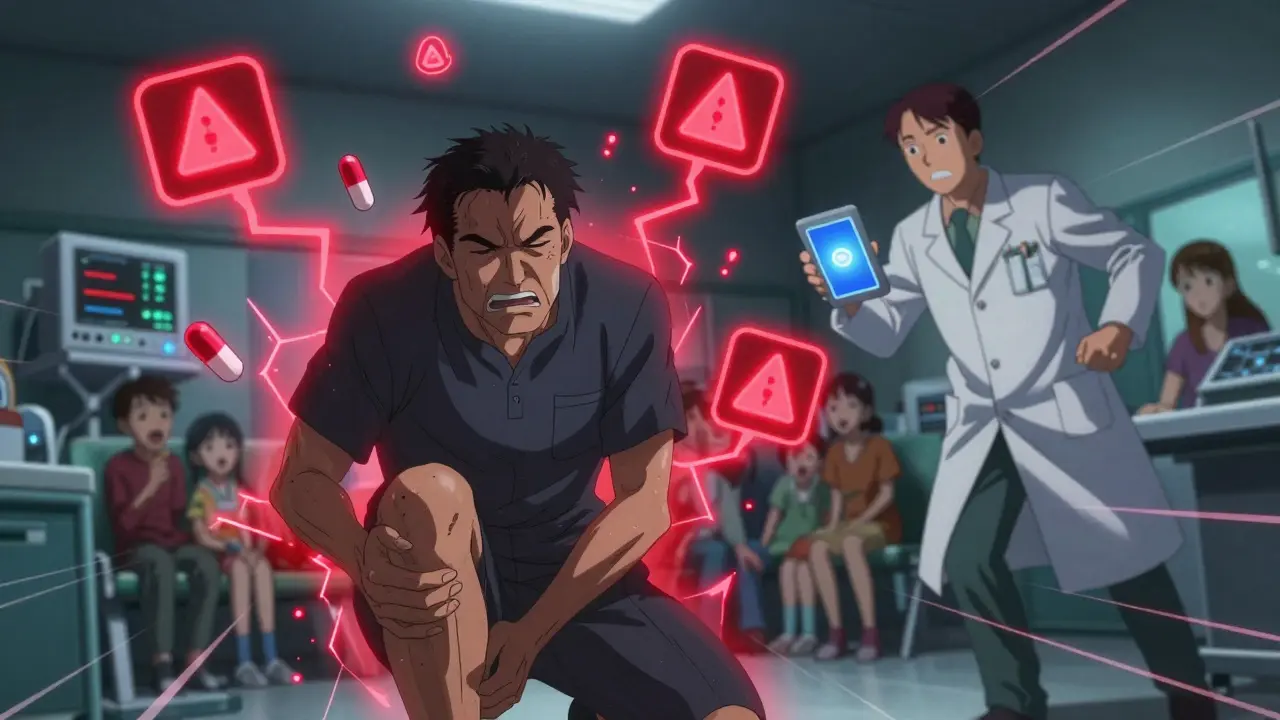
Most people assume that if a drug is approved by the FDA, it’s completely safe to use. But that’s not true. Some of the most dangerous drug interactions aren’t found until after millions of people have already taken the medication. These hidden risks-discovered only after a drug hits the market-can cause serious harm, hospitalizations, or even death. Understanding how and why this happens isn’t just for doctors or pharmacists. It’s critical for anyone taking more than one medication.
Why Clinical Trials Miss Dangerous Interactions
Before a drug gets approved, it goes through clinical trials. These studies usually involve between 1,000 and 5,000 people, and they last only 6 to 12 months. The participants are carefully selected: they’re generally healthy, have one main condition, and don’t take many other drugs. This makes the trial results clean and easy to interpret-but it also means real-world complexity is left out.What happens when someone is 78 years old, has diabetes, high blood pressure, and takes five different pills every day? Or when someone drinks grapefruit juice every morning and takes Lipitor? These scenarios rarely show up in trials. That’s why nearly one-third of new drugs approved between 2010 and 2020 had a major safety issue discovered only after they were sold to the public, according to the FDA.
Take the case of simvastatin (Zocor). In trials, it looked safe. But after millions of people started taking it, doctors noticed a spike in severe muscle damage-rhabdomyolysis. The culprit? Common antifungal drugs like fluconazole (Diflucan). Fluconazole blocks the enzyme (CYP3A4) that breaks down simvastatin. When that enzyme is blocked, simvastatin builds up to 3 to 10 times its normal level in the blood. That’s enough to destroy muscle tissue and damage kidneys. This interaction wasn’t flagged until after the drug was already on shelves.
Three Types of Post-Market Drug Interactions
Not all drug interactions are the same. They fall into three main categories:- Drug-drug interactions: When one medication changes how another works. For example, combining apixaban (Eliquis) with St. John’s Wort can cause life-threatening bleeding because St. John’s Wort speeds up the breakdown of apixaban, making it less effective.
- Drug-condition interactions: When a health condition makes a drug riskier. For instance, people with kidney disease can’t clear metformin as easily, so even normal doses can cause lactic acidosis.
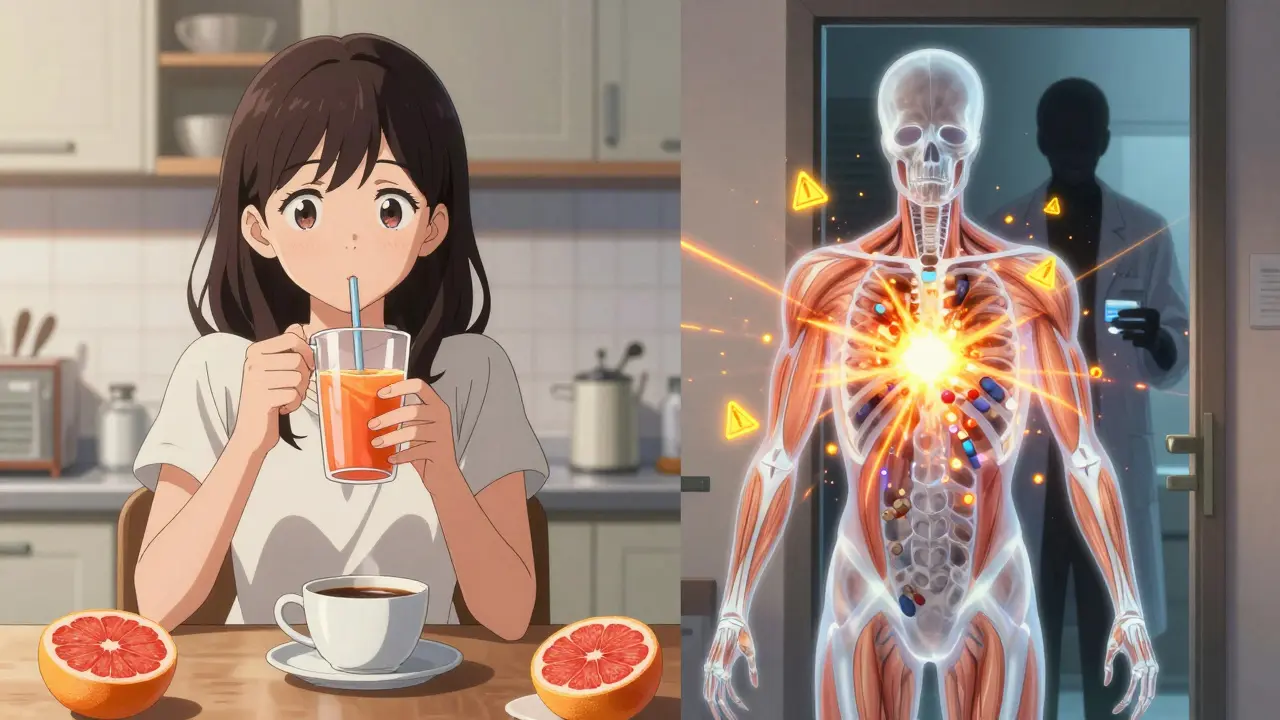
- Drug-food interactions: What you eat or drink can interfere with how your body processes a drug. Grapefruit juice is the most famous offender. It blocks the same enzyme (CYP3A4) that metabolizes atorvastatin (Lipitor), causing blood levels to spike up to 15 times higher than normal. That’s why some patients end up in the ER with muscle breakdown and kidney failure.
These aren’t rare edge cases. A 2020 study found that 70-80% of serious adverse drug reactions were detected only after the drug was widely used. Clinical trials catch about half of common side effects-but miss most of the dangerous ones that only appear when drugs mix or when used long-term.
How We Find These Hidden Risks
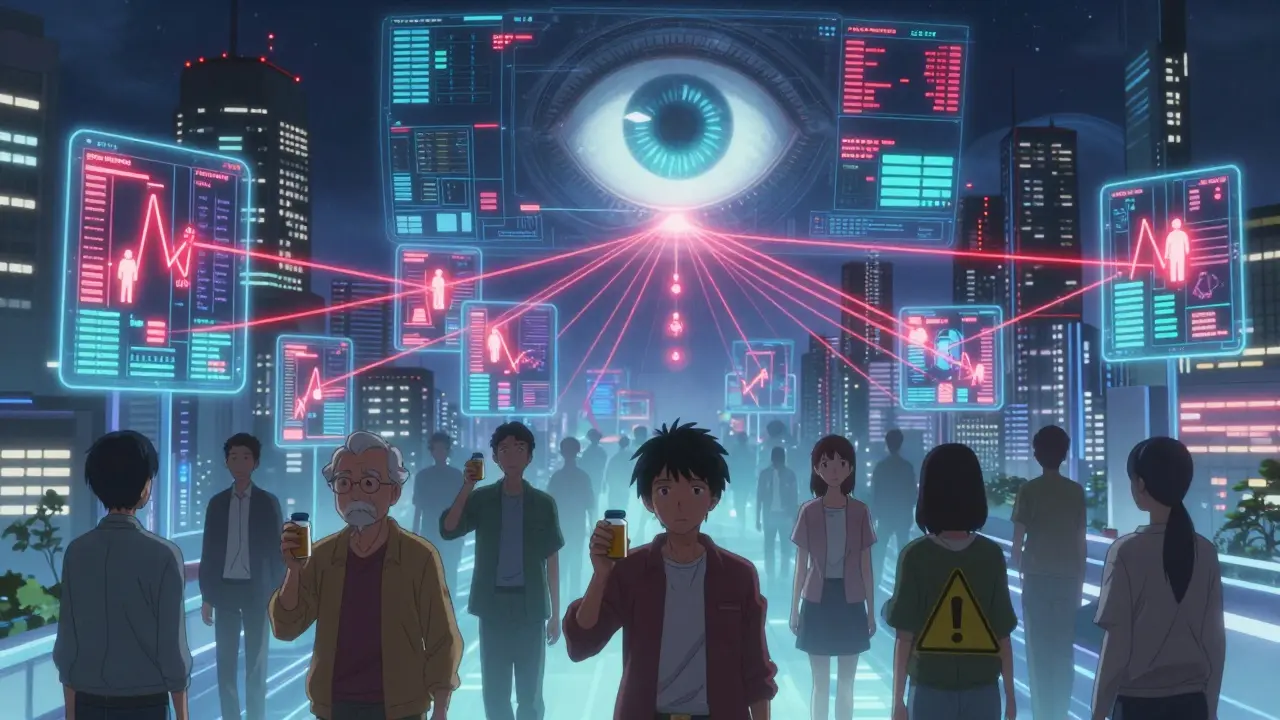
Once a drug is on the market, surveillance systems kick in. The FDA’s FAERS (FDA Adverse Event Reporting System) collects over 2 million reports a year from doctors, pharmacists, and patients. It’s not perfect-researchers estimate that 90-95% of adverse events go unreported-but it’s the best tool we have.One of the most powerful tools is the Sentinel Initiative, launched in 2008. It uses electronic health records from over 300 million patients across 18 U.S. healthcare systems. If a pattern emerges-say, a sudden spike in rhabdomyolysis cases among people taking simvastatin and fluconazole-Sentinel flags it automatically. That’s how the FDA learned about the danger of combining statins with certain antifungals.
Outside the U.S., the European Medicines Agency runs EudraVigilance, which uses artificial intelligence to scan 2.1 million reports annually. Since its 2017 upgrade, it’s cut the time to detect dangerous signals from 18 months to just 45 days. In 2023, the FDA approved its first AI-powered pharmacovigilance platform that can process 10,000 reports a day with 92.7% accuracy.
Real Stories Behind the Data
Numbers tell part of the story. Real people tell the rest.A Reddit user named u/MedSafety456 posted in October 2022: “My doctor didn’t warn me about the grapefruit interaction with my Lipitor-ended up in the ER with kidney damage from rhabdomyolysis.” That same thread had over 1,200 comments, many describing similar experiences.
Another case: a 78-year-old woman started taking apixaban for atrial fibrillation. She’d been taking St. John’s Wort for years to help with mild depression. Neither her doctor nor her pharmacist flagged the interaction. Within weeks, she began bleeding internally. She nearly died. The FDA’s MedWatch report (#123456) listed this as a preventable tragedy.
On the flip side, users of GoodRx have reported life-saving moments. One person wrote: “The interaction warning prevented me from taking ciprofloxacin with my blood pressure meds-my pharmacist confirmed it could have caused dangerous QT prolongation.” That’s the power of accessible, real-time interaction checkers.
The Economic and Human Cost
These interactions aren’t just medical problems-they’re financial ones too. The Institute of Medicine estimated in 2006 that adverse drug events cost the U.S. healthcare system $3.5 billion a year. About $1 billion of that comes from drug interactions alone.Hospital admissions due to these interactions account for 15-20% of all drug-related hospital stays. And it’s not just older adults. Younger people on multiple prescriptions for chronic conditions are at risk too. A 2022 IQVIA report showed the global pharmacovigilance market grew from $5.8 billion in 2020 to $7.3 billion in 2022-a 25.9% jump. Why? Because regulators now require drugmakers to monitor interactions long after approval.
The FDA now mandates post-approval studies for nearly half of all new drugs. For 22% of them, those studies specifically focus on drug interactions. In the EU, every drugmaker must have a risk management plan. In Japan, the same rules apply. Even small biotech companies are outsourcing this work to specialized firms like Parexel, which made $1.2 billion in pharmacovigilance revenue in 2022.
What You Can Do to Stay Safe
You can’t rely on your doctor to know every interaction. They’re human. They see hundreds of patients a week. The system is broken-but you can protect yourself.- Keep a full list of everything you take: prescriptions, over-the-counter meds, vitamins, herbs, supplements. Include dosages and how often you take them.
- Ask your pharmacist every time you get a new prescription. They’re trained to catch interactions. Use tools like GoodRx or Medscape’s drug interaction checker.
- Know your triggers. If you take statins, avoid grapefruit juice. If you’re on blood thinners, avoid St. John’s Wort. Don’t assume “natural” means safe.
- Report side effects. If something feels wrong after starting a new drug, tell your doctor-and file a report with FAERS. Your report could save someone else’s life.
The truth is, your drug doesn’t stop being tested once it’s approved. Its real safety story begins when millions of people start using it. That’s why post-market surveillance isn’t just a regulatory formality-it’s the last line of defense between you and a preventable disaster.
What’s Next for Drug Safety?
The future of drug safety is moving fast. The NIH’s PGRN-2 is now analyzing genetic data from 15,000+ patients to predict who’s at higher risk for certain interactions based on their DNA. Imagine a future where your doctor checks your genes before prescribing a statin-and knows right away if you’re likely to have a bad reaction to fluconazole.Blockchain technology is also being tested to improve reporting. By 2025, 68% of major pharmaceutical companies plan to use blockchain to track adverse events, making it harder for reports to get lost or ignored.
But technology alone won’t fix the problem. The biggest gap? Poor labeling. Many drug labels still don’t clearly warn about interactions. A 2021 Duke University study found that even when interactions are known, they’re often buried in fine print or missing entirely. Until labels are standardized and easy to understand, preventable harm will continue.
Drug safety isn’t a one-time approval. It’s an ongoing conversation between patients, providers, regulators, and the drugs themselves. The more you know, the safer you are.
What does it mean when a drug interaction is discovered post-market?
It means the interaction wasn’t found during clinical trials before the drug was approved. Instead, it was discovered after the drug was widely used by the public. These discoveries often come from reports of side effects collected through systems like the FDA’s FAERS or the EU’s EudraVigilance. Post-market discoveries are common because clinical trials are too small and too short to catch all possible interactions.
Why are drug interactions missed in clinical trials?
Clinical trials typically involve only 1,000-5,000 people for 6-12 months. Participants are usually healthy, take few other medications, and are under strict monitoring. Real-world patients are older, sicker, and take multiple drugs. Conditions like kidney disease, liver problems, or diet (like grapefruit juice) aren’t tested. That’s why interactions that only show up after years of use or in specific populations often go unnoticed until after approval.
How do we know if a drug interaction is dangerous?
Regulators look at patterns in adverse event reports. If hundreds of people taking Drug A and Drug B report the same serious side effect-like muscle breakdown, liver damage, or abnormal heart rhythms-it triggers a safety review. Tools like the Naranjo Algorithm help determine if the interaction is likely the cause. If confirmed, the FDA may issue a black box warning, update the label, or even remove the drug from the market.
Can I trust my pharmacist to catch all interactions?
Pharmacists are trained to spot interactions and use digital tools to check for them. But they can’t know everything unless you tell them everything you’re taking-including supplements, herbal remedies, and over-the-counter drugs. Always bring your full list to the pharmacy. If you’re unsure, ask: “Could this interact with anything else I’m taking?”
Are natural supplements safe to mix with prescription drugs?
No. Many herbal supplements interfere with prescription medications. St. John’s Wort can reduce the effectiveness of blood thinners, birth control, and antidepressants. Goldenseal can affect liver enzymes and alter how drugs like simvastatin are processed. Just because something is “natural” doesn’t mean it’s safe to combine with your meds. Always check with a pharmacist before using supplements.
What should I do if I think I’m having a drug interaction?
Stop taking the suspected medication and contact your doctor or pharmacist immediately. If you have symptoms like unexplained muscle pain, weakness, dark urine, dizziness, unusual bleeding, or irregular heartbeat, go to the ER. Then, report the event to the FDA’s MedWatch program. Your report helps improve drug safety for everyone.
If you take more than one medication, you’re already in the zone where post-market surveillance matters. Don’t wait for a warning label to tell you something’s wrong. Stay informed. Ask questions. Report side effects. Your life could depend on it.


