
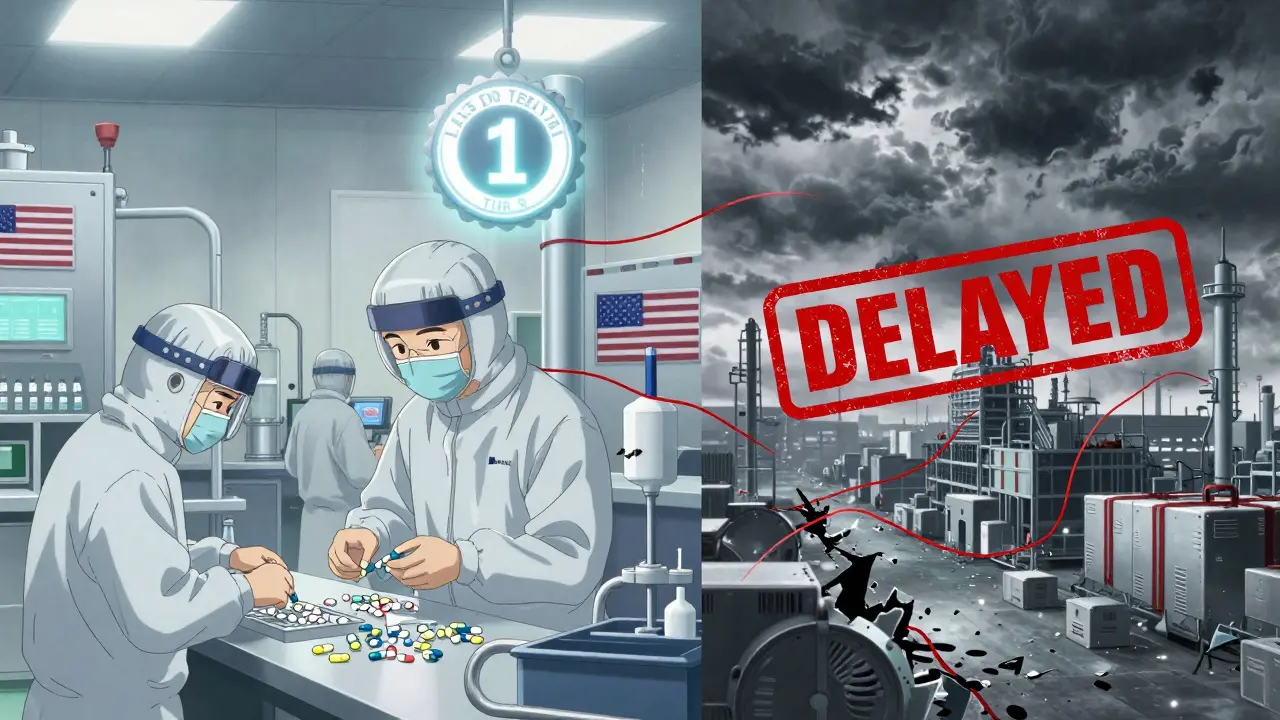
Since 2023, the U.S. Food and Drug Administration (FDA) has made some of the biggest changes to how generic drugs get approved in over a decade. These aren’t small tweaks - they’re a full rewrite of the rules for bringing low-cost medicines to market. If you’ve ever wondered why some generic pills suddenly became available faster, or why others still take forever, this is why.
What Changed in Generic Drug Approval?
The big shift started with the ANDA Prioritization Pilot Program, which launched on October 3, 2025. ANDA stands for Abbreviated New Drug Application - the paperwork generic drug makers submit to prove their medicine works just like the brand-name version. Before this program, every application got treated the same, no matter where it was made. Now, the FDA gives faster reviews to companies that do most of their work in the U.S.
Why? Because the U.S. relies too much on other countries for its medicine. As of 2025, only 9% of active pharmaceutical ingredient (API) manufacturers are based in the U.S. That’s down from 14% in 2010. Meanwhile, 44% are in India and 22% in China. When a factory overseas shuts down - whether from a storm, political issue, or quality problem - American patients feel it. In 2025, the FDA’s Drug Shortage List included 147 medications, from antibiotics to heart drugs. The pilot program was built to fix that.
How the Prioritization Pilot Works
The FDA created four tiers of priority based on how much of the drug is made and tested in the U.S. The highest tier - Tier 1 - requires 100% domestic manufacturing and testing. If you hit that mark, your application gets reviewed in as little as 8 months. That’s a 35-40% faster turnaround than the old 12-15 month average.
Here’s what gets you into Tier 1:
- APIs (the active ingredients) sourced from U.S. facilities
- Bioequivalence studies done at FDA-registered U.S. labs
- Final manufacturing in a U.S. facility that passes CGMP inspections
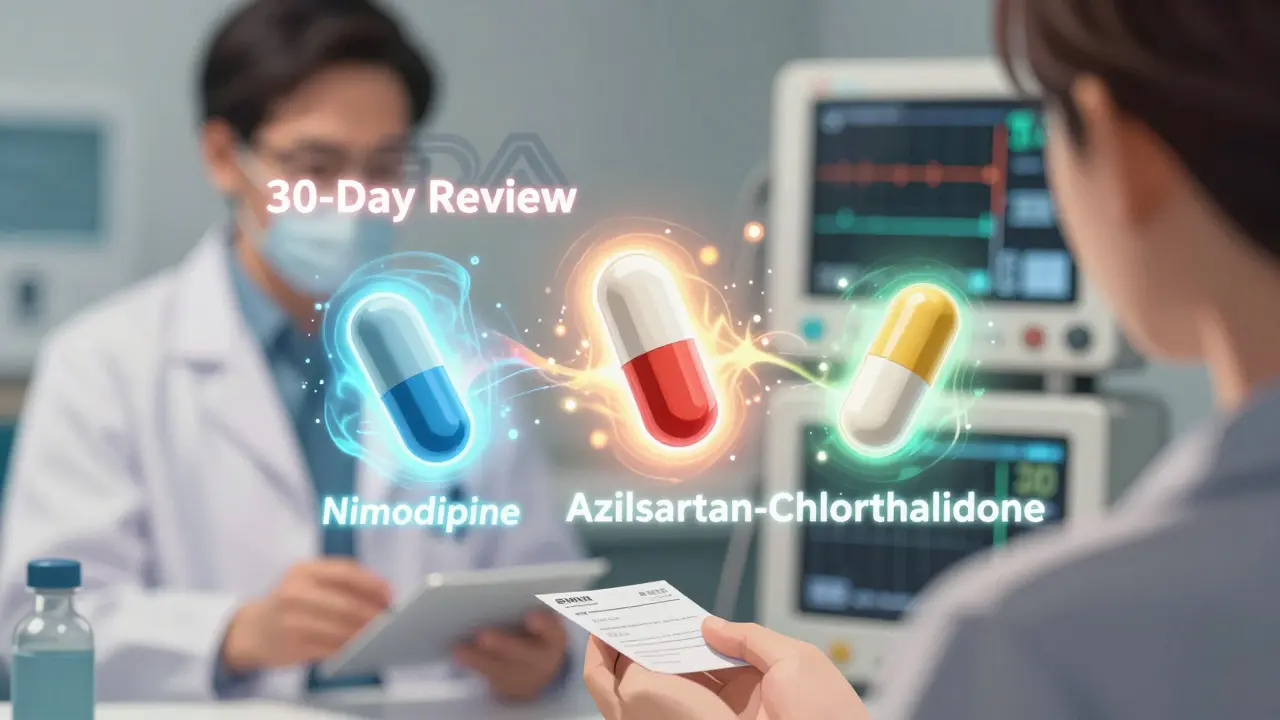
Even if you’re not at 100%, you can still get priority. Tier 2 requires 75-99% domestic content. Tier 3 is 50-74%. Tier 4 is for applications with less than 50%, but still includes some U.S. components. The faster review isn’t just a perk - it’s a game-changer. Applications in the pilot get their first review in 30 days, not 60-90. Complete responses come in 45 days instead of 120.
Which Drugs Benefit Most?
The FDA didn’t roll this out for everything. The pilot focuses on drugs that are:
- On the official Drug Shortage List
- Essential medicines named by the Department of Health and Human Services
- First generics - the very first version of a drug to come off patent
By mid-2025, the FDA had approved 9 first generics under this new system. Notable ones include Ivermectin Tablet (for parasitic infections), Nimodipine Solution (used after brain aneurysms), and Azilsartan Medoxomil and Chlorthalidone Tablet (a high blood pressure combo). These aren’t flashy drugs - they’re the ones hospitals and pharmacies can’t afford to run out of.
First generics now make up 18.7% of the entire U.S. generic market. When one hits the market, prices drop an average of 78.3% within six months. That’s why the FDA is pushing hard for more of them.
Who’s Winning and Who’s Struggling?
Companies with deep pockets and U.S. facilities are thriving. Teva, Amneal, and Aurobindo have all ramped up domestic production. Teva’s regulatory director said the 30-day initial review window cut their nimodipine launch time by 8 months. That’s a $100 million+ advantage in revenue.
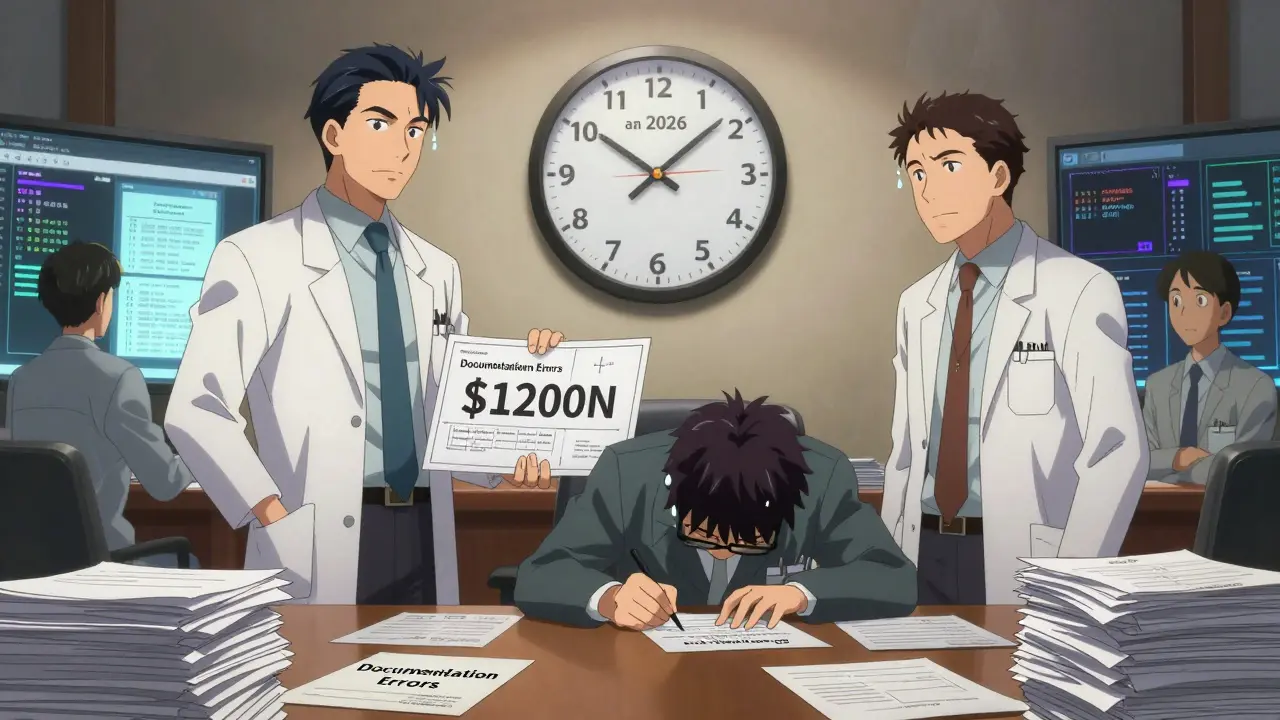
But it’s not easy for everyone. The cost to build a compliant U.S. manufacturing facility? $120 million to $180 million. That’s out of reach for small companies. Even if you already have a factory, validating it for U.S. standards can add $1.2 million to $1.8 million per application. A survey of 127 generic manufacturers found 54% started expanding domestically, but 31% delayed product launches because they couldn’t afford it.
And it’s not just money. The paperwork is brutal. The Association for Accessible Medicines found companies spend an average of 217 hours per application just on documentation. That’s over five full workweeks. The FDA’s own data shows 82% of first-time pilot applicants had to resubmit because they missed something - usually proof of U.S. testing or API sourcing.
Are These Drugs Safe?
One big concern: Are faster approvals riskier? The answer, based on real data, is no. Dr. Aaron Kesselheim from Harvard published a study in JAMA Internal Medicine in March 2025 comparing 420 pilot-approved generics with traditionally approved ones. He found no difference in effectiveness. The confidence interval for therapeutic outcomes? 0.97 to 1.03. That’s basically identical.
That’s because the FDA didn’t lower standards - it just changed where the work happens. Bioequivalence studies still need to meet the same rigorous benchmarks. The difference is now they’re done in U.S. labs, under U.S. oversight, with U.S. data.
Still, some experts warn. Dr. Rachel Sherman, former FDA deputy commissioner, says this could fracture global supply chains. And the European Generic Medicines Association filed a formal complaint in July 2025, arguing the program might violate international trade rules.
What’s Coming Next?
The pilot started with simple pills and liquids. But starting January 2026, it expands to include complex generics - things like nasal sprays, eye drops, and skin patches. These are harder to copy because they need precise delivery systems. The FDA is already drafting new guidelines for them, due out in November 2025.
And it’s not stopping there. The agency is testing AI tools to help review applications. Early tests show AI can cut review times by another 25% for pilot applicants. Imagine a machine scanning 500 pages of data in minutes, flagging inconsistencies, and suggesting fixes. That’s the future.
The FDA projects that by 2028, U.S. API manufacturing will jump from 9% to 23%. That’s still not self-sufficiency - but it’s a major step. The Congressional Budget Office estimates the program will save $4.2 billion a year by 2030 by avoiding emergency drug buys and hospital shortages.
What This Means for Patients
For you? It means more affordable options for essential drugs - and fewer surprises when your pharmacy says they’re out of stock. The drugs most affected are the ones you take daily: blood pressure meds, diabetes pills, antibiotics. If you rely on generics, you’re already benefiting.
But there’s a catch. If you’re on a drug that’s not on the priority list - say, a high-volume, low-cost generic like metformin - you might not see faster access. In fact, those drugs might get even slower because manufacturers are shifting resources to the high-priority ones.
Price-wise, expect short-term increases. The MedPAC report predicts generic costs could rise 12-18% over the next 2 years as companies absorb domestic costs. But by 2028, those prices should stabilize - and likely drop again as more U.S. factories come online.
Bottom Line
The FDA’s changes aren’t about politics. They’re about survival. The pandemic showed us what happens when a single factory in India shuts down and 30 million Americans can’t get their heart medication. The new system isn’t perfect - it’s expensive, complicated, and leaves some manufacturers behind. But it’s the most realistic plan we have to stop relying on overseas factories for our medicine.
If you’re a patient, know this: the drugs you need are more likely to be in stock. If you’re a manufacturer, the rules have changed - and the window to adapt is narrowing. The clock is ticking, and the FDA isn’t waiting.
Are all generic drugs affected by these changes?
No. Only applications submitted under the ANDA Prioritization Pilot Program are affected. This mainly includes first generics, drugs on the FDA’s Drug Shortage List, and essential medicines. High-volume, low-cost generics not on the priority list still follow the old review process.
Do I need to worry about the safety of generics approved under the new system?
No. The FDA has not lowered safety or effectiveness standards. All generics, whether approved under the pilot or not, must prove they are bioequivalent to the brand-name drug. Independent research from Harvard in 2025 confirmed that therapeutic outcomes are identical between the two approval paths.
Why are some generic drugs still hard to find?
Because not every drug qualifies for the fast-track program. Many generics - especially those made from complex molecules or produced in high volume - aren’t prioritized. Manufacturers also face delays due to API shortages, facility inspections, or documentation errors. The pilot helps, but it doesn’t solve every supply issue.
Will generic drug prices go up because of these changes?
Yes, in the short term. Building U.S. manufacturing capacity adds costs that manufacturers pass on. Experts estimate a 12-18% price increase over the next two years. But by 2028, as more domestic factories open and scale up, prices are expected to drop again - potentially below pre-pilot levels.
How can I tell if my generic drug was approved under the new system?
The FDA doesn’t label approvals by pathway. But if your drug is a first generic, listed on the Drug Shortage List, or is a complex formulation like a nasal spray, it’s likely under the pilot. You can check the FDA’s First Generic Drug Approvals page - they now tag approved applications with submission dates, and those from late 2025 onward often indicate pilot participation.


