
Medication Arrhythmia Risk Checker
Check Your Medication Risk
Enter your current medications and health factors to assess your risk of drug-induced arrhythmias.
Selected medications:
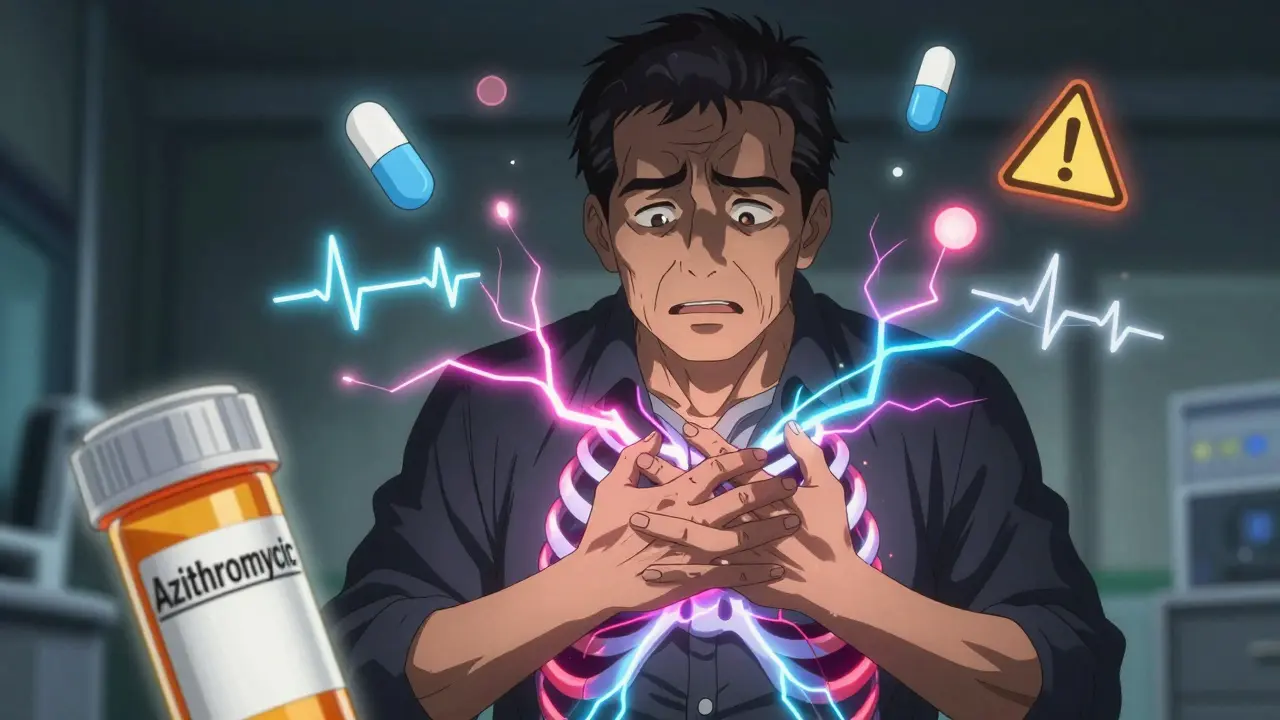
More than 400 common medications can trigger dangerous heart rhythm problems - and many people don’t know it until it’s too late. From antibiotics and antidepressants to heart drugs themselves, something as simple as a prescription refill can set off a chain reaction in your heart. These aren’t rare side effects. They’re real, measurable, and often preventable. If you’ve ever felt your heart skip, race, or pound out of nowhere after starting a new medicine, you’re not imagining it. This is drug-induced arrhythmia - and it’s more common than you think.
What Exactly Is a Drug-Induced Arrhythmia?
An arrhythmia is when your heart beats too fast, too slow, or irregularly. When it’s caused by a medication, it’s called drug-induced arrhythmia. It doesn’t mean the drug is ‘bad’ - it means your body reacts to it in a way that disrupts the electrical signals controlling your heartbeat. This happens because many drugs interfere with tiny channels in heart cells that move potassium, sodium, and calcium in and out. When those signals get mixed up, your heart rhythm goes off track.
The most dangerous type is QT prolongation - a delay in the heart’s electrical reset phase. This can lead to a life-threatening rhythm called torsades de pointes. It’s rare, but it happens. And once it starts, it can turn deadly within minutes. Drugs like azithromycin, levofloxacin, certain antidepressants, and even some antihistamines are known to cause this. Even medicines meant to treat arrhythmias, like flecainide or amiodarone, can make them worse in some people.
Who’s at Highest Risk?
Not everyone who takes these drugs will have problems. But certain people are far more vulnerable. Age is a big factor. About 60-70% of severe cases happen in people over 65. Why? Kidneys slow down with age, so drugs stick around longer. Older adults are also more likely to be on multiple medications - and that’s where the real danger lies.
Combining two or more QT-prolonging drugs can increase your risk by 300-500%. That’s not a typo. Taking an antibiotic with an antidepressant, or a diuretic with a heart medication, can create a perfect storm. Electrolyte imbalances make it worse. Low potassium or magnesium - common in people on water pills or with poor diets - lowers the threshold for arrhythmias. Alcohol does too. More than three drinks a day triples your risk.
Genetics also play a role. About 15% of people of African ancestry carry a gene variant called S1103Y. Around 12% of East Asians carry R1193Q. These variants make heart cells extra sensitive to certain drugs. Right now, routine genetic testing isn’t standard - but it’s coming. Hospitals in the U.S. and Australia are already piloting pre-prescription gene screens for high-risk patients.
Warning Signs You Can’t Ignore
Most people don’t feel a dangerous arrhythmia coming - until it’s too late. But there are signs, and they’re not subtle. If you start a new medication and notice any of these, don’t wait:
- Palpitations - that fluttering, pounding, or racing feeling in your chest (reported in 70-80% of cases)
- Dizziness or lightheadedness - especially when standing up
- Fatigue - unusual tiredness that doesn’t go away
- Chest discomfort - not always sharp pain. Sometimes just pressure or tightness
- Fainting or near-fainting - even one episode is a red flag
These symptoms often show up within the first week of starting a new drug. If you’ve just begun an antibiotic, antidepressant, or new heart medication and feel off - listen to your body. Don’t assume it’s just ‘adjusting.’
Common Medications That Cause Problems
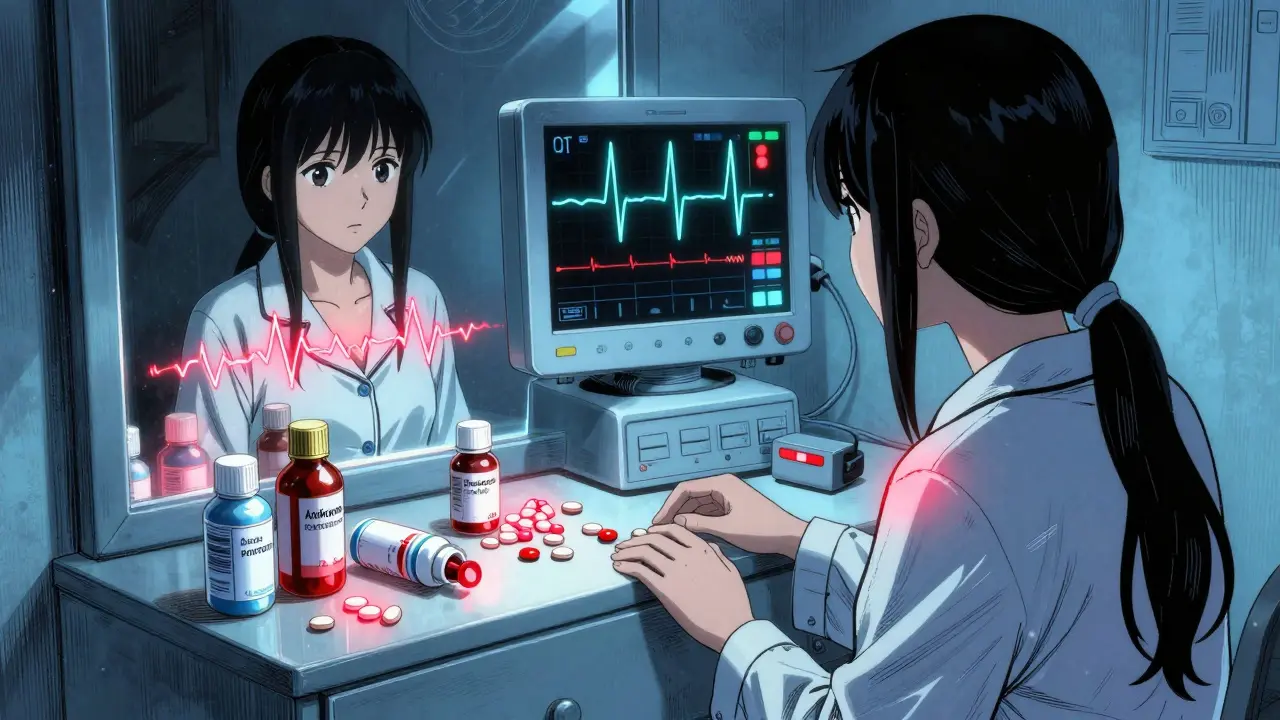
Some of the most widely prescribed drugs carry hidden risks. Here’s who’s most likely to be affected:
- Antibiotics - Macrolides (azithromycin, erythromycin) and fluoroquinolones (levofloxacin, moxifloxacin) prolong QT in 3-5% of users. Risk peaks in the first 7 days.
- Antidepressants - SSRIs like citalopram and escitalopram, and tricyclics like amitriptyline, are linked to arrhythmias, especially at higher doses.
- Antipsychotics - Haloperidol, risperidone, and olanzapine can cause torsades. Often overlooked because they’re used for mental health, not heart issues.
- Anti-nausea drugs - Ondansetron (Zofran) and metoclopramide are common in hospitals and homes - and both carry black box warnings from the FDA.
- Heart drugs - Even antiarrhythmics like amiodarone can cause atrial fibrillation. Beta-blockers like metoprolol can cause dangerously slow heart rates - especially in older adults.
- Diabetes drugs - Some newer GLP-1 agonists have been linked to increased atrial fibrillation risk in clinical trials.
And here’s the kicker: digoxin - a drug used for decades to treat heart failure - can cause dangerous rhythms if blood levels go above 2 ng/mL. That’s easy to happen if you’re dehydrated, have kidney issues, or take other drugs that interfere with its clearance.
How Doctors Manage It
Good news: in 75-85% of cases, stopping or adjusting the medication fixes the problem. But you need to act fast. Here’s what typically happens:
- Stop the trigger - If possible, the doctor will discontinue the drug causing the issue. Sometimes a lower dose works.
- Correct electrolytes - Potassium and magnesium levels are checked and replenished. Targets: potassium above 4.0 mEq/L, magnesium above 2.0 mg/dL.
- Monitor with ECG - A baseline ECG is done before starting high-risk drugs. A repeat ECG within 72 hours catches early changes.
- Switch to safer alternatives - For example, switching from azithromycin to amoxicillin, or from citalopram to sertraline, which has less QT risk.
- Use pacing or ablation if needed - For severe bradycardia from beta-blockers, 10-15% of patients need a pacemaker. Catheter ablation helps in 5-10% of persistent cases.
Only about 2% of cases require surgery. Most are resolved with simple changes - if caught early.

What You Can Do Right Now
You don’t have to wait for a crisis. Here’s how to protect yourself:
- Know your meds - Ask your pharmacist or doctor: ‘Could this cause heart rhythm problems?’ Keep a list of all your drugs - including OTC and supplements.
- Check for interactions - Use tools like Medscape or Epocrates (available free online) to check if your drugs interact. Don’t rely on memory.
- Get a baseline ECG - Especially if you’re over 60, on multiple meds, or have kidney disease. It’s quick, cheap, and could save your life.
- Watch your electrolytes - Eat potassium-rich foods (bananas, spinach, potatoes) and magnesium sources (nuts, seeds, whole grains). Avoid excessive diuretics unless monitored.
- Limit alcohol and caffeine - More than 3 drinks or 400mg of caffeine (about 4 cups of coffee) a day increases risk. For some, even one espresso triggers palpitations.
- Don’t ignore symptoms - If you feel dizzy, faint, or your heart races after a new drug - call your doctor. Don’t wait for your next appointment.
The Future: Personalized Medicine Is Here
Doctors are moving away from ‘one-size-fits-all’ prescribing. New tools are being developed to predict your personal risk before you even take a pill. A clinical decision support tool from the American College of Cardiology, launching in late 2024, will combine your age, kidney function, current meds, and genetic markers to give a personalized arrhythmia risk score.
Genetic testing for S1103Y and R1193Q variants is already available in some hospitals. If you’ve had a drug-induced arrhythmia before, or your family has a history of sudden cardiac events, ask about testing. It’s not routine yet - but it’s becoming more accessible.
Since 2010, the FDA has added black box warnings to 25 drugs for QT prolongation. Eight were added in 2022 alone. That means regulators are paying attention. The goal? Cut severe cases by 30-40% in the next five years through smarter prescribing and better screening.
Final Thought: Your Heart Is Listening
Medications save lives. But they can also harm - sometimes silently. The key isn’t avoiding medicine. It’s being informed. If you’re on any of these drugs, especially in combination, pay attention to your body. Keep a symptom journal. Talk to your doctor. Ask questions. Most drug-induced arrhythmias are preventable. You just need to know what to look for - and when to act.
Can over-the-counter drugs cause heart arrhythmias?
Yes. Some common OTC drugs can trigger arrhythmias. Cold and allergy medicines containing pseudoephedrine or phenylephrine can raise heart rate and blood pressure. Antihistamines like diphenhydramine (Benadryl) can prolong the QT interval, especially in older adults or when taken with other medications. Even some herbal supplements - like ephedra, bitter orange, or licorice root - have been linked to dangerous heart rhythms. Always check labels and talk to your pharmacist before taking anything new.
How long does it take for a drug to cause an arrhythmia?
It can happen as quickly as a few hours after taking the drug - especially with antibiotics like azithromycin or fluoroquinolones. Most cases appear within the first 7 days of starting treatment. But for drugs like amiodarone or digoxin, arrhythmias may take weeks or months to develop. That’s why ongoing monitoring matters, even if you feel fine at first.
Is it safe to stop a medication if I think it’s causing heart problems?
Never stop a prescribed medication on your own - even if you suspect it’s causing problems. Stopping suddenly can be dangerous. For example, stopping a beta-blocker abruptly can cause rebound high blood pressure or worsen heart rhythm. Always contact your doctor first. They may advise you to reduce the dose gradually, switch to a different drug, or run tests to confirm the cause.
Can stress or anxiety mimic drug-induced arrhythmias?
Yes. Anxiety and panic attacks often cause palpitations, dizziness, and chest tightness - symptoms that overlap with arrhythmias. But there’s a difference. Anxiety-related palpitations usually happen during emotional stress and go away when you calm down. Drug-induced arrhythmias can occur at rest, during sleep, or without any obvious trigger. If you’re unsure, an ECG during symptoms is the only way to tell. Don’t assume it’s ‘just anxiety’ - especially if you’ve recently started a new medication.
Are there any natural ways to reduce the risk of drug-induced arrhythmias?
Yes - but they’re supportive, not replacements for medical care. Maintain healthy electrolytes by eating potassium- and magnesium-rich foods. Avoid excessive alcohol and caffeine. Stay hydrated, especially if you’re on diuretics. Exercise regularly - 30 minutes a day improves heart rhythm stability. Manage blood pressure and blood sugar. And get enough sleep - poor sleep increases inflammation and stress hormones, which can trigger arrhythmias. These habits don’t eliminate risk, but they make your heart more resilient.


