
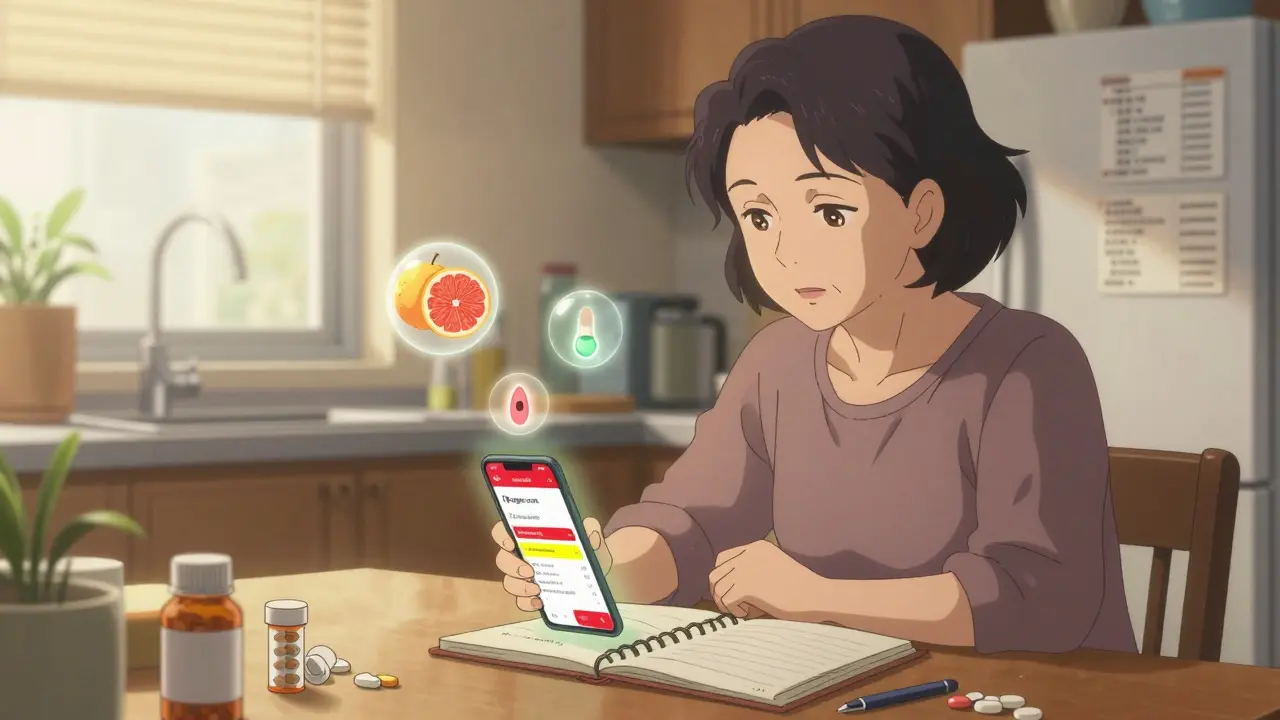
Managing multiple medications at home can be risky. If you’re taking pills for high blood pressure, a sleep aid, a pain reliever, and a supplement like fish oil or St. John’s Wort, you might not realize they’re clashing. Drug interactions don’t always cause immediate symptoms - but they can lead to serious problems like dizziness, fainting, kidney damage, or even life-threatening conditions like serotonin syndrome. The good news? You don’t need to wait for a doctor’s appointment to spot potential dangers. With the right tools and a few simple steps, you can check for drug interactions at home safely - and take control of your medication safety today.
Know What’s in Your Medicine Cabinet
Before you even open a drug interaction checker, you need a complete list of everything you’re taking. This isn’t just your prescription drugs. It includes:- All prescription medications (even ones you take rarely)
- Over-the-counter (OTC) pills - pain relievers, antacids, cold meds, sleep aids
- Vitamins and minerals - especially iron, calcium, vitamin D, and B-complex
- Herbal supplements - St. John’s Wort, ginkgo, garlic, echinacea, turmeric
- Functional foods - grapefruit juice, alcohol, caffeine, high-sodium products
Many people forget about OTC meds. Taking two different cold medicines? Both might contain acetaminophen. That’s a hidden overdose risk. Or maybe you’re using ibuprofen for joint pain while on blood thinners - a combo that can cause internal bleeding. The drug interaction checker is only as good as the data you put in. Write down the name, dose, and why you take each item. If you’re unsure what’s in a product, check the label for the active ingredients. For example, NyQuil and DayQuil both contain dextromethorphan - taking them together doubles the dose.
Use a Trusted Drug Interaction Checker
There are dozens of apps and websites that claim to check for drug interactions. But not all are reliable. Stick to tools backed by medical databases and updated regularly. Here are the three most trusted options:| Tool | Database Size | Key Strength | Best For |
|---|---|---|---|
| Drugs.com Interaction Checker | 80,000+ interactions | Most comprehensive database | Users with complex regimens |
| WebMD Drug Interaction Checker | 18,000+ prescription drugs | Simple, visual severity ratings | Beginners and seniors |
| GoodRx Interaction Checker | Includes cost alternatives | Shows safer, cheaper options | Cost-conscious users |
Drugs.com is the most thorough. It flags interactions between prescription drugs, OTC meds, and 3,000+ supplements. WebMD is easier to use - it uses color codes (red = major, yellow = moderate, green = minor) and explains risks in plain language. GoodRx adds a smart twist: if it finds a dangerous combo, it often suggests a safer alternative that costs less. All three are free and work on any phone or browser. Just enter each medication one by one. Don’t skip supplements - St. John’s Wort can make birth control, antidepressants, and blood thinners fail.
Understand the Severity Levels
Not all interactions are equal. A red alert doesn’t mean stop taking your meds - it means you need to talk to a pharmacist or doctor right away. Here’s what each level means:- Major (15% of flagged interactions): Could cause organ damage, hospitalization, or death. Examples: warfarin + ibuprofen (bleeding risk), sertraline + St. John’s Wort (serotonin syndrome), statins + grapefruit (kidney failure).
- Moderate (60%): May reduce drug effectiveness or cause side effects like dizziness, nausea, or low blood pressure. Examples: antacids + thyroid meds (reduced absorption), alcohol + benzodiazepines (slowed breathing).
- Minor (25%): Usually harmless. Might cause mild stomach upset or dry mouth. Still worth noting - especially if you’re sensitive.
One common mistake is ignoring moderate interactions. They’re not emergencies, but they add up. If you’re on three moderate-risk drugs, the combined effect can be serious. For example, taking lisinopril (blood pressure), hydrochlorothiazide (water pill), and potassium supplements might seem fine - but together, they can spike potassium to dangerous levels. Always review every flagged interaction, even if it’s labeled "minor."
Don’t Rely on These Tools Alone
Drug interaction checkers are powerful, but they’re not perfect. They miss things. Studies show they catch about 70-80% of dangerous interactions - not 100%. Here’s why:- They don’t know your full medical history - like kidney disease or liver problems
- They can’t predict how your body metabolizes drugs (genetics matter)
- They don’t include brand-new drugs or rare interactions (like a 2023 cancer drug combo that wasn’t in any database)
- False positives happen. About 18% of alerts are unnecessary - but you can’t tell which ones
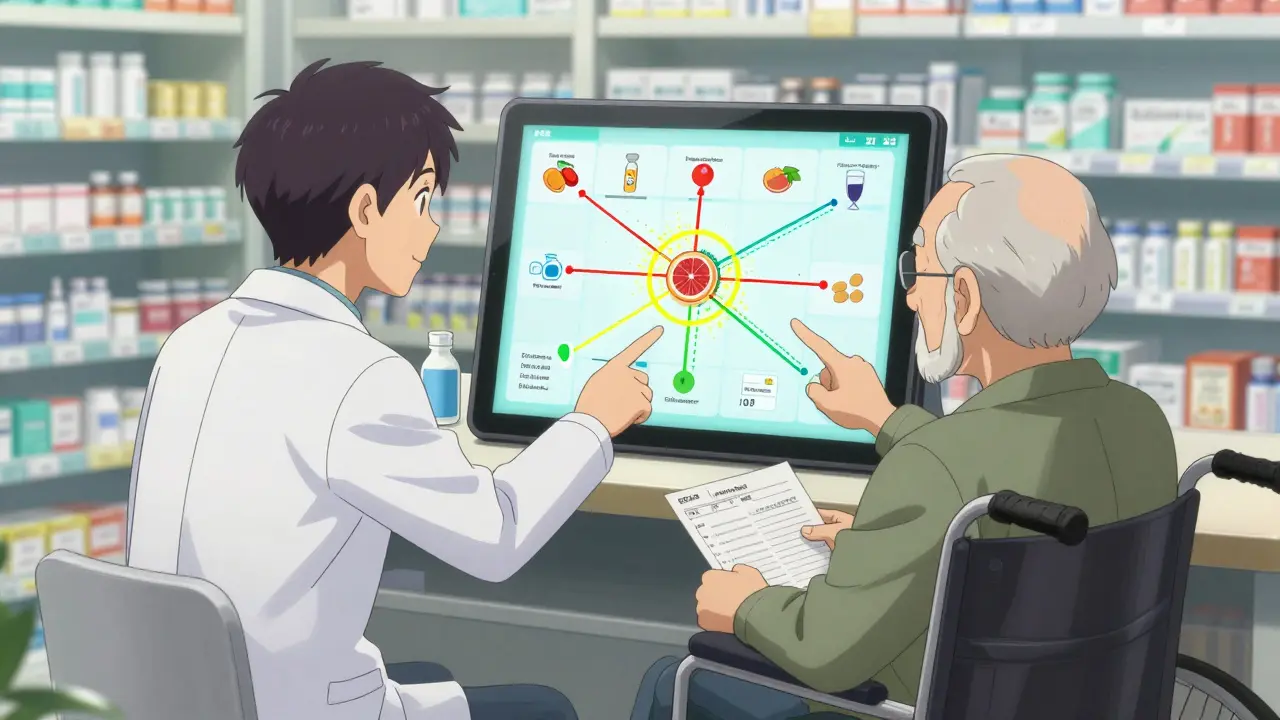
That’s why the CDC and the American Pharmacists Association both say: use these tools as conversation starters, not final answers. If a checker flags something, don’t panic. Don’t stop your meds. Take the report to your pharmacist or doctor. They can look at your full profile - your age, weight, other conditions, lab results - and tell you if the risk is real.
Real-Life Successes (and Mistakes)
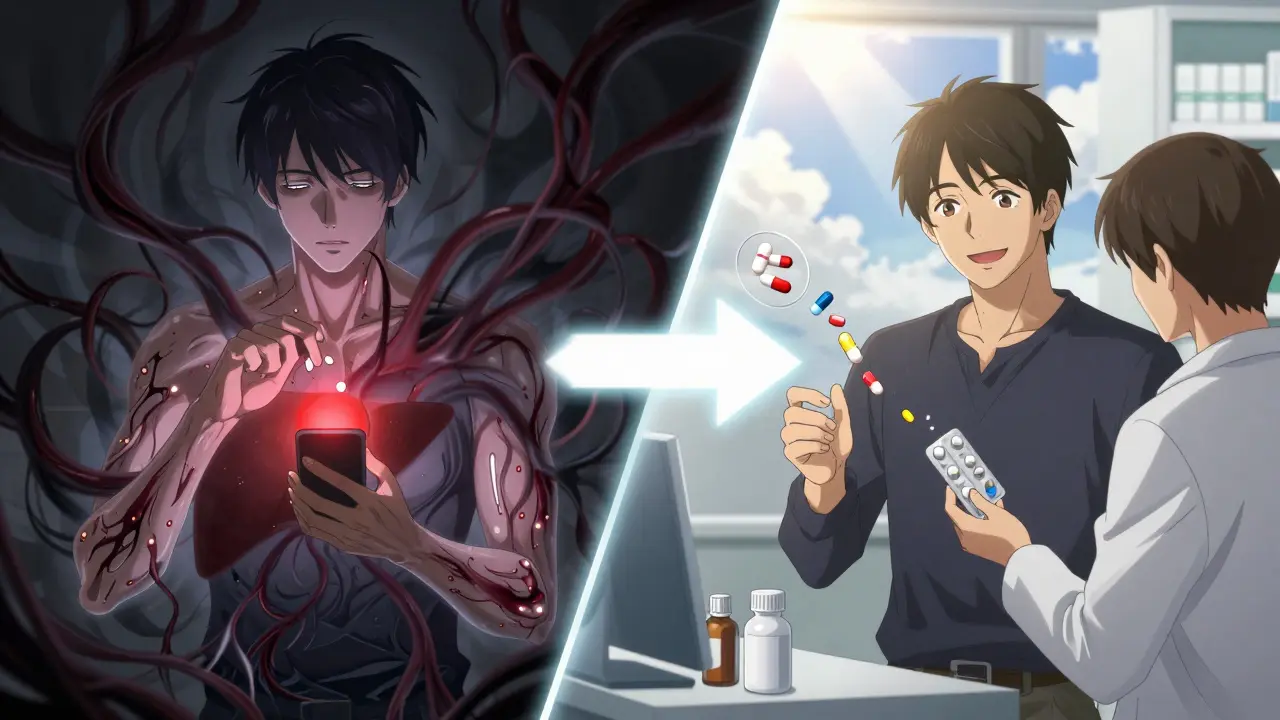
People have used these tools to avoid hospital trips. One 68-year-old woman in Ohio was taking sertraline for depression and daily St. John’s Wort for anxiety. Her interaction checker flagged a major risk: serotonin syndrome. She showed the report to her doctor. They switched her to a safer herb. No more dizziness. No ER visit.But there are failures too. A man in Florida took amiodarone (heart drug) and a new turmeric supplement. His checker didn’t flag it - because the interaction was too new. He ended up with liver damage. Another user stopped his blood thinner after a false alert on WebMD. He had a stroke two weeks later. These stories show why professional advice still matters.
Make It a Habit
Checking for drug interactions once isn’t enough. Your meds change. Your body changes. You start a new supplement. You pick up a cold medicine. Here’s how to keep it safe:- Update your list every 30 days - or anytime you start, stop, or change a medication
- Use one pharmacy for all your prescriptions. They track everything and flag interactions automatically
- Download a medication app like Medisafe. It scans barcodes on pill bottles, reminds you when to take pills, and syncs with your interaction checker
- Keep a printed copy of your list in your wallet. Paramedics need it in an emergency
And if you’re over 65 and taking five or more drugs? You’re in the highest-risk group. The CDC says 40% of seniors in this category face interaction risks. Don’t wait for a problem to happen. Do the check. Talk to your pharmacist. Ask: "Is this combo safe for me?"
What to Do If You Find a Problem
If your interaction checker flags a major or moderate risk:- Don’t stop any medication without talking to a professional
- Call your pharmacist - they’re trained to handle this
- If you can’t reach them, call your doctor or go to urgent care
- Bring your printed report or show the app on your phone
- Ask: "Is there a safer alternative?" or "Can we adjust the dose?"
Pharmacists can often switch you to a different drug in the same class. For example, if you’re on simvastatin (a statin) and grapefruit juice is a problem, they might switch you to rosuvastatin - which doesn’t interact with citrus. That’s the kind of fix you won’t get from an app alone.
Can I use a drug interaction checker if I’m pregnant?
Yes - but only use tools that specifically include pregnancy safety data. Drugs.com and WebMD both have pregnancy categories for medications. Still, never rely on an app alone. Always consult your OB-GYN or a maternal-fetal pharmacist. Some interactions can affect fetal development, even if they’re mild for adults.
Are free drug interaction checkers reliable?
The top free tools - Drugs.com, WebMD, GoodRx - are reliable because they use licensed medical databases updated daily. But avoid random apps from unknown developers. The FDA warned about 17 fraudulent interaction checkers in 2022. Stick to names you recognize from hospitals or pharmacies.
Do drug interaction checkers work for herbal supplements?
Yes - but only if the tool includes supplements. Drugs.com covers over 3,000 herbal and natural products. WebMD covers fewer, so you might miss some. St. John’s Wort, ginkgo, garlic, and echinacea are common culprits. They can interfere with antidepressants, blood thinners, and even anesthesia. Always list them.
What if my doctor says it’s fine but the checker says no?
Ask your doctor to explain why. Sometimes they’ve seen you for years and know your body reacts differently. But if they can’t give a clear reason, get a second opinion from a pharmacist. Pharmacists specialize in drug interactions and often catch things doctors miss. You have the right to ask for clarification.
Can I use these tools for my elderly parent?
Absolutely - and you should. Seniors often take 5-10 medications daily. That’s a high-risk scenario. Use the checker together. Help them input the list. Many older adults don’t know the difference between brand and generic names. A simple tool like WebMD with color-coded alerts can make a huge difference in preventing hospital stays.


