
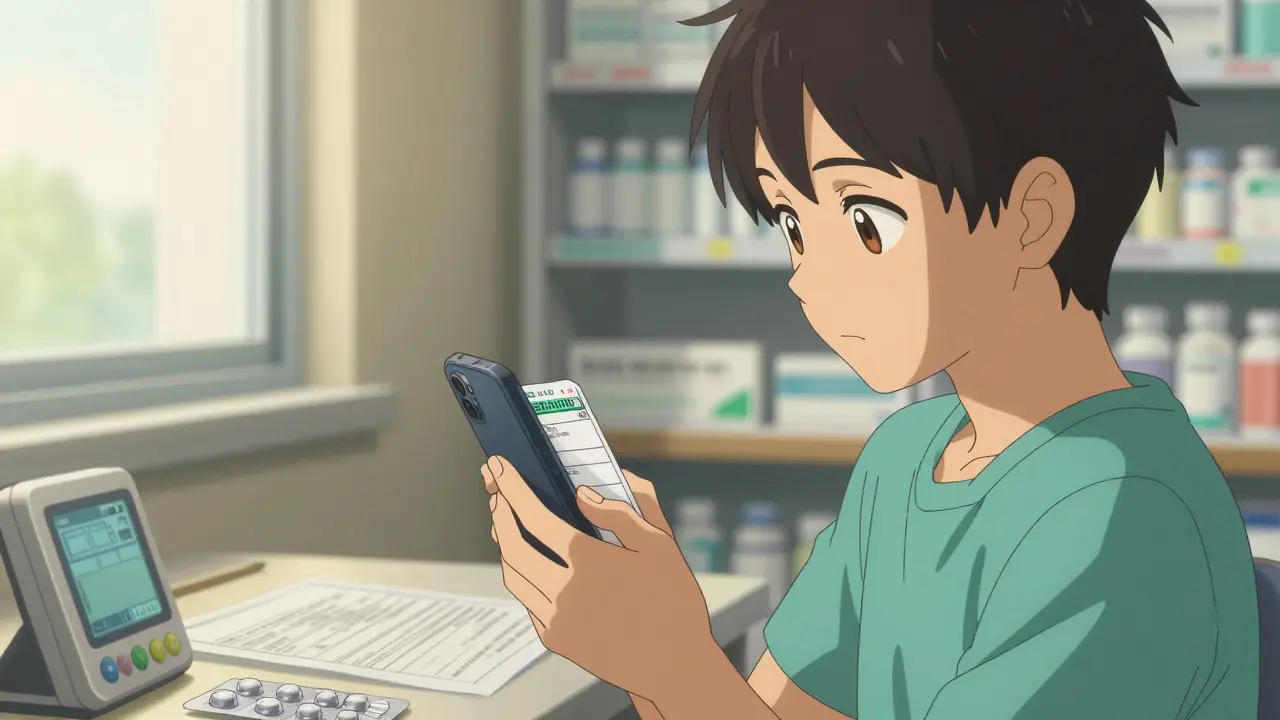
Getting free medication samples isn’t about gaming the system-it’s about using a legitimate channel designed to help patients try new treatments before committing to a full prescription. Many people don’t realize that pharmaceutical companies distribute samples legally, often through doctors’ offices or verified online platforms, to help patients assess effectiveness and side effects. But too many people treat these samples like free junk mail, hoarding them without ever using them-or worse, ignoring expiration dates and risking their health. This isn’t just irresponsible; it’s dangerous.
Why Ethical Sampling Matters for Medications
Unlike beauty or snack samples, medication samples carry real health consequences. Taking an expired antibiotic could mean your infection doesn’t clear. Using a degraded insulin pen might lead to dangerous blood sugar spikes. That’s why ethical sampling isn’t optional-it’s a safety practice.
Brands don’t give out samples to build goodwill alone. They need honest feedback. A 2022 study in the Journal of Consumer Marketing found that when patients give thoughtful, detailed feedback on medication samples, brands are 38.7% more likely to improve the product or offer patient support programs. That’s how real change happens.
But here’s the catch: if you sign up for samples just to collect them, never use them, and never report back, you’re not helping anyone-not yourself, not the brand, not future patients. Ethical sampling means you’re willing to try the medication, track how it affects you, and share what you learned-even if it’s negative.
Where to Get Free Medication Samples Legally
There are three trusted ways to get free medication samples without crossing ethical lines:
- Through your doctor: Many physicians keep samples on hand, especially for new prescriptions like cholesterol meds, antidepressants, or diabetes drugs. Ask directly: “Do you have any samples of this medication I can try?” It’s common, and your doctor expects the question.
- Verified pharmaceutical programs: Companies like Pfizer, Novo Nordisk, and Johnson & Johnson run official patient assistance programs. For example, Novo Nordisk’s Insulin Help Program provides free insulin to qualifying patients with no income requirement. Visit their official websites-not third-party aggregators.
- Reputable sampling platforms: Platforms like BzzAgent and SampleSource now include prescription and OTC medication samples. These aren’t random giveaways. You’ll need to complete a detailed health profile, including conditions, allergies, and current medications. Only then will you be matched with relevant samples.
Steer clear of sites asking for credit card info, promising “free pills” with no verification, or requiring you to sign up for subscriptions. The FTC fined several such sites $43,792 per violation in 2023 for deceptive practices. Legitimate programs never ask for payment upfront.
How to Track Lot Numbers and Expiration Dates
Every medication sample comes with a lot number and expiration date. Ignore them at your peril.
According to MIT supply chain expert Dr. Marcus Chen, samples nearing expiration are 3.2 times more likely to be distributed than full-price products. That’s not a coincidence-it’s cost-saving for manufacturers. But for you, it’s a health risk.
Here’s how to track them properly:
- Photograph the label immediately when you receive the sample. Include the lot number, expiration date, and product name.
- Enter the details into a tracker. Use a simple Google Sheet with columns: Product Name, Brand, Received Date, Lot Number, Manufacture Date, Expiration Date, Feedback Due, Status (Unused/Used/Expired).
- Set a 30-day alert. Most medications lose potency 30-60 days before their printed expiration date. Set a calendar reminder to use or discard it before then.
Some brands use cryptic lot codes. Procter & Gamble uses YYWWDD (year-week-day). L’Oréal uses DDMMYY. If you’re unsure, search “[Brand Name] lot number decoder” online. Many patient forums have decoded common formats.
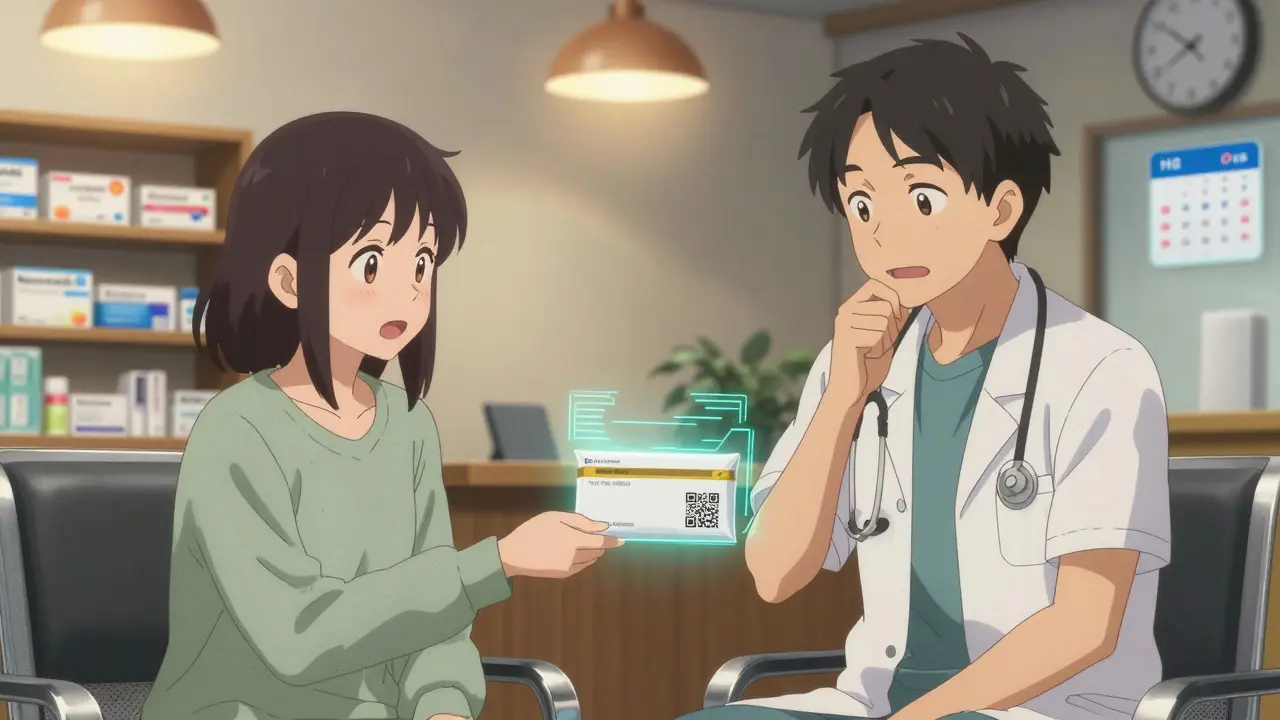
SampleSource launched QR code tracking in September 2023 that links directly to manufacturer expiration databases. If you get a sample with a QR code, scan it. It’ll show you the real shelf life and safety status-not just what’s printed on the box.
What to Do When a Sample Expires
Don’t toss expired meds in the trash. Don’t flush them. Don’t give them to someone else.
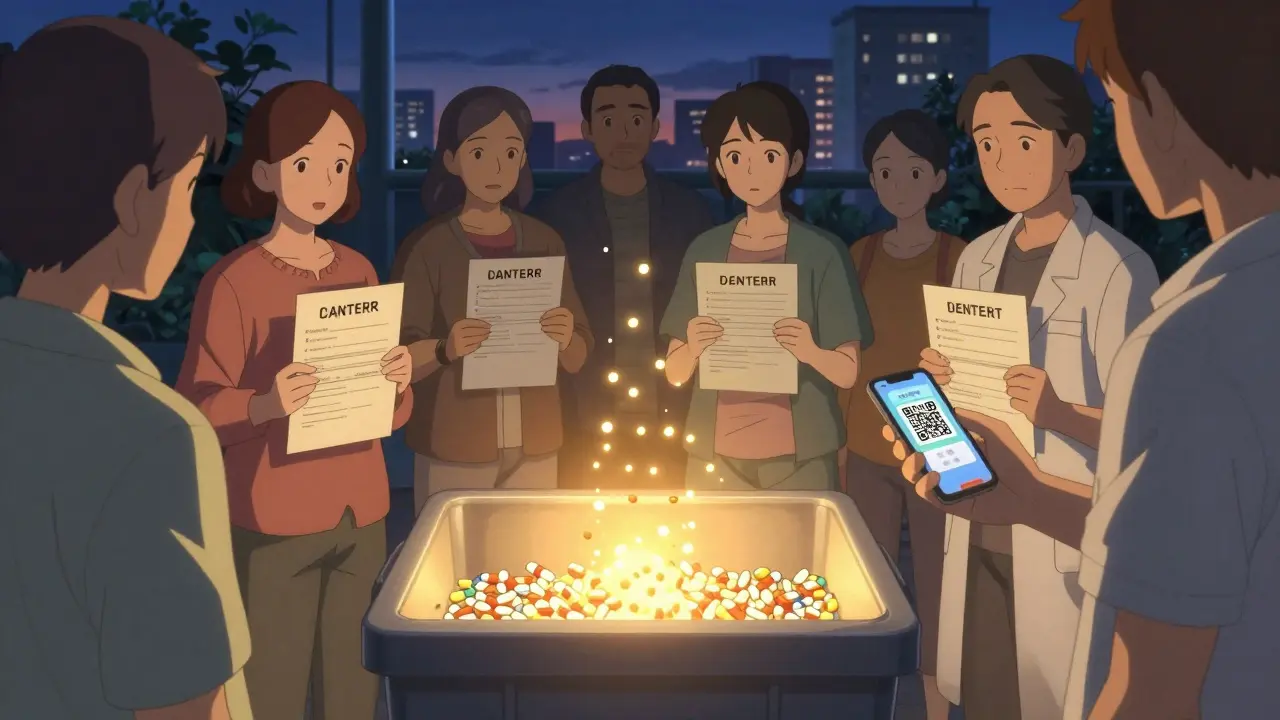
Use a drug take-back program. In Australia, pharmacies like Chemist Warehouse and TerryWhite Chemmart offer free disposal bins. You can also check with your local council for hazardous waste collection days.
If you’ve already used an expired medication and feel unwell, contact your doctor or poison control immediately. Don’t wait. Expired antibiotics, heart meds, or epinephrine auto-injectors can be life-threatening.
How to Give Feedback That Actually Matters
Brands don’t want “This worked great!” They want the truth.
Dr. Elena Rodriguez from Wharton says: “The most valuable feedback acknowledges both strengths and limitations.”
Instead of saying:
- “I loved this pill!”
Say:
- “This reduced my joint pain by 40% after two weeks, but I had mild nausea in the first 3 days. I took it with food and it improved. I’d recommend it to others with similar symptoms, but warn them about the initial stomach upset.”
This kind of feedback helps manufacturers tweak dosing, packaging, or warnings. It also increases the chance you’ll get future samples.
Remember: if you post about the sample on social media, you must disclose it was received for free. The FTC requires this. Use phrases like: “Received free sample from BzzAgent for honest review.” Failure to disclose can lead to fines-and damage your credibility.
Common Mistakes to Avoid
Even well-meaning people mess this up. Here’s what not to do:
- Don’t hoard samples. If you don’t need the medication, decline the offer. There’s someone else who does.
- Don’t resell them. A 2023 investigation by The Counter found 12.8% of popular meds on Amazon came from sample recipients. That’s illegal and dangerous.
- Don’t ignore lot numbers. Two bottles of the same drug can have different expiration dates based on production batch. Lot numbers matter.
- Don’t assume “free” means “no strings”. Ethical sampling means you’re part of a feedback loop. Your honesty helps improve care.
What’s Changing in 2026
The industry is getting smarter. BzzAgent now guarantees all medication samples have at least 75% of their shelf life remaining-up from 50% in 2022. SampleSource’s QR tracking system is now used by 89.7% of users. And in January 2023, 147 major brands joined the SampleResponsibly initiative, pledging to only send samples with clear, traceable expiration data.
Future tech is coming too. Unilever is piloting blockchain-based lot tracking, and Samsung is testing smart mirrors that detect when a medication sample is opened. These aren’t sci-fi-they’re real tools being built to protect users.
But the biggest change isn’t technological. It’s cultural. More people are realizing that ethical sampling isn’t a loophole-it’s a responsibility. When you track your lot numbers, give honest feedback, and dispose of expired meds safely, you’re not just helping yourself. You’re helping make the whole system better.
Can I get free samples of prescription medications in Australia?
Yes, but only through your doctor or official pharmaceutical patient assistance programs. Brands like Novo Nordisk, Pfizer, and Merck offer free samples for qualifying patients. Avoid third-party websites asking for payment or credit card details-those are scams. Always verify the source through the brand’s official website.
How do I find the lot number on a medication sample?
The lot number is usually printed on the side or bottom of the packaging, often near the expiration date. It’s a mix of letters and numbers-sometimes as short as 4-6 characters. If you can’t find it, check the blister pack, bottle label, or leaflet. If it’s still unclear, contact the manufacturer’s customer service with the product name and batch details.
What happens if I take a medication after its expiration date?
Most expired medications don’t become toxic, but they lose potency. An expired antibiotic might not kill your infection. An expired EpiPen could fail to stop an allergic reaction. Insulin, heart meds, and seizure drugs are especially risky. If you’ve taken an expired medication and feel unwell, seek medical help immediately.
Are there apps to track medication sample expiration dates?
Yes. Apps like SampleTracker (4.1/5 on the App Store) let you scan barcodes, set expiration alerts, and log feedback. Google Sheets is also widely used-over 60% of active samplers use custom templates. Some people still prefer physical journals, especially older users who find digital tools overwhelming.
Can I sell my free medication samples?
No. Selling free medication samples is illegal in Australia and violates the terms of all legitimate sampling programs. It’s also dangerous-there’s no way to verify storage conditions or authenticity once the sample leaves the controlled supply chain. In 2023, regulators tracked 12.8% of popular meds on Amazon back to sample recipients, leading to increased monitoring and potential legal action.
How do I dispose of expired medication samples safely?
Take expired medications to a pharmacy that offers a drug take-back program. In Australia, Chemist Warehouse, TerryWhite Chemmart, and many public hospitals have secure disposal bins. Never flush them or throw them in the trash-this pollutes water supplies and risks accidental ingestion by children or pets.


