
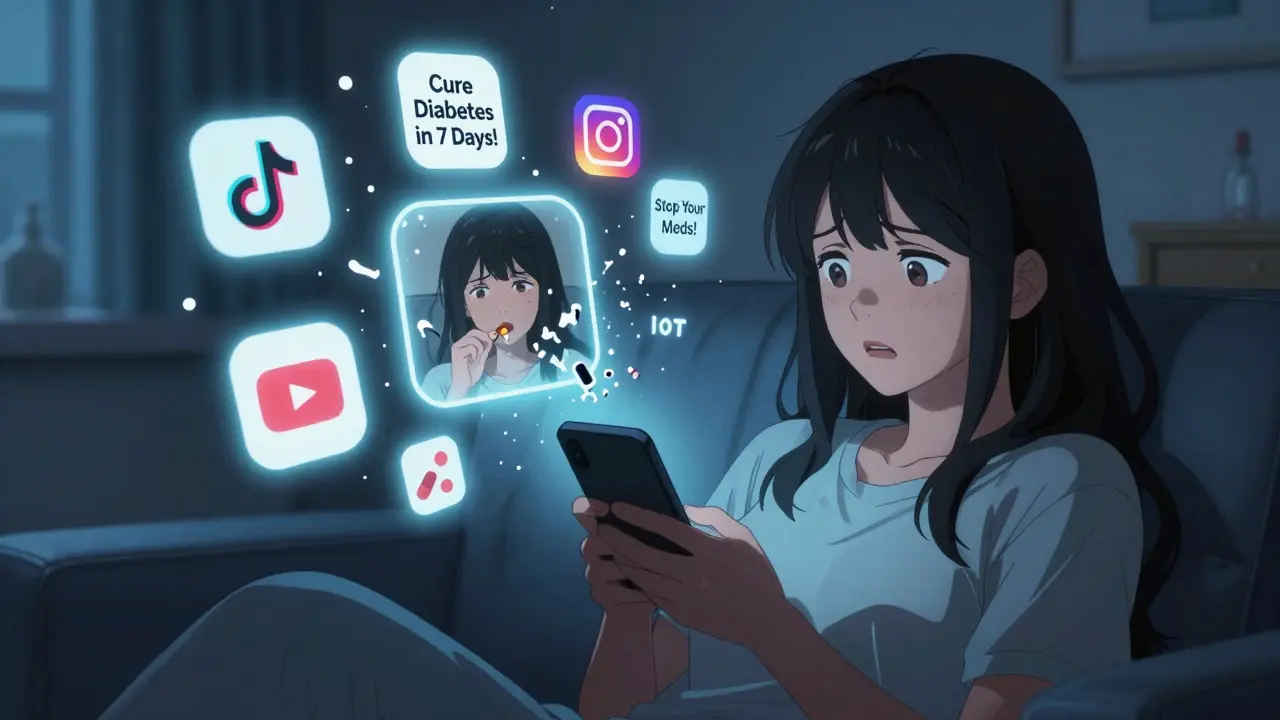
Every day, millions of people scroll through TikTok, Instagram, and YouTube looking for health tips. Someone swears apple cider vinegar cures migraines. A fitness influencer claims a new supplement boosts metabolism overnight. A stranger on Facebook says they stopped their blood pressure meds after watching a video. It sounds simple. Maybe even helpful. But unsafe medication advice on social media isn’t just misleading-it’s dangerous.
According to the CDC, nearly 60% of Americans turn to the internet for health info. During the pandemic, that number spiked. And with it came a flood of false claims, miracle cures, and dangerous shortcuts. The World Health Organization called it an “infodemic”-a wave of misinformation as contagious as the virus itself. And it’s still here. People are skipping prescriptions, mixing unsafe supplements, or quitting meds based on a 60-second clip. The result? Hospital visits, drug interactions, and even deaths that could have been avoided.
Who’s Really Giving This Advice?
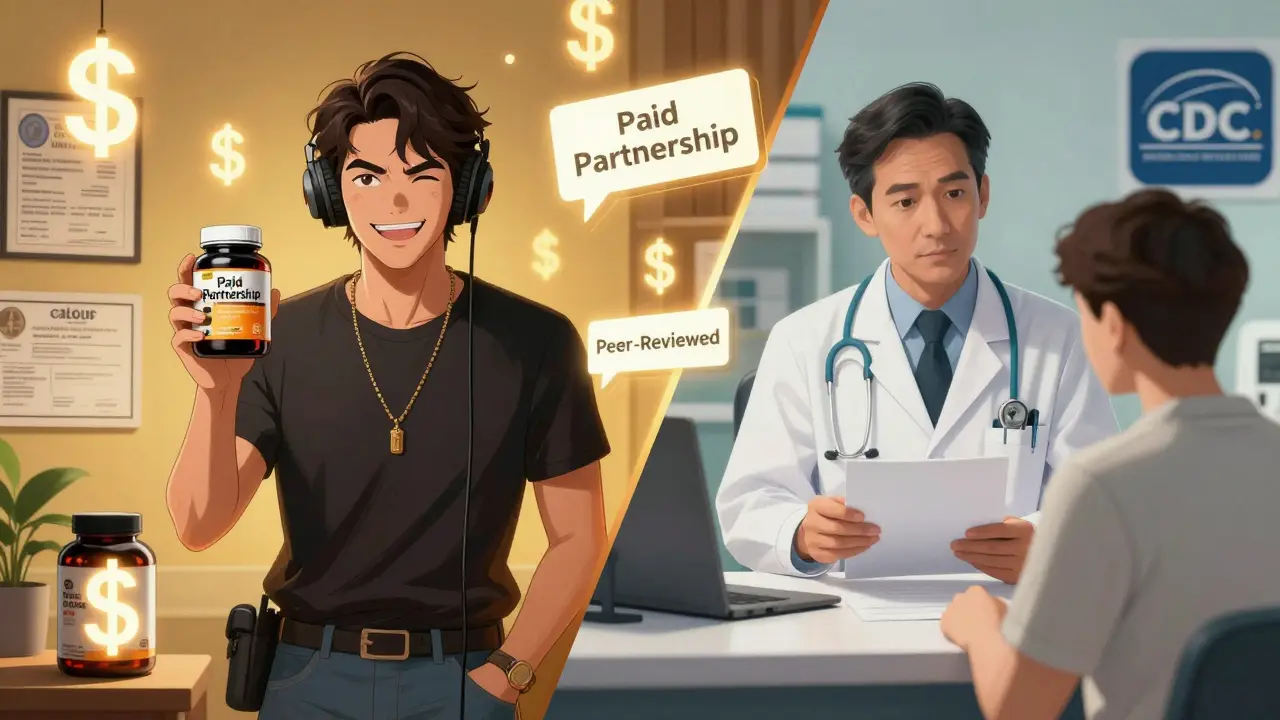
Not all health advice on social media comes from doctors. Most of it comes from people with no medical training at all. You might see a “wellness coach,” a “natural healer,” or a TikTok influencer with 500K followers. They don’t need a license. They don’t need to prove anything. And they’re often paid to push products.
Healthline reports that many influencers have partnerships with supplement brands, weight-loss programs, or online pharmacies. Their posts aren’t about helping you-they’re about selling you something. That’s not advice. That’s advertising dressed up as a personal story.
Ask yourself: Does this person have a medical degree? Are they licensed to prescribe? Do they work in a hospital or clinic? If the answer is no, treat everything they say as a promotional pitch-not medical guidance.
Red Flags That Mean Danger
Not all bad advice looks obvious. Here are the most common warning signs:
- Miracle cures - “This one herb fixes everything.” “Cure your diabetes in 7 days.” If it sounds too good to be true, it is. Real medicine doesn’t work that way.
- Secret information - “Doctors don’t want you to know this.” “Big Pharma is hiding the truth.” This is a classic tactic to create distrust. Legitimate science doesn’t hide findings. It publishes them in peer-reviewed journals.
- One-size-fits-all advice - “Everyone should take this.” “I took it and it worked, so you should too.” Medicine isn’t a recipe. What helps one person can harm another. Your age, weight, other meds, allergies, and health conditions matter.
- Urgency and fear - “If you don’t do this now, you’ll get cancer.” “Your doctor is lying to you.” Fear pushes people to act without thinking. Real healthcare professionals don’t scare you into decisions.
- Product promotion - Every post ends with a link to buy something. If the advice is tied to a product, it’s not advice-it’s marketing.
The UNMC Health Security Transmission article says it plainly: “If you can’t find the same claim in reputable medical sources, it’s likely misinformation.” That’s your first test.
How Algorithms Make It Worse
Why does this stuff keep showing up? Because the algorithm wants you to keep watching.
Social media platforms don’t care if your health is at risk. They care about clicks, shares, and time spent. If you watch a video about “natural thyroid cures,” the algorithm will feed you more of the same. Soon, you’re stuck in a loop of misinformation. You start believing it because you keep seeing it.
Research from the University of Denmark shows people who believe in certain health ideas-like anti-vaccine views-end up seeing only content that matches their beliefs. They never see the truth. That’s called an echo chamber. And it’s designed to keep you hooked, not informed.
And it’s worst for teens. A 2023 study in JAMA Pediatrics found that adolescents are especially vulnerable. Their brains are still learning how to judge credibility. They trust influencers more than doctors. And they’re more likely to act on what they see online.
How to Verify Anything You See
You don’t have to be a doctor to spot bad advice. You just need to know where to look.
Here’s a simple three-step check:
- Check the source - Who said this? Google their name. Are they a licensed pharmacist, doctor, or researcher? Or are they a model with a supplement line? Look for credentials. MD, PharmD, RN, PhD-these mean something. “Wellness expert” doesn’t.
- Check the claim - Go to trusted sources. The CDC, FDA, Mayo Clinic, WebMD, or peer-reviewed journals like the New England Journal of Medicine. If the same claim isn’t there, it’s likely false. Don’t trust one blog or YouTube video. Look for at least three reliable sources that agree.
- Check the motive - Is there a link to buy something? Is the post sponsored? Does it say “paid partnership”? If yes, walk away. Even if the advice sounds right, the motive is wrong.
Healthline calls this “pre-bunking.” It means learning the truth before you see the lie. Follow accounts from real medical institutions: @CDCgov, @FDAgov, @MayoClinic, @WHO. They don’t sell pills. They don’t hype trends. They give facts.
Real Cases, Real Harm
This isn’t theoretical. People are getting hurt.
A 2023 study in PubMed found that social media posts about unsafe medication use during pregnancy led to real cases of fetal harm. Another study showed teens were taking high doses of melatonin because of TikTok videos-leading to dizziness, nausea, and even hallucinations.
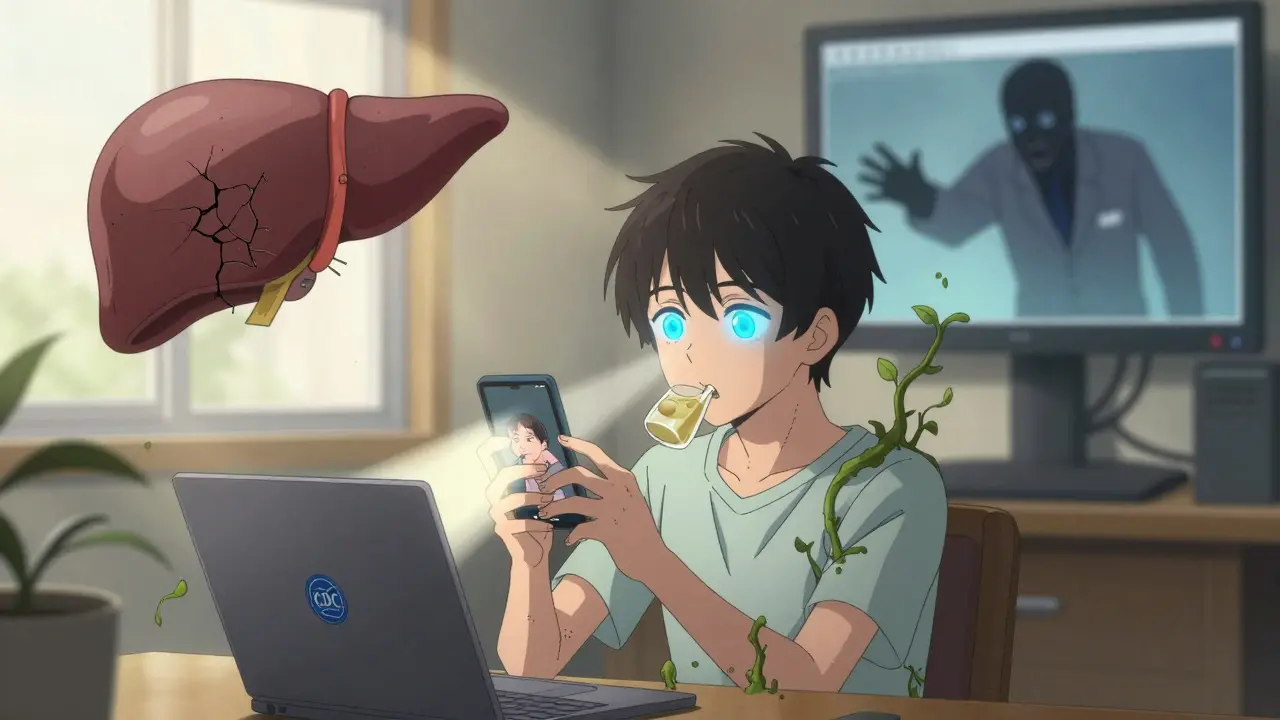
One woman in Texas quit her antidepressants after watching a video claiming “natural sunlight alone can cure depression.” She ended up in the ER. A man in Florida started taking unregulated “immune boosters” he saw on Instagram. He developed liver failure.
And it’s not just about pills. Viral trends like drinking apple cider vinegar daily, sleeping with tape over your mouth, or eating only meat (carnivore diet) have led to real medical problems. None of these are backed by science. But they’re everywhere.
What You Should Do Instead
Don’t delete social media. But do change how you use it.
- Pause before sharing. If a post makes you feel urgent, scared, or excited, stop. Verify it first.
- Ask your doctor. Always. No matter how simple the advice seems. “Is this safe for me?” is the most important question you can ask.
- Teach others. If you see a friend sharing dangerous advice, send them a link to the CDC or FDA page. Don’t argue. Just share the truth.
- Report it. Most platforms have a “report misinformation” button. Use it. Every report helps.
The Baton Rouge Clinic says it clearly: “Always consult a qualified health professional before trying any new treatment.” That’s not a suggestion. It’s the rule.
You’re Not Alone
It’s easy to feel like you’re the only one who doesn’t know what’s real. But you’re not. Millions of people are confused. That’s why this problem keeps growing.
But you can be part of the solution. By learning how to spot bad advice, you protect yourself-and you protect others. When you don’t share false claims, you break the cycle. When you ask your doctor, you set an example. When you report misinformation, you help make the platform safer.
Medication safety isn’t about being perfect. It’s about being careful. One verified post, one honest conversation, one question asked to a real doctor-that’s how you win.
Can social media influencers legally give medical advice?
No, it’s illegal for licensed healthcare professionals to give medical advice to people who aren’t their patients. But unlicensed influencers-like fitness coaches or beauty bloggers-can say anything they want. There’s no law stopping them from claiming they can cure diseases. That’s why it’s so dangerous. Just because someone has a big following doesn’t mean they’re qualified.
What should I do if I already followed bad advice?
Stop immediately. Don’t wait for symptoms. Call your doctor or pharmacist and tell them exactly what you took or did. They can check for interactions, side effects, or risks. Even if you feel fine now, some effects show up days or weeks later. It’s better to be safe than sorry.
Are all supplements unsafe?
Not all supplements are unsafe, but most social media promotions for them are. Many supplements aren’t tested for safety or effectiveness before being sold. The FDA doesn’t approve them like prescription drugs. A supplement that works for one person might cause liver damage in another. Always check with your doctor before taking anything new-even if it’s labeled “natural.”
How can I help my teen avoid bad health advice online?
Talk to them. Don’t just warn-ask what they’ve seen. Show them how to check sources. Use the three-step verification method: Who said it? Is it on a trusted site? Is there a product being sold? Encourage them to follow official health accounts like CDC or Mayo Clinic. Studies show that teens who learn media literacy skills are less likely to believe or share misinformation.
Why do doctors say “don’t trust social media” so often?
Because social media rewards emotion, not accuracy. A video screaming “CURE YOUR DIABETES!” gets more views than a 10-minute explanation about insulin management. Doctors see the damage this causes-patients showing up with dangerous side effects, skipped medications, or wrong diagnoses. They’re not trying to scare you. They’re trying to protect you from what’s out there.
Next Steps
If you’re unsure about a health trend you saw online:
- Bookmark the CDC and FDA websites.
- Save a list of 3 trusted medical sources you can check quickly.
- Set a rule: never change your meds or start a new supplement without talking to your doctor first.
- Unfollow accounts that push quick fixes or miracle cures.
- Follow @CDCgov, @FDAgov, or your local hospital’s official account.
Medication safety isn’t about avoiding the internet. It’s about using it wisely. You don’t need to be an expert. You just need to ask one question before you act: Is this backed by real science-or just a click?


