
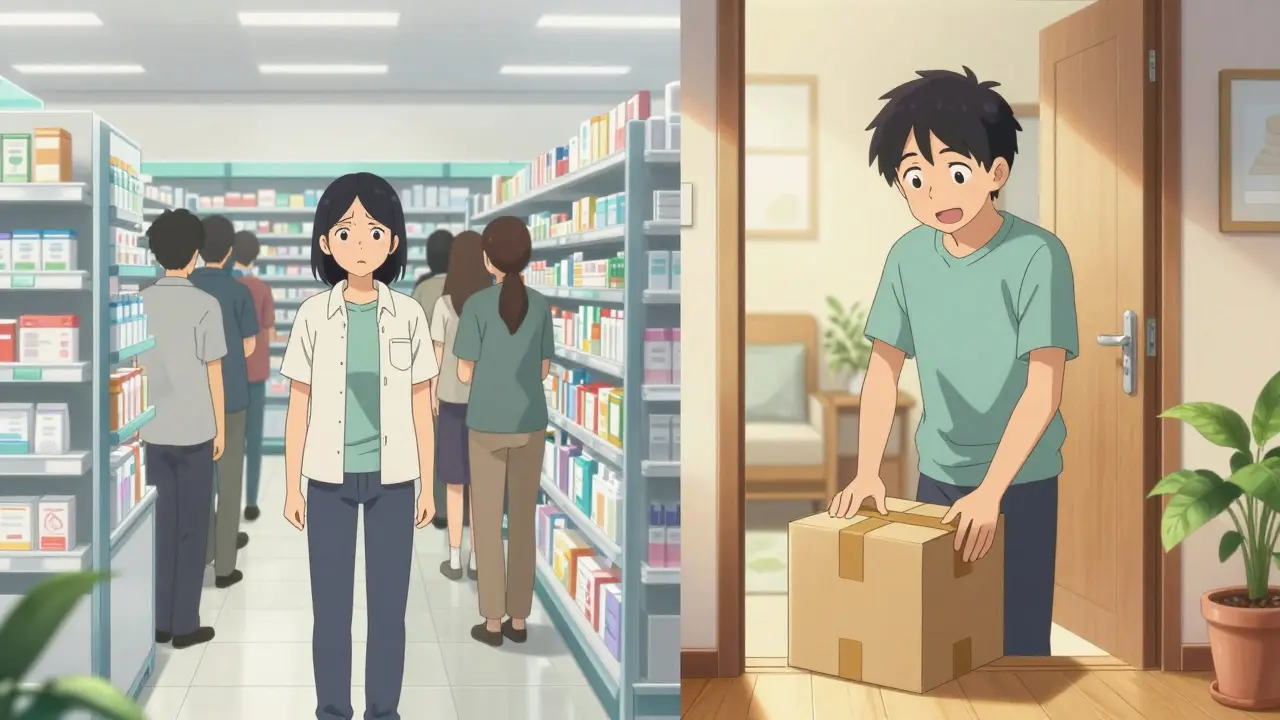
Forget the long lines at the drugstore and the frustration of hearing "it's not ready yet" when you've already driven across town. For millions of people, especially those managing long-term health issues, the local pharmacy trip is a chore that sometimes gets skipped. When you miss a dose because you couldn't get to the store, your health takes a hit. That's where pharmacy delivery and mail-order services step in, turning a monthly errand into a package on your doorstep.
Whether you're dealing with mobility issues, living in a "pharmacy desert" where the nearest store is miles away, or you're just tired of the commute, switching to a delivery model can change your daily routine. It isn't just about convenience; it's about making sure you actually take your medicine as prescribed. Let's look at how these services work and how to make the switch without any gaps in your treatment.
The Basics: Mail-Order vs. Local Delivery
Before jumping in, it's helpful to understand that not all "delivery" is the same. You generally have two choices: local pharmacy delivery and true mail-order services.
Local delivery is usually a courier from your neighborhood pharmacy bringing your meds to your house. It's great for a quick turnaround, but you're still dealing with a retail setup. On the other hand, Mail-Order Pharmacy is a centralized distribution model where prescriptions are filled at a large-scale facility and shipped via mail directly to the patient. These are often managed by Pharmacy Benefit Managers (PBMs) like Express Scripts or CVS Caremark.
The biggest difference is the volume. While your local pharmacy gives you a 30-day supply, mail-order services typically ship a 90-day supply. This means fewer shipments, fewer copays, and way less paperwork over the course of a year.
Why the Switch Actually Matters for Your Health
It might seem like a luxury, but the data shows that convenience directly impacts survival and recovery rates. This is known as Medication Adherence, which is simply the act of taking your meds exactly how your doctor told you to. According to data from Blue Cross NC, patients using 90-day mail-order prescriptions show an 82% adherence rate, compared to only 52% for those using traditional 30-day retail fills.
Why the massive gap? It's simple: there are fewer "failure points." You don't have to remember to call the pharmacy every month, you don't have to find a parking spot, and you don't have to wait in line. For someone managing chronic conditions like diabetes, hypertension, or high cholesterol, that 30% increase in adherence can be the difference between staying healthy and ending up in the emergency room.
| Feature | Mail-Order Pharmacy | Retail Pharmacy |
|---|---|---|
| Typical Supply | 90 Days | 30 Days |
| Dispensing Accuracy | Higher (Robotic/Computerized) | Standard Human Review |
| Cost | Generally Lower (Bulk pricing) | Standard Retail Pricing |
| Speed | 3-7 Business Days | Same day / Next day |
| Best Use Case | Chronic / Maintenance Meds | Acute / Urgent Meds |
Step-by-Step: How to Set Up Your Delivery
Switching your medications to a delivery service is straightforward, but you need to plan it so you don't run out of pills during the transition. Here is the most efficient way to do it:
- Check Your Insurance: Log into your health insurance portal or call your provider. Most modern plans include mail-order benefits at no extra cost. Find out which Pharmacy Benefit Manager (PBM) your plan uses.
- Inventory Your Meds: Make a list of everything you take. Note which ones are "maintenance" (long-term) and which are "acute" (short-term, like an antibiotic). Only move the maintenance ones to mail-order.
- Transfer Your Prescriptions: You don't usually need to call your doctor. You can give the mail-order pharmacy your current pharmacy's info, and they will handle the transfer. This typically takes 3 to 5 business days.
- Synchronize Your Shipments: If you take four different meds, ask for "synchronization." This allows the pharmacy to align all your refills so they arrive in one single box once every three months, rather than four different packages at different times.
- Set a Buffer Date: The biggest mistake people make is ordering the day before they run out. Order your refills at least 10 days before your current supply ends to account for shipping delays.
Knowing When to Stick With the Local Pharmacy
As convenient as it is, mail-order isn't a total replacement for your local pharmacist. There are a few scenarios where you absolutely should stay retail.
First, think about "acute" medications. If you have a sudden sinus infection and need an antibiotic, waiting 5 days for shipping isn't an option. In these cases, retail pharmacies are the only viable choice. Second, consider controlled substances. Due to strict regulations, most mail-order services will not ship opiates or other highly regulated drugs.
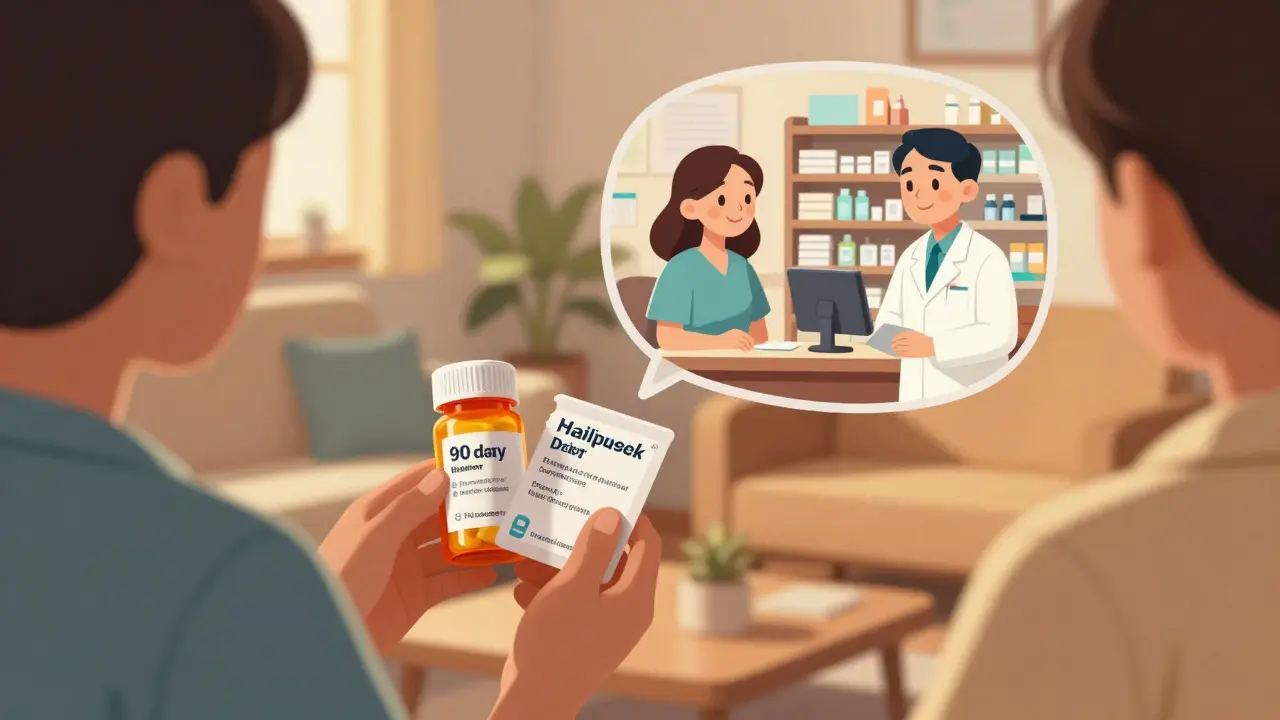
Finally, don't forget the value of a face-to-face conversation. Your local pharmacist is a huge resource for counseling on how a new drug might interact with your current ones. Even if you get your main meds by mail, keep a relationship with a local pharmacy for urgent needs and professional advice.
Handling Special Requirements and Risks
You might be wondering how something like insulin, which needs to stay cold, can possibly survive a trip in a cardboard box. Mail-order pharmacies use specialized packaging with cooling elements (like gel packs and insulated liners) to ensure temperature-sensitive medications stay stable. However, if you live in an area with extreme heat, you'll want to track your package closely so it doesn't sit on a porch in the sun for hours.
There is also the small risk of lost or damaged packages. While industry data shows this happens in only about 1.2% of shipments, it's a headache when it does. To mitigate this, use tracking numbers and sign up for text alerts. If a package doesn't arrive by the expected date, contact the pharmacy immediately; most have protocols to expedite a replacement shipment.
Is mail-order pharmacy more expensive than retail?
Actually, it's usually cheaper. Because they dispense in 90-day quantities, many insurance plans charge only two copays instead of three for a three-month supply. Additionally, mail-order pharmacies often have better discount rates on brand-name drugs, potentially saving patients between $150 and $300 annually on chronic medications.
Can I get all my medications through a delivery service?
Not everything. Maintenance medications for chronic conditions (like blood pressure or cholesterol) are perfect for mail-order. However, acute medications (like antibiotics), controlled substances (like certain pain medications), and some high-touch specialty meds still require in-person pickup at a retail pharmacy.
How long does it take to get my medication by mail?
Standard delivery typically takes 3 to 5 business days. Some specialized services offer next-day delivery for urgent needs, but it's best to plan ahead. Experts recommend ordering your refill at least 10 days before your current supply runs out to avoid any gaps in therapy.
What happens if my medication is lost in the mail?
First, check the tracking information. If the package is confirmed lost or hasn't moved in several days, contact your mail-order pharmacy's customer service immediately. They can usually verify the shipment and arrange for a replacement to be sent via expedited shipping. Keep your local pharmacy as a backup for a few emergency doses if you're worried about the transition.
Are mail-order pharmacies as accurate as local ones?
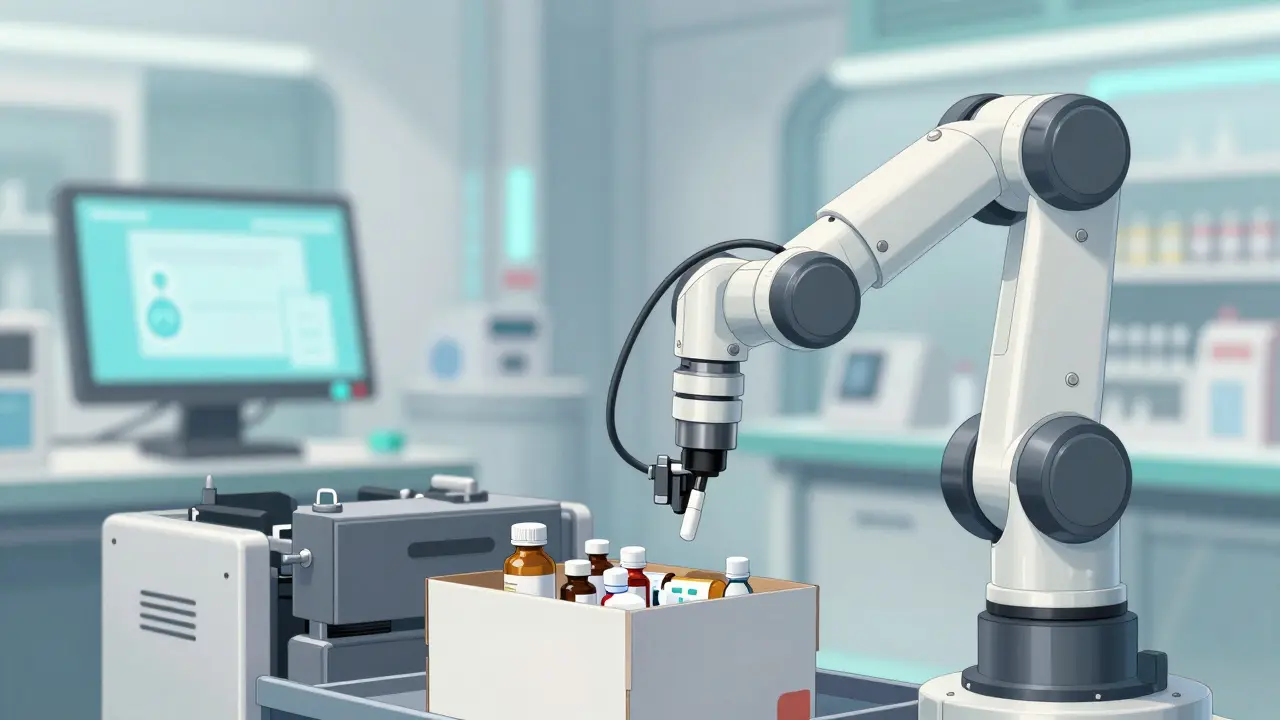
Interestingly, they are often more accurate. Many mail-order facilities use robotic dispensing systems and computer-controlled quality checks that reduce human error. Research indicates that mail-service pharmacies can achieve significantly higher dispensing accuracy than traditional retail pharmacies due to these standardized workflows.
Next Steps for Your Health Journey
If you're currently managing a chronic condition and find yourself skipping doses because of the hassle of pharmacy trips, start by checking your insurance portal today. The move to a 90-day delivery cycle is one of the simplest ways to improve your health outcomes without adding more work to your day.
For those with complex needs, consider a "hybrid" approach: use mail-order for your stable, long-term prescriptions and keep a local pharmacy for your aural needs and professional consultations. By balancing the two, you get the maximum convenience of technology without losing the personal touch of healthcare.