OTC Medication Safety Checker
Check potential interactions between your OTC medications and supplements. Based on FDA safety data.
Every year, millions of people reach for over-the-counter (OTC) meds without a second thought. A pain reliever for a headache. A sleep aid after a long day. A weight loss pill promising quick results. But what if the bottle you’re holding contains something you didn’t ask for-and something your doctor doesn’t know about?
What’s Really in Your OTC Pills?
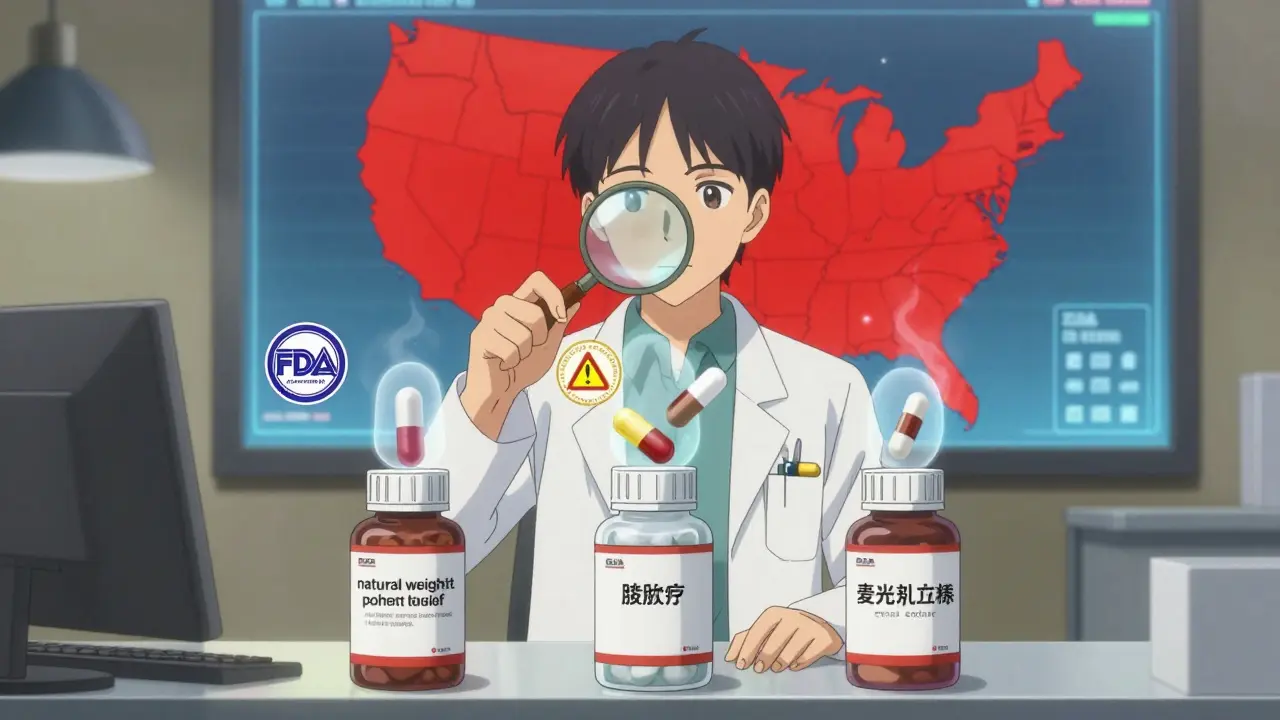
You might think OTC means safe. After all, you can buy it without a prescription. But that’s exactly where the danger lies. Unlike prescription drugs, which go through years of testing and FDA review, dietary supplements and many OTC products operate in a legal gray zone. Under the Dietary Supplement Health and Education Act of 1994, manufacturers are responsible for proving their products are safe-before they’re sold. The FDA doesn’t approve them first. It only steps in after people get hurt. This gap has led to a flood of contaminated products. Between 2007 and 2021, researchers found over 1,000 dietary supplements containing active ingredients from prescription drugs. Some had sibutramine, a banned appetite suppressant linked to heart attacks. Others contained sildenafil or tadalafil, the same compounds in Viagra and Cialis, hidden in products marketed as “natural” sexual enhancers. Even more alarming? Many of these products didn’t list these ingredients on the label. You had no idea you were taking a powerful pharmaceutical. One study found that 87% of “all-natural” sexual enhancement supplements contained hidden PDE5 inhibitors. Another showed 73% of weight loss pills had undeclared pharmaceuticals. These aren’t rare cases. They’re the norm.Why Hidden Ingredients Are a Silent Killer
It’s not just about the ingredients themselves. It’s what happens when they mix with other things you’re taking. Imagine you’re on blood pressure medication. You take a “natural” weight loss pill that contains sibutramine. That one hidden ingredient can spike your blood pressure to dangerous levels-180/110, like one Reddit user reported. No warning. No label. Just a sudden, life-threatening reaction. Or picture this: you’re diabetic and you take a joint pain supplement that contains hidden steroids or NSAIDs. Suddenly, your blood sugar goes haywire. Your kidneys start to fail. You end up in the hospital. The FDA has documented cases of people developing liver failure, internal bleeding, and even needing organ transplants-all from supplements that looked harmless. One product contained six different hidden drugs. Six. And none of them were listed. NSAIDs like ibuprofen and naproxen are common in OTC pain relievers. They’re fine for occasional use. But when combined with hidden ingredients-like another NSAID or a steroid-the risk of stomach ulcers, kidney damage, heart attacks, and strokes skyrockets. In the U.S. alone, NSAID-related complications cause 100,000 hospitalizations and 16,500 deaths every year. Hidden ingredients make those numbers worse.Who’s Most at Risk?
It’s not just older adults. Though seniors are especially vulnerable-taking an average of nearly five prescription meds plus supplements-the real danger is spreading. Teens are falling for social media challenges. The “Benadryl challenge,” where kids take massive doses of diphenhydramine to get high, has led to deaths and emergency room visits. Symptoms? Seizures, heart arrhythmias, extreme confusion. One dose can be deadly. People with chronic conditions are another high-risk group. If you’re on heart medication, diabetes drugs, antidepressants, or blood thinners, mixing them with an unregulated supplement is like playing Russian roulette. You don’t know what’s in the pill. You don’t know how it will react. And your doctor? They’re flying blind if you don’t tell them everything you’re taking.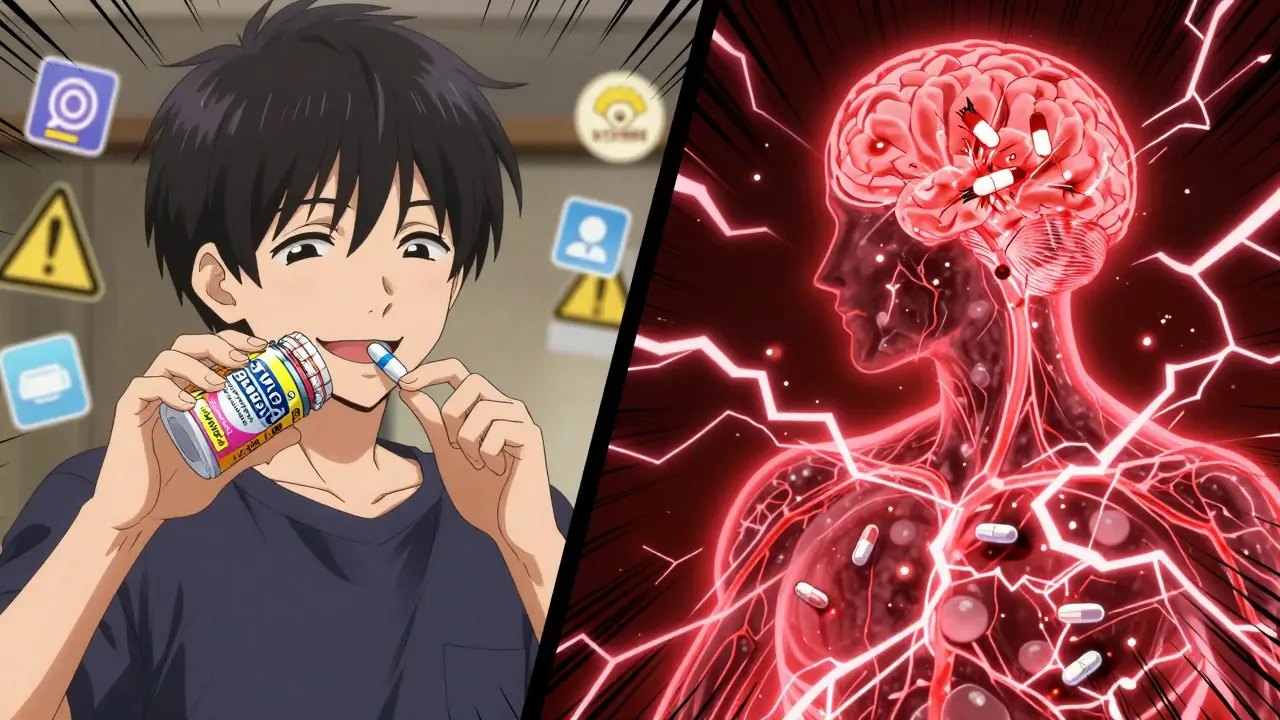
How to Protect Yourself
You don’t have to avoid OTC meds. You just need to be smarter about them. Check the FDA’s Health Fraud Product Database. It’s free. It’s public. And it lists every supplement the FDA has flagged for hidden drugs. Search the product name or even the brand. If it’s not there, that doesn’t mean it’s safe-but if it is there, walk away. Look for third-party seals. USP, NSF International, and ConsumerLab.com test supplements for what’s actually in them. They don’t guarantee effectiveness, but they do check for contaminants and label accuracy. If a product doesn’t have one of these seals, be cautious. Use the 5-5-5 rule. Before buying any OTC product, spend five minutes Googling it. Five minutes checking the FDA database. Five minutes talking to your pharmacist. Pharmacists see the most dangerous interactions every day. They’ll tell you if a product has been flagged or if it could clash with your meds. Keep a full medication list. Write down every pill, powder, capsule, and tincture you take-even the “natural” ones. Bring it to every doctor’s visit. A 2021 JAMA study found that 63% of supplement-related adverse events happened because patients didn’t tell their doctors what they were taking. Avoid anything that sounds too good to be true. “Lose 20 pounds in 2 weeks.” “Boost your libido overnight.” “All-natural and powerful.” These are red flags. Legitimate products don’t make miracle claims. They list ingredients. They cite studies. They don’t hide anything.What’s Being Done? And Is It Enough?
The FDA knows the problem is growing. In 2022, they updated rules for new supplement ingredients, requiring more safety data. In 2023, Congress introduced the OTC Medication Safety Act, which would force companies to report adverse events and give the FDA more power to pull dangerous products off shelves. But here’s the problem: it takes an average of 14 months to remove a contaminated product after it’s identified. Meanwhile, 443 of the 776 known adulterated products were found between 2012 and 2016-and the rate of contamination is rising. McKinsey & Company predicts hidden ingredient contamination will grow 15-20% annually through 2025. And only 0.3% of adverse events are even reported to the FDA. That means for every one case they know about, there are hundreds going unreported. The system is broken. And until it’s fixed, you’re the last line of defense.