
Drug Interaction Safety Checker
Check Your Medications
Enter up to 3 medications to see if they create dangerous combinations that pharmacists should flag.
Every year, tens of thousands of people in the U.S. end up in emergency rooms because of drug interactions that should have been caught. Not because the drugs are dangerous on their own, but because they were mixed together without anyone stopping to ask: Is this safe?
Imagine taking a muscle relaxer for a back injury, then getting prescribed an antibiotic for a sinus infection. Sounds harmless, right? But when tizanidine and ciprofloxacin are taken together, they can cause sudden loss of consciousness. No warning. No alert. Just a pharmacy filling the script without a second thought. This isn’t fiction. It happened. And it’s happened more often than you think.
Five Deadly Combinations Pharmacists Must Flag
A 2016 investigation by the Chicago Tribune tested 255 pharmacies across Chicago. They posed as patients and asked for five specific, high-risk drug combinations. The results? Over half the pharmacies - 52% - failed to warn patients. That’s more than one in two. Here are the combinations that should trigger an immediate red flag:
- Tizanidine + Ciprofloxacin: Ciprofloxacin blocks the enzyme that breaks down tizanidine. The result? Toxic buildup. Dizziness, fainting, even falling and hitting your head. This isn’t a mild side effect - it’s a safety hazard.
- Colchicine + Verapamil: Used for gout and high blood pressure, respectively. Together, they can cause severe toxicity. Symptoms include vomiting, diarrhea, muscle weakness, and kidney failure. The body can’t clear the drugs fast enough, and levels spike dangerously.
- Simvastatin + Clarithromycin: One’s for cholesterol, the other for infection. But clarithromycin shuts down the liver enzyme that breaks down simvastatin. Creatine kinase levels - a marker of muscle damage - can jump over 10,000 U/L. That’s not just muscle pain. That’s rhabdomyolysis, a condition that can destroy muscle tissue and cause kidney failure.
- Clarithromycin + Ergotamine: Ergotamine treats migraines. Clarithromycin makes it too strong. The result? Ergotism - a rare but deadly condition that causes limb numbness, tissue death, and even amputation.
- Oral Contraceptives + Griseofulvin: This one’s often overlooked. Griseofulvin, an antifungal, makes birth control pills useless. Pregnancy rates jump above 30% when these are combined. And if pregnancy happens? Risk of birth defects increases.
These aren’t rare edge cases. They’re documented, predictable, and preventable. Yet, they keep happening.
Why Pharmacists Miss These Warnings
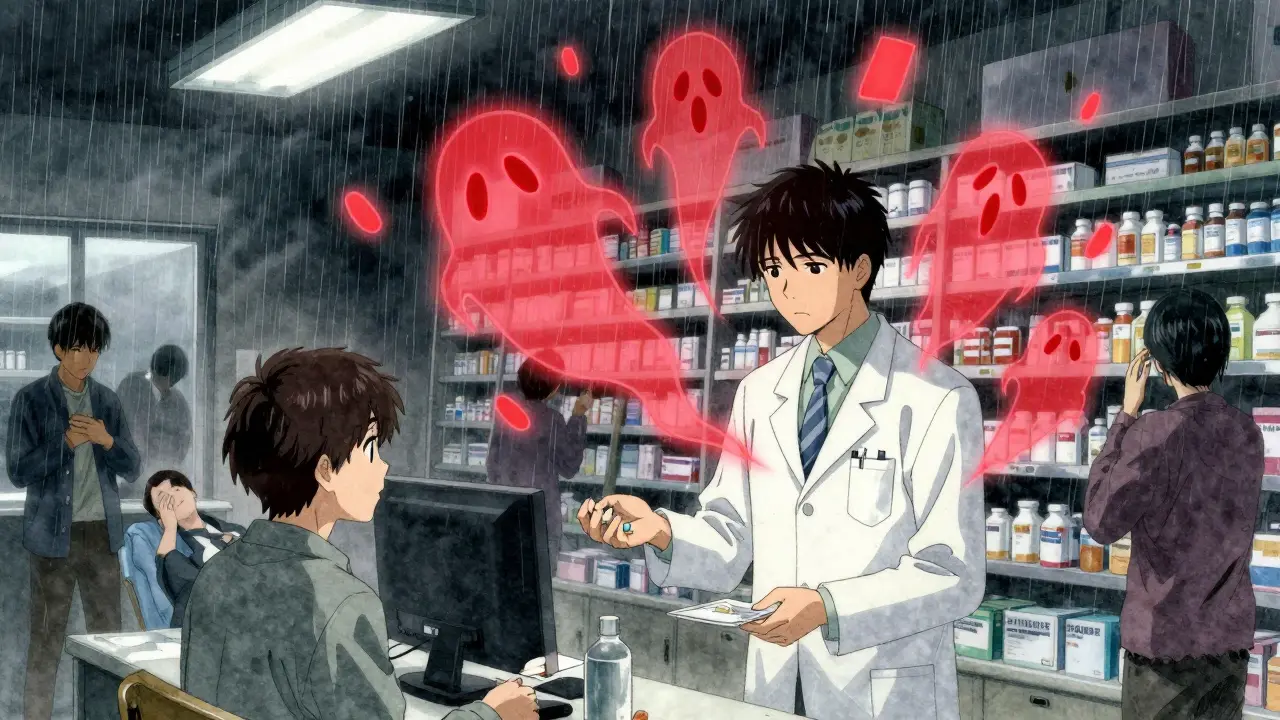
You’d think computers would catch this. After all, every pharmacy has a system that checks for interactions. But here’s the problem: too many alerts.
Pharmacists get flooded with warnings - sometimes 50 or more per shift. Most of them are for minor interactions: “This painkiller might make your stomach upset.” “This vitamin might lower your blood pressure a little.” These aren’t emergencies. But the system doesn’t know that. It just screams: Alert! Alert! Alert!
This is called alert fatigue. When you hear a fire alarm every 10 minutes, you stop reacting. And when a pharmacist is juggling 15 prescriptions, a crying child, and a phone ringing - they’ll skip the 47th alert. Even if it’s life-threatening.
Professor John Horn from the University of Washington School of Pharmacy studied this. He worked with 12 major health systems to reprogram their alert systems. They filtered out low-risk warnings. Only kept the ones that could kill. Result? Alerts dropped by 78%. But critical interactions caught? Jumped from 48% to 89%.
That’s the difference between noise and action.
Other High-Risk Interactions You Might Not Know About
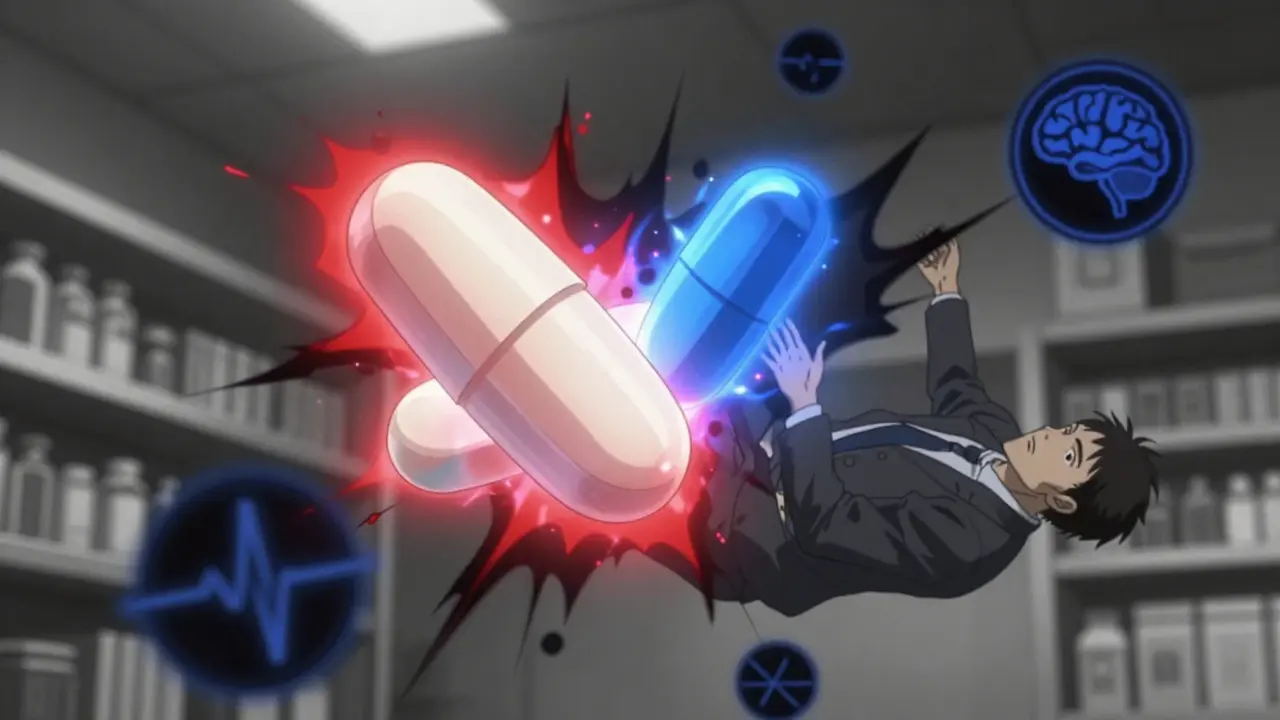
There are more combinations that fly under the radar. Here are two more that deserve attention:
- Digoxin + Verapamil: Digoxin helps the heart pump. Verapamil slows it down. Together, digoxin levels can rise by 60-75%. That’s enough to cause dangerous bradycardia - a heartbeat so slow it can stop. Monitoring the PR interval on an EKG is critical here.
- Warfarin + Amiodarone: Warfarin thins the blood. Amiodarone, used for irregular heartbeat, blocks how the body breaks it down. Bleeding risk skyrockets. The American Academy of Family Physicians recommends cutting the warfarin dose by 30-50% when starting amiodarone - and checking INR levels every week for at least a month.
And it’s not just these. Statins like simvastatin, lovastatin, and rosuvastatin can all interfere with warfarin. But atorvastatin and pravastatin? Much safer. That’s not common knowledge. Most patients don’t know their cholesterol pill could be making their blood thinner than intended.
Who’s Most at Risk?
It’s not just anyone. Certain groups are far more vulnerable:
- Elderly patients: The average person over 65 takes 4.5 prescription drugs daily. That’s a recipe for overlap. They make up 35% of all adverse drug events, according to the FDA.
- Pregnant women: Drugs like griseofulvin or certain antibiotics can cross the placenta. Unintended pregnancy or birth defects aren’t just risks - they’re documented outcomes.
- People with kidney or liver disease: These organs clear drugs from the body. If they’re weakened, even normal doses can become toxic.
- Those on opioids and benzodiazepines: The FDA issued a warning in 2016 after seeing a 500% rise in co-prescriptions. Together, they slow breathing to a stop. That’s not a side effect. That’s death.
One doctor shared a heartbreaking story: his mother died from serotonin syndrome after taking Demerol with another medication. He warned the team. They ignored him. She never woke up.

The System Is Broken - But Fixable
Pharmacies are understaffed. The National Community Pharmacists Association says the average time to fill one prescription is just 2.3 minutes. That’s less time than it takes to make coffee. How can a pharmacist review five drugs, check for interactions, counsel a patient, and answer questions in that window?
There are solutions:
- Tiered alert systems: Only flag the top 10% of interactions - the ones that can kill. Ignore the rest.
- AI-powered tools: The FDA is funding AI tools that look beyond simple drug pairs. They consider age, kidney function, genetics, even diet. A patient on simvastatin who also eats grapefruit? The system should scream.
- Mandatory counseling: The CDC says requiring pharmacists to talk to patients about high-risk drugs could prevent 150,000 adverse events each year.
After the Tribune’s report, Walgreens and CVS said they’d fix things. Some did. But 30% of community pharmacies still lack systems that can filter alerts by severity. That means your pharmacist might be blindfolded - and you’re the one walking into danger.
What You Can Do
You can’t control the system. But you can protect yourself.
- Always tell your pharmacist every medication you take - including supplements, OTC drugs, and herbal products.
- Ask: “Is there any reason I shouldn’t take this with my other meds?”
- Use one pharmacy. Not two. Not three. One. That way, they can see your full history.
- Keep a written list. Don’t rely on memory. Bring it to every appointment.
- If you feel dizzy, weak, or confused after starting a new drug - call your pharmacist before calling your doctor.
Medication safety isn’t just about the pills. It’s about who’s watching the door. And right now, too many doors are left unlocked.
What are the most dangerous drug interactions I should watch out for?
The most dangerous combinations include simvastatin with clarithromycin (risk of rhabdomyolysis), colchicine with verapamil (toxic buildup), tizanidine with ciprofloxacin (loss of consciousness), and oral contraceptives with griseofulvin (contraceptive failure and birth defects). Warfarin with amiodarone and digoxin with verapamil also carry high risks of bleeding or heart block. These aren’t theoretical - they’ve caused deaths and hospitalizations.
Why don’t pharmacies always warn patients about these interactions?
Most pharmacies use automated systems that generate dozens of alerts per shift. Many are for low-risk interactions, leading to "alert fatigue" - pharmacists start ignoring warnings because they’re overwhelmed. A 2016 investigation found 52% of pharmacies missed life-threatening interactions. Systems that filter alerts by severity have improved detection rates to 89%.
Can I trust my pharmacist to catch dangerous interactions?
You can, but you shouldn’t rely on it. Pharmacists are overworked, under-supported, and often stuck with outdated alert systems. While many do their best, systemic flaws mean dangerous combinations still slip through. Always ask questions, keep a medication list, and use one pharmacy for all your prescriptions.
Are over-the-counter drugs and supplements safe to mix with prescriptions?
No. Supplements like St. John’s Wort can reduce the effectiveness of birth control, blood thinners, and antidepressants. Grapefruit juice can double the effect of statins like simvastatin. Even common OTC painkillers like ibuprofen can increase bleeding risk when taken with warfarin. Always disclose everything - even if it’s "natural."
What should I do if I think I’m having a bad drug reaction?
Call your pharmacist immediately. They’re trained to recognize drug interactions and can advise whether you need to stop the medication, adjust the dose, or seek emergency care. Don’t wait for symptoms to worsen. Early action can prevent hospitalization or worse. Keep the list of all your medications handy - it helps them respond faster.


