
Problem Generics: When Generic Medications Cause Side Effects and What to Do
When you switch from a brand-name drug to a generic medication, a chemically identical version of a brand-name drug approved by regulators. Also known as generic drugs, they’re meant to work the same way at a lower cost. But for some people, that switch doesn’t go smoothly. You might feel different—worse, even—after your pharmacy hands you a new pill with a different name or color. This isn’t in your head. It’s a real issue called problem generics, when generic versions trigger unexpected side effects or reduced effectiveness in certain patients.
Not all generics cause trouble. Most work just fine. But when it comes to drugs with a narrow therapeutic index, a small difference in dosage can lead to serious side effects or treatment failure, even tiny variations in how the body absorbs the drug can matter. Think thyroid meds like levothyroxine, seizure drugs like phenytoin, or blood thinners like warfarin. These aren’t ordinary pills. A 5% change in absorption might mean your thyroid stops working right, your seizures return, or you bleed too much. That’s why doctors often warn against switching these unless absolutely necessary. And if you do switch, you need to watch for changes—fatigue, dizziness, heart palpitations, or mood swings—that weren’t there before.
Why does this happen? Generics have the same active ingredient, sure. But they use different fillers, coatings, or manufacturing processes. For most people, that’s no big deal. But for someone with sensitive digestion, a rare allergy to a dye, or a metabolic quirk, those tiny differences add up. Some people report headaches, nausea, or anxiety after switching to a generic antidepressant. Others find their blood pressure spikes or their asthma worsens. It’s not the drug—it’s the delivery. And if you’ve been stable on a brand for years, suddenly changing the pill can throw off your whole system.
What can you do? First, don’t panic. Talk to your doctor before refusing a generic. But also don’t ignore how you feel. Keep a simple log: note the date you switched, what the new pill looks like, and any new symptoms. If something’s off, ask for a prescription that says "dispense as written" or "no substitutions." Many pharmacies will honor that. And if your insurance pushes a cheaper generic that makes you sick, push back—your health isn’t a cost center.
The posts below dive into real cases where people ran into trouble with generics—from thyroid flares to seizure breakthroughs to antidepressant crashes. You’ll find guides on how to spot the warning signs, which medications are most likely to cause problems, and what steps to take if your body reacts badly. This isn’t about fearing generics. It’s about knowing when to question them—and how to fight for the right treatment.
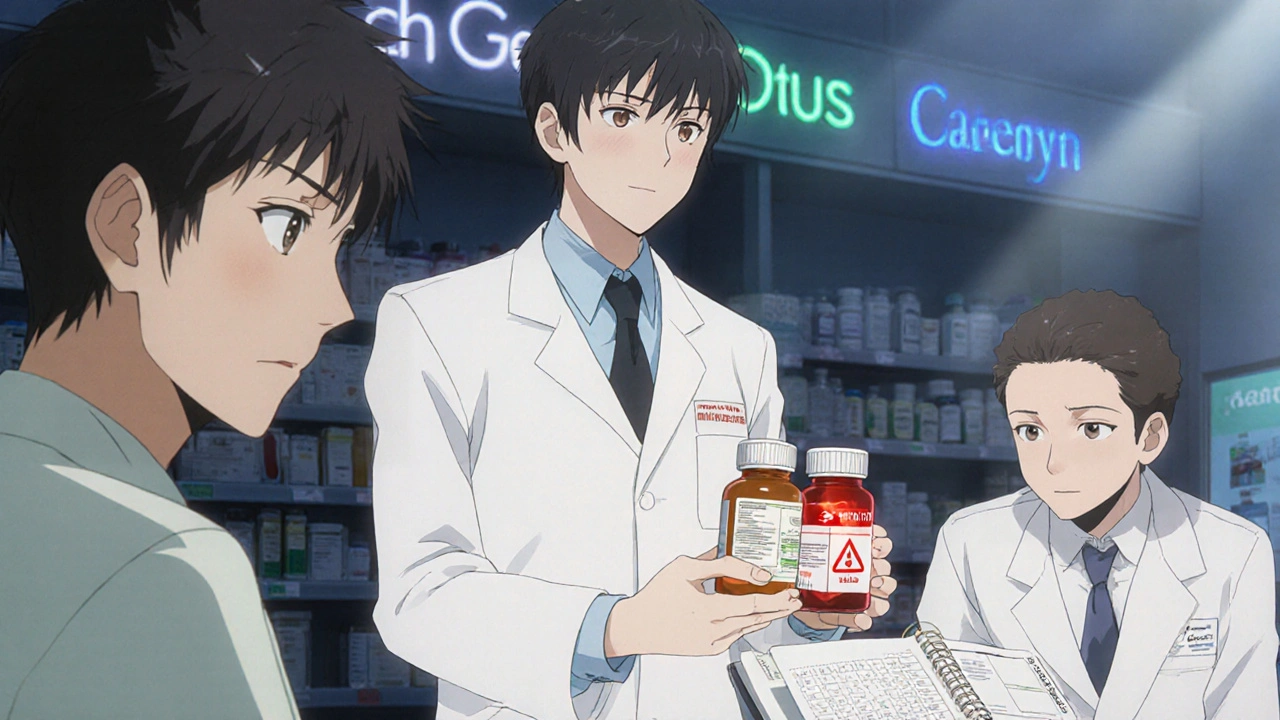
Identifying Problem Generics: When Pharmacists Should Flag Issues
Pharmacists play a critical role in catching unsafe generic drug substitutions. Learn when to flag issues with NTI drugs, look-alike names, and faulty extended-release formulations to protect patient safety.