
Safe Breast Milk Storage: How to Keep It Fresh and Safe for Your Baby
When you’re pumping and storing breast milk, a natural source of nutrition and antibodies for infants, often used when direct feeding isn’t possible. Also known as human milk, it’s not just food—it’s medicine, comfort, and immune support all in one. But storing it wrong can waste all that value—or worse, put your baby at risk. Safe breast milk storage isn’t about fancy gear or rigid rules. It’s about knowing when, where, and how to keep it clean, cool, and ready to use.
There are three main ways to store it: at room temperature, in the fridge, or in the freezer. Freshly pumped milk can sit out for up to 4 hours if the room isn’t too warm—say, under 77°F (25°C). If you’re out and about, an insulated cooler with ice packs keeps it safe for up to 24 hours. In the fridge, it lasts 4 days, but many moms find 3 days works better for peace of mind. Frozen milk? That’s good for 6 months in a standard freezer, and up to 12 months in a deep freezer. Just don’t stash it in the door—temperature swings there can break down nutrients. Always use hard plastic or glass containers with tight lids, or special breast milk storage bags labeled for freezing. Never use regular zip-top bags—they leak, and they’re not sterile.
Label everything with the date and time you pumped. That’s not optional—it’s your safety net. If you’re mixing milk from different pumping sessions, always chill the newer batch first before adding it to the older one. Never reheat frozen milk in the microwave. It creates hot spots that can burn your baby’s mouth and destroy important proteins. Instead, run the container under warm water or set it in a bowl of warm water. Swirl it gently to mix—don’t shake. And once thawed? Use it within 24 hours. If your baby doesn’t finish a bottle, toss the leftovers. Bacteria from their mouth can grow fast in milk, even in the fridge.
Some moms worry about smell or taste changes after freezing. That’s normal. A soapy or metallic odor? That’s just lipase, an enzyme that breaks down fat. It’s harmless, and most babies don’t mind. If yours does, scald the milk (heat it to just below boiling, then cool fast) before freezing to deactivate the enzyme. Also, don’t assume more storage = better quality. Fresh milk has the most live cells and antibodies. Frozen milk is still great, but it’s not the same. Use frozen milk for longer absences, not daily feedings if you can help it.
And if you’re on meds, have an infection, or had a recent vaccination? You can still pump and store milk. Most medications are safe—check with your doctor, but don’t stop nursing or pumping unless told to. Even with mastitis or a cold, your milk protects your baby, it doesn’t spread the illness. The biggest mistake? Waiting too long to store it. Pump, label, chill—do it right away. Every minute counts.
Below, you’ll find real-world advice from parents and professionals on how to handle breast milk in every situation—from road trips to hospital stays, from freezing in bulk to thawing for night feedings. No fluff. No guesswork. Just what works.
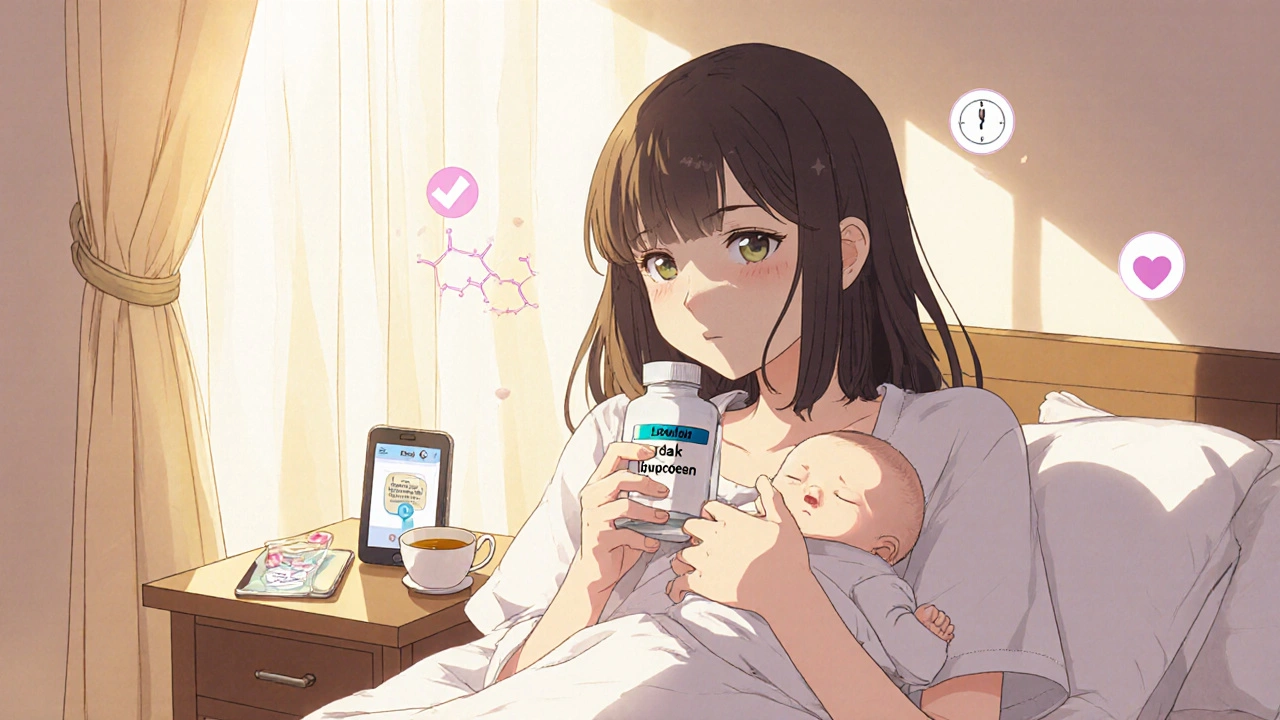
Pumping and Storing Milk While Taking Medication: Safe Practices You Can Trust
Most medications are safe while breastfeeding. Learn when to pump and dump - and when it's unnecessary. Discover safe alternatives, timing tips, and trusted resources to protect your milk supply and your baby.