

When you have a sore knee or aching shoulder, you might reach for a pill-or a gel. But which one is safer? It’s not just about convenience. The difference between a topical cream and a swallowed tablet comes down to how your body handles the drug, and that changes everything when it comes to side effects and long-term safety.
How Your Body Absorbs Topical vs. Oral Meds
Topical medications like diclofenac gel or menthol cream are meant to sit on your skin. They’re designed to work right where you apply them-your muscles, joints, or tendons. Only a tiny bit, usually less than 5%, actually gets into your bloodstream. That’s by design. The goal is to keep the drug local, so it doesn’t flood your whole system. Oral meds, on the other hand, are built to be absorbed through your gut. Once swallowed, they travel to your liver first, where a big chunk gets broken down before it even reaches your blood. This is called first-pass metabolism. For some drugs, like morphine, up to 95% of the dose is lost this way. Even for common ones like ibuprofen, you’re only getting about 70-90% of what you took into your system. That’s why two pills might feel stronger than a whole tube of cream. The cream doesn’t need to survive your liver. It just needs to get through your skin. And even then, it doesn’t always work the same for everyone. Skin thickness, temperature, and even how much you rub it in can change how much gets absorbed. A 2022 study found that absorption rates between people using the same dose varied by up to 400%.Why Topical Means Safer-Most of the Time
The biggest advantage of topical meds is reduced risk. Oral NSAIDs-like ibuprofen or naproxen-are linked to stomach ulcers, bleeding, and kidney damage. About 15% of people who take them regularly report stomach problems. In contrast, less than 1% of people using topical NSAIDs have serious internal side effects. The FDA’s adverse event database shows 14.7 hospitalizations per 10,000 oral NSAID prescriptions, compared to just 1.2 for topical versions. That’s more than a 12-fold difference. The American Geriatrics Society says this is why, for older adults, topical NSAIDs should be the first choice for joint pain. They cut the risk of internal bleeding by 82%. But here’s the catch: topical doesn’t mean zero absorption. If you use a large amount-say, applying gel to your entire back for days-you can still get enough into your blood to cause problems. There are documented cases where people using topical diclofenac for widespread pain ended up with blood levels high enough to affect their kidneys or blood pressure. It’s rare, but it happens.When Oral Meds Are Still Necessary
Topical meds are great for localized pain. But if you have arthritis in multiple joints, or an infection that’s spread beyond the skin, you need something that works systemically. That’s where oral meds shine. Antibiotics are a perfect example. You can’t treat a throat infection with a cream. Topical antibiotics can kill bacteria on a cut, but they won’t reach the tonsils. Oral antibiotics get into your bloodstream and travel where they’re needed. Same goes for chronic conditions like migraines or autoimmune diseases. You can’t rub a pill onto your forehead to stop a migraine. You need the drug to affect your brain, your nerves, your immune system. That requires systemic delivery. And here’s something most people don’t realize: only about 12% of the 200 most common prescription drugs can even be made into topical forms. Why? Because most molecules are too big to slip through your skin. If a drug weighs more than 500 Daltons, it’s unlikely to penetrate effectively. That rules out a lot of important medicines.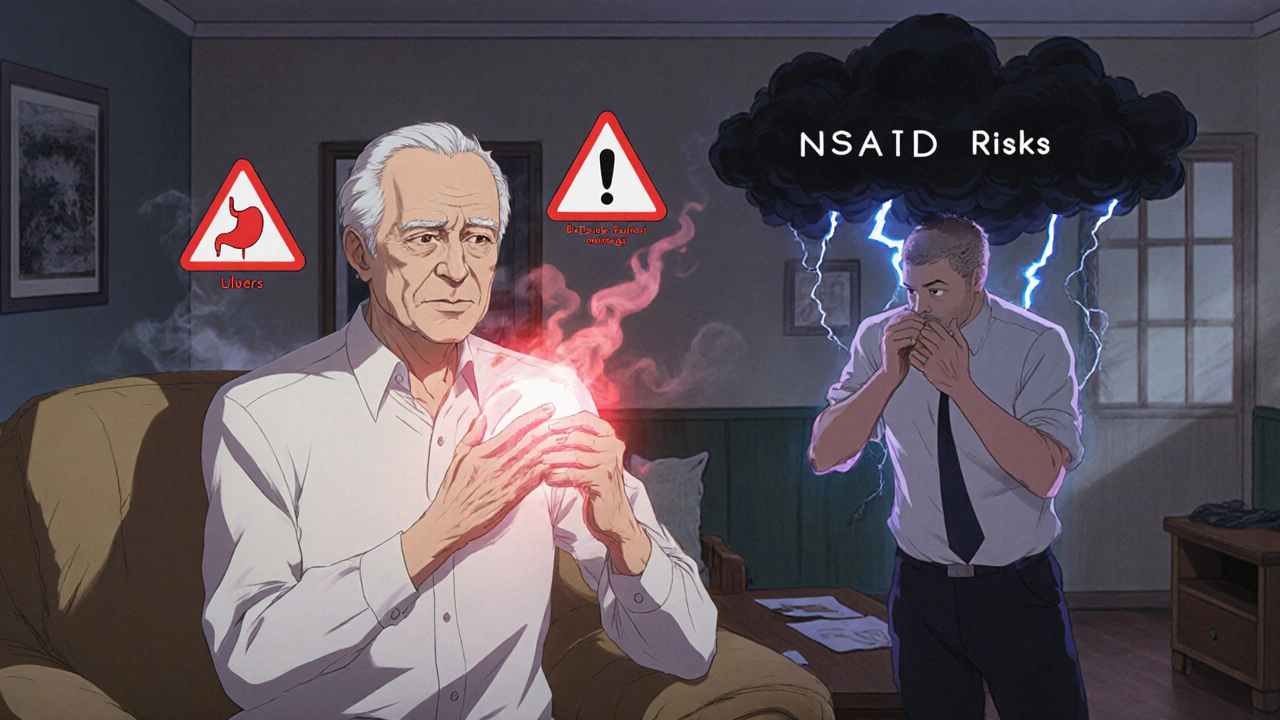
Real People, Real Experiences
In a 2023 survey of over 2,400 people with osteoarthritis, 68% said topical NSAIDs gave them good pain relief. That’s close to the 72% who said oral meds worked well. But here’s the kicker: 89% of those same people preferred the cream. Why? Because they didn’t get stomach upset. Reddit users in the r/ChronicPain community talk about it all the time. One person wrote: “I used to take two ibuprofen a day. My stomach felt like it was on fire. Switched to the gel. No more acid reflux. But now I have to remember to apply it four times a day-and it’s messy.” That’s the trade-off. Topical meds are safer, but they’re less convenient. You have to apply them. You have to wait. Cold weather slows absorption. Sweat washes it off. And if you don’t use enough, it won’t work. A 2023 pharmacist survey found that 41% of topical treatment failures were due to under-dosing or wrong frequency.What About Transdermal Patches?
Transdermal patches are different from regular topical gels. They’re designed to push drugs through the skin and into your blood-on purpose. Fentanyl patches, for example, deliver steady pain relief for three days. They have 92% bioavailability. That’s higher than most oral opioids. But this isn’t a loophole. These are strong, controlled drugs. They’re not for occasional use. Misuse can lead to overdose. And they’re not meant to replace oral meds for mild pain. They’re for chronic, severe pain under close supervision. New tech is coming. Microneedle patches are in late-stage trials. These tiny needles pierce just deep enough to deliver drugs without pain. Early results show they can deliver osteoporosis meds-currently only available as pills-with 45% efficiency. That could change everything for people who can’t swallow tablets.
Practical Tips for Using Topical Meds Right
If you’re using a topical gel or cream, here’s how to make sure it works:- Use the right amount: A 4- to 6-inch ribbon is usually enough for one joint. Less won’t help. More won’t make it faster.
- Apply to clean, dry skin. Don’t rub it in hard-just spread it gently.
- Wait at least 30 minutes before showering or swimming.
- Avoid applying to broken or irritated skin. That increases absorption-and risk.
- Wash your hands after applying. Don’t touch your eyes or mouth.
- Use it 3-4 times a day, as directed. Skipping doses makes it less effective.
The Bigger Picture: Why This Matters
Every year, over 100,000 people in the U.S. are hospitalized because of complications from oral NSAIDs. Most of these are preventable. Topical versions could cut that number dramatically. The market is responding. The global topical drug market hit $52 billion in 2023 and is growing faster than oral meds. Insurance companies are catching on too. Medicare covers topical NSAIDs at 82% rates, compared to 67% for oral ones. Big pharma is investing billions. Johnson & Johnson spent nearly half a billion dollars on topical research in 2023. Novartis shifted 15% of its oral NSAID budget to transdermal tech. The message is clear: for localized pain, topical is the smarter, safer bet. But it’s not magic. It needs to be used right. And it’s not a replacement for everything.Who Should Use What?
- Use topical: If you have pain in one or two joints, are over 65, have a history of stomach ulcers, or take other meds that stress your liver or kidneys.
- Stick with oral: If you have widespread pain, an infection, or a condition that needs systemic treatment (like rheumatoid arthritis or migraines).
- Ask your doctor: If you’re unsure, or if you’ve had side effects from either type. There’s no one-size-fits-all.
Can topical NSAIDs cause stomach problems?
Topical NSAIDs are far less likely to cause stomach issues than oral ones. Less than 1% of users report gastrointestinal side effects, compared to 15% with oral NSAIDs. However, if you apply large amounts over a wide area for long periods, some drug can enter your bloodstream and potentially cause mild stomach upset. Always follow the recommended dose and avoid using on broken skin.
Are topical meds as effective as pills for joint pain?
For localized joint pain-like in the knee or hand-topical NSAIDs are nearly as effective as oral ones. Studies show 68-92% of users get good pain relief. But they’re not as strong for deep pain or pain in multiple joints. If you have arthritis in both knees and your lower back, oral meds may be more appropriate.
Why do some people say topical meds don’t work for them?
About 18-22% of people don’t absorb enough of the drug through their skin to feel relief. This can be due to thick skin, low skin temperature, applying too little, or not applying often enough. Some skin types naturally block more drug. If one brand doesn’t work, try another formulation-gel, cream, or patch-since absorption varies by product.
Can I use topical and oral NSAIDs together?
No. Using both at the same time increases your risk of side effects without adding much extra pain relief. You’re not getting double the benefit-you’re doubling your exposure to NSAIDs. Stick to one delivery method unless your doctor specifically tells you otherwise.
Is it safe to use topical meds long-term?
Yes, for most people. Long-term use of topical NSAIDs is considered safe when used as directed. Unlike oral NSAIDs, they don’t significantly affect the stomach lining, kidneys, or blood pressure in most users. However, if you’re using them daily for months, check in with your doctor. Skin reactions or rare systemic effects can develop over time.
Do topical meds work faster than pills?
Not necessarily. Topical meds often take longer to start working-usually 30 minutes to 2 hours-because they need time to penetrate the skin. Oral NSAIDs typically kick in within 20-30 minutes. But topical ones last longer. You don’t get a quick spike in blood levels, so you avoid the highs and lows that can cause side effects.
Can I use topical meds if I have sensitive skin?
You can, but be cautious. About 10-15% of users get mild skin irritation-redness, itching, or rash-at the application site. If you have eczema, psoriasis, or very sensitive skin, patch test first. Apply a small amount to a small area for 2-3 days. If no reaction occurs, it’s likely safe to use more widely.
If you’re managing chronic pain, the safest path isn’t always the most convenient. Topical meds offer a real chance to reduce harm without giving up relief. The key is using them correctly-and knowing when they’re not enough.


