
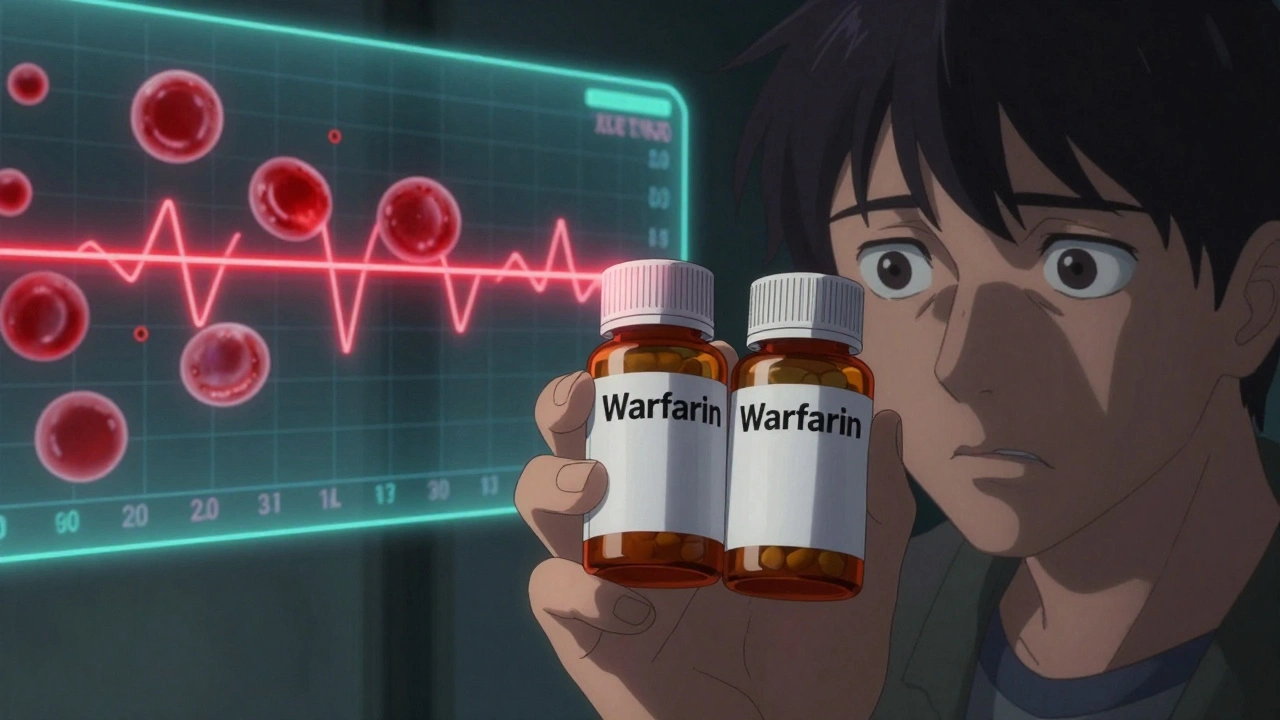
When you take a medication like warfarin or phenytoin, even a tiny change in your dose can mean the difference between staying safe and ending up in the hospital. These are NTI drugs - narrow therapeutic index drugs - and they don’t play by the same rules as most other pills. The gap between the dose that helps you and the dose that harms you is razor-thin. That’s why switching from a brand-name version to a generic, even if it’s labeled "bioequivalent," can be risky.
What Makes a Drug an NTI Drug?
NTI drugs have a therapeutic window so small that a 10% change in blood levels can trigger serious side effects. The FDA defines them as medications where small differences in dose or concentration can lead to serious therapeutic failure or toxic reactions. For example, warfarin - a blood thinner - needs to keep your INR between 2.0 and 3.0. Go below that, and you risk a clot. Go above, and you could bleed internally. Phenytoin, used for seizures, has a safe range of 10 to 20 mcg/mL. Above 20, you get dizziness, unsteady walking, even confusion. Below 10, seizures return.
These drugs aren’t rare. About 15 to 20% of commonly prescribed medications fall into this category. Others include lithium for bipolar disorder, digoxin for heart failure, theophylline for asthma, and methadone for pain or addiction. Each one demands precision. Unlike antibiotics or cholesterol pills, where a little extra or less won’t hurt, NTI drugs leave no room for error.
Why Generic Substitution Is Problematic
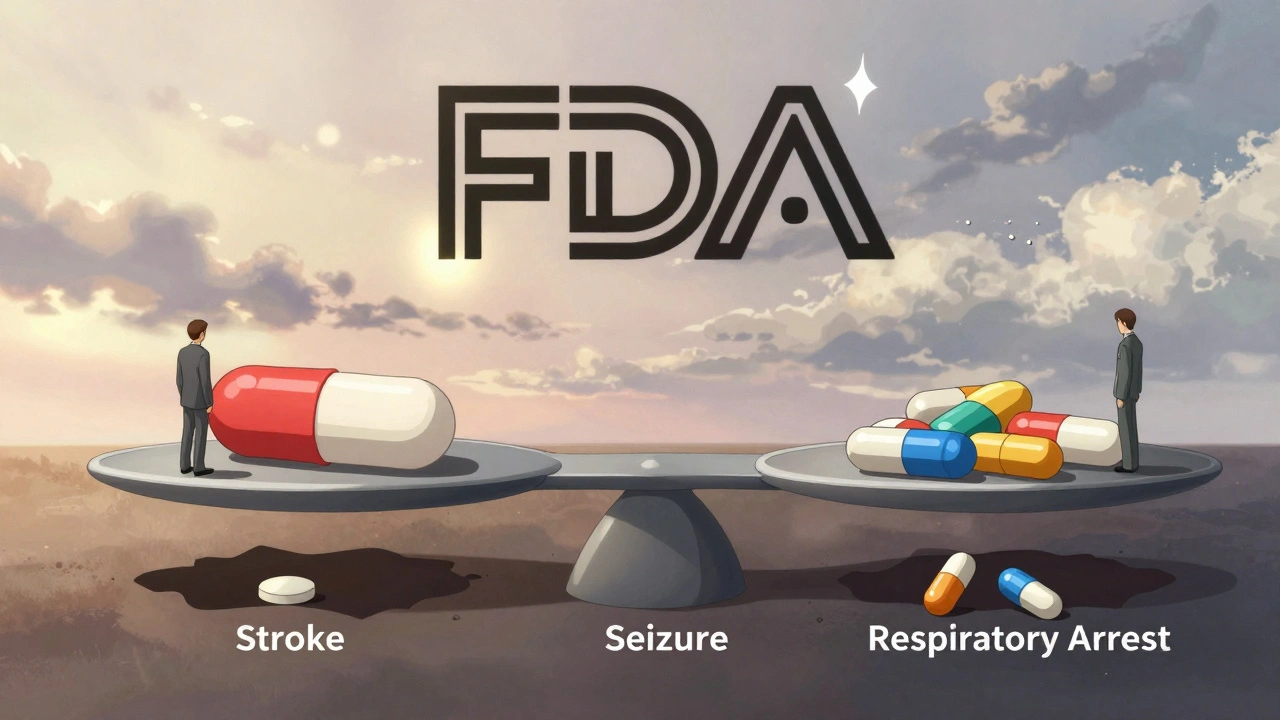
Here’s the catch: the FDA allows generic drugs to differ from the brand name by up to 20% in how much of the drug enters your bloodstream - measured by AUC and Cmax. That’s the standard bioequivalence range: 80% to 125%. For most drugs, that’s fine. But for NTI drugs, a 20% swing can push you out of the safe zone.
Take warfarin. A 2007 study found no major issues when patients switched from Coumadin to a generic version. But other studies showed patients suddenly had dangerously low or high INR levels after the switch - even when nothing else changed. One patient might stay stable. Another might have a stroke. Why? Because the generic version might absorb slightly faster, slower, or more inconsistently. That’s not a flaw in the generic - it’s a flaw in the standard.
Phenytoin has a similar story. There are documented cases of breakthrough seizures after switching to a generic. Patients who were stable for years suddenly had seizures because their blood levels dropped below 10 mcg/mL. In some cases, switching back to the brand name fixed the problem.
The FDA’s Position vs. Real-World Evidence
The FDA says generic NTI drugs are therapeutically equivalent to their brand-name counterparts. They’re approved based on bioequivalence studies and meet the same quality standards. But doctors and pharmacists see something different.
A 2019 survey of pharmacists showed that while most trusted generic NTI drugs, skepticism was higher among those working outside big pharmacy chains. Some pharmacists refused to substitute without explicit approval from the prescriber. The American Medical Association agrees: the prescribing physician should decide whether substitution is safe for each patient.
Experts are divided. Some argue that generic substitution for NTI drugs should be banned outright. Others say it’s fine if monitored closely. The truth? The science is messy. What works for one person doesn’t work for another. And because NTI drugs vary so much between individuals, blanket rules don’t fit.

Real Risks, Real Consequences
Let’s talk about what happens when things go wrong.
With warfarin, a small drop in blood levels can cause a blood clot. A small rise can cause internal bleeding - sometimes fatal. One patient might need their dose adjusted by 0.5 mg after switching generics. Another might need a 3 mg change. There’s no predictable pattern.
With methadone, the risk is even more extreme. The ratio between a pain-relieving dose and a dose that stops breathing can be as low as 2:1, especially in people who haven’t built up tolerance. Switching to a generic with higher bioavailability could lead to respiratory arrest. Switching to one with lower bioavailability could leave someone in unbearable pain - or trigger withdrawal.
For epilepsy patients, a missed dose or a slight drop in phenytoin levels can mean a seizure. That’s not just inconvenient - it’s life-threatening. Patients who’ve been seizure-free for years suddenly end up in the ER after a pharmacy switch.
What Doctors and Pharmacies Should Do
There’s no one-size-fits-all solution. But here’s what works in practice:
- Never switch NTI drugs without your doctor’s approval.
- If you’re on a brand-name NTI drug, ask your doctor to write "dispense as written" or "no substitution" on the prescription.
- If you’re switched to a generic, get your blood levels checked within a week - and again after two weeks.
- Keep a written list of all your medications, including the brand or generic name and dose, and share it with every provider you see.
- Don’t assume all generics are the same. Even two different generics of the same drug can behave differently.
Some states, like North Carolina, have laws that restrict automatic substitution for NTI drugs. Pharmacists there must check with the prescriber before switching. Other states leave it up to the pharmacy. That inconsistency adds confusion.
What Patients Can Do
If you’re on an NTI drug, you’re your own best advocate.
- Ask your pharmacist: "Is this the same brand I was on?" If it’s different, ask if you can stay on the original.
- Know your numbers. If you’re on warfarin, know your target INR. If you’re on phenytoin, know your therapeutic range.
- Report any new symptoms - dizziness, fatigue, confusion, unusual bruising - immediately.
- Don’t refill at a different pharmacy unless you’ve talked to your doctor. Different pharmacies may stock different generics.
- Stick to one pharmacy if possible. They’ll track your history and notice if a new generic is introduced.
Some patients report that even switching between two different generics - say, from one company’s phenytoin to another’s - caused problems. That’s because manufacturing processes, fillers, and coatings vary. These aren’t active ingredients, but they affect how the drug dissolves and gets absorbed.
The Bigger Picture
Generic drugs save billions of dollars. That’s good. But when it comes to NTI drugs, the cost of a mistake isn’t just financial - it’s measured in hospital stays, strokes, seizures, and deaths.
The FDA acknowledges this. They’ve said they’re considering tighter bioequivalence standards for NTI drugs - maybe 90-111% instead of 80-125%. But that hasn’t happened yet. Until then, the system relies on vigilance, not regulation.
There’s no perfect solution. But the safest approach is simple: treat NTI drugs like precision tools, not commodities. Don’t let a pharmacy decision override your doctor’s judgment. Don’t assume "bioequivalent" means "identical." And never ignore a change in how you feel after a switch.
For these drugs, consistency isn’t just preferred - it’s critical. Your life might depend on it.
What are NTI drugs?
NTI drugs, or narrow therapeutic index drugs, are medications where the difference between a safe, effective dose and a toxic dose is very small - usually a ratio of 2:1 or less. Examples include warfarin, phenytoin, lithium, digoxin, and methadone. Small changes in blood levels can cause serious harm, like bleeding, seizures, or respiratory failure.
Can I switch from a brand-name NTI drug to a generic?
It’s possible, but only under close medical supervision. Many doctors recommend staying on the same version - brand or generic - to avoid fluctuations. If you do switch, your blood levels should be checked within days, and you should watch for new symptoms. Never switch without talking to your prescriber first.
Why does the FDA allow 20% variation in generics?
The 80-125% bioequivalence range was set decades ago for most drugs and still applies unless a drug is specifically flagged. For NTI drugs, this range is considered too wide by many experts. The FDA recognizes this and has recommended tighter limits, but no official change has been made yet. Until then, the system relies on physician judgment and monitoring.
How do I know if my drug is an NTI drug?
Check your prescription label or ask your pharmacist. Common NTI drugs include warfarin, phenytoin, lithium, digoxin, theophylline, cyclosporine, and methadone. If your doctor says your drug needs blood level monitoring, it’s likely an NTI drug. Always confirm with your provider.
What should I do if I notice side effects after switching generics?
Contact your doctor immediately. Don’t wait. For drugs like warfarin or phenytoin, even mild symptoms - like unusual bruising, dizziness, or confusion - can signal dangerous changes in blood levels. Get tested, document the switch, and ask whether you should return to your previous version.


