
Cancer Treatment: What Works, What to Watch For, and How Medications Play a Role
When we talk about cancer treatment, the medical approaches used to destroy or control cancer cells in the body. Also known as oncology therapy, it includes everything from surgery and radiation to drugs that target specific weaknesses in cancer cells. There’s no single path—what works for one person might not work for another, and the right plan depends on the type of cancer, how far it’s spread, and your overall health.
Chemotherapy, a type of cancer treatment that uses drugs to kill fast-growing cells. Also known as chemo, it’s been the backbone of treatment for decades. But now, newer options like immunotherapy, a treatment that helps your immune system recognize and attack cancer cells. Also known as biologic therapy, it’s changed the game for some cancers like melanoma and lung cancer. Then there’s targeted therapy, drugs designed to block specific molecules involved in cancer growth. Also known as precision medicine, it’s only effective if your tumor has the right genetic markers. These aren’t just buzzwords—they’re real tools, and each comes with its own set of side effects, costs, and requirements.
Medication adherence is one of the biggest hidden challenges in cancer treatment. Skipping doses of targeted drugs or immunotherapy can let cancer come back stronger. That’s why posts here cover everything from how to manage nausea from chemo to why switching generics for drugs like tamoxifen can be risky. You’ll find advice on talking to your doctor about side effects, how to keep track of multiple pills, and what to do if a treatment stops working. Some people need to worry about drug interactions with herbal supplements. Others need to know how to safely store meds during a move or handle missed doses while traveling. And for those on immunosuppressants after a transplant, the line between preventing rejection and fighting cancer gets thin.
This isn’t about giving you a cure. It’s about helping you understand what’s happening, why certain choices matter, and how to protect yourself from mistakes that can cost you time—or worse. Whether you’re a patient, caregiver, or just trying to make sense of a diagnosis, the posts below give you the real talk—not the brochures, not the hype. Just what works, what doesn’t, and what you need to watch for next.
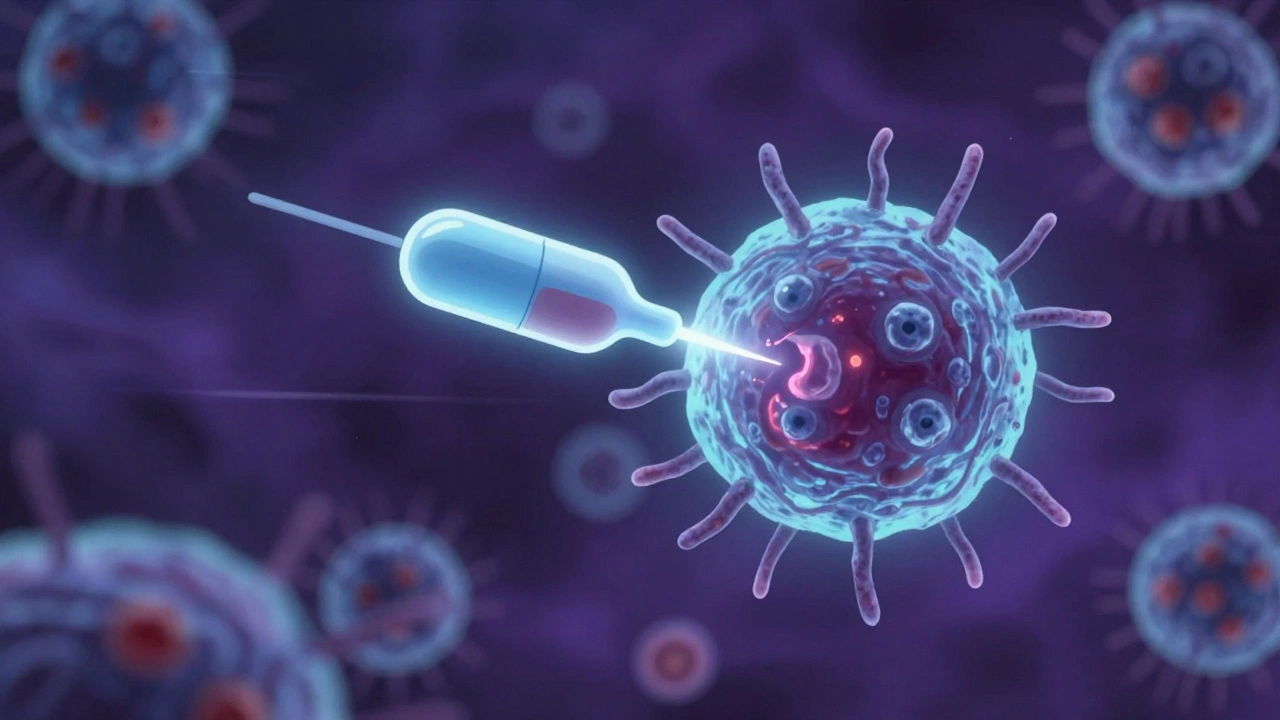
Chemotherapy: How Cytotoxic Drugs Work and Common Side Effects
Chemotherapy uses cytotoxic drugs to kill rapidly dividing cancer cells, but also affects healthy tissues, causing side effects like fatigue, nausea, and neuropathy. Learn how it works, why it's still essential, and how modern care helps manage its impact.