
Cataracts from Eye Drops: What You Need to Know About Risk and Prevention
When you use cataracts from eye drops, a known side effect of prolonged steroid use that clouds the eye’s natural lens. It’s not common, but it’s real—and it happens more often than most people realize. Many assume eye drops are harmless because they’re applied locally, but some can travel through your system or build up over time. The biggest culprit? steroid eye drops, prescription medications used to reduce inflammation in conditions like uveitis, allergies, or post-surgery recovery. When used for months or years, they can speed up the natural aging of your lens, leading to cloudiness and vision loss.
It’s not just steroids. glaucoma medications, especially those containing preservatives like benzalkonium chloride, have also been linked to lens changes in long-term users. Studies show people on daily eye drops for more than five years have a higher chance of developing cataracts earlier than those who don’t. This doesn’t mean you should stop your meds—many are life-saving for eye pressure control—but it does mean you should know the risks and talk to your doctor about monitoring your lens health.
Not all eye drops cause this. Antibiotic drops, artificial tears, and antihistamine drops rarely carry this risk. The problem is mostly with potent, long-term treatments. If you’ve been using steroid drops for more than three months, ask your eye doctor for a baseline lens check. If you’re on glaucoma meds and notice blurry vision, glare at night, or faded colors, don’t assume it’s just aging. It could be the drops.
There’s no magic fix, but you can reduce your risk. Use the lowest effective dose. Ask if there’s a preservative-free version. Never use someone else’s drops. And if you’re on long-term therapy, schedule regular eye exams that include a detailed lens evaluation—not just a quick pressure check.
The posts below dig into the real-world cases where eye drops led to vision changes, how doctors spot early signs, and what alternatives exist for managing inflammation without increasing cataract risk. You’ll find practical advice on when to push back on prescriptions, how to track changes in your vision, and which medications carry the highest hidden dangers. This isn’t about fear—it’s about knowing what’s in your bottle and how it might be changing your eyes over time.
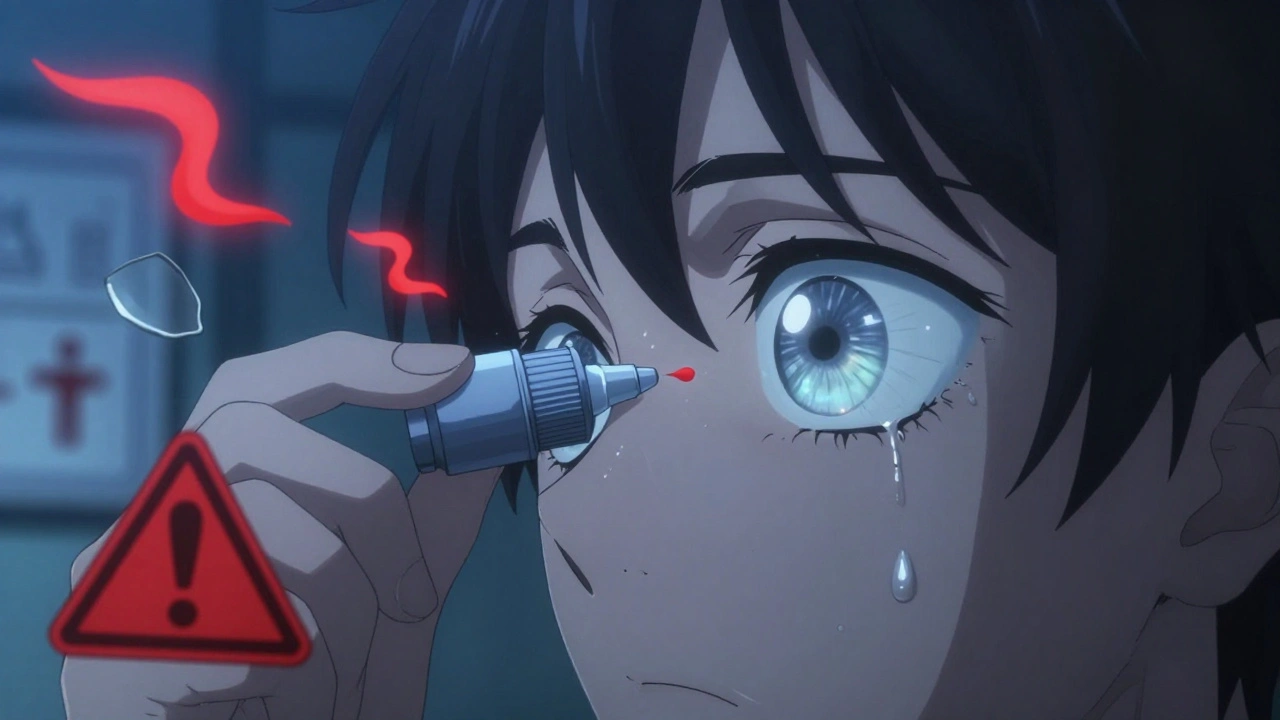
Steroid Eye Drops: Benefits, Risks, and What You Must Monitor
Steroid eye drops reduce inflammation fast but carry serious risks like glaucoma and cataracts. Learn how to use them safely, recognize warning signs, and ensure proper monitoring to protect your vision.