
Chemotherapy: What It Is, How It Works, and What You Need to Know
When you hear the word chemotherapy, a treatment that uses powerful drugs to destroy cancer cells by targeting rapidly dividing cells in the body. Also known as chemo, it's one of the most common ways to treat cancer, either alone or with surgery and radiation. It’s not just one drug—it’s a whole family of medications, each with different targets, side effects, and uses. Some are given as pills, others through IV, and some are injected directly into body cavities. The goal? To shrink tumors, stop cancer from spreading, or kill leftover cells after surgery.
Chemotherapy doesn’t just affect cancer cells. It hits any fast-growing cells in your body—that’s why side effects like hair loss, nausea, and low blood counts happen. But not everyone gets the same side effects. Some people feel fine for weeks; others need extra support like anti-nausea meds or growth factors to boost white blood cells. The chemotherapy drugs, specific medications like cisplatin, doxorubicin, and paclitaxel used to treat different cancers are chosen based on cancer type, stage, and your overall health. For example, breast cancer might use a combo of taxanes and anthracyclines, while leukemia often calls for high-dose regimens like cytarabine and daunorubicin.
Chemotherapy often works alongside other treatments. cancer treatment, a broad approach including surgery, radiation, immunotherapy, and targeted therapy, all aimed at eliminating or controlling cancer isn’t just about chemo. Many patients now get immunotherapy before or after chemo to help their immune system find and kill cancer cells left behind. Others use cancer care, the full range of medical, emotional, and practical support needed during and after cancer treatment to manage symptoms, stay nourished, and cope with stress. Even something as simple as using a spacer for inhalers or tracking insulin doses shows how precise and personal cancer care has become.
You might wonder if chemo is worth it. The answer isn’t the same for everyone. For some, it’s the difference between life and death. For others, it buys time, eases pain, or slows progression. What matters most is knowing your options, understanding the risks, and having a team that listens. That’s why so many posts here focus on how to talk to doctors about side effects, what to do when generics are substituted, and how to protect your body during treatment. Whether you’re a patient, caregiver, or just trying to understand what’s happening, the articles below give you real, practical advice—not theory. You’ll find tips on managing nausea, avoiding drug interactions with supplements, and even how to store meds safely during a move. This isn’t about fear. It’s about control. And you have more of it than you think.
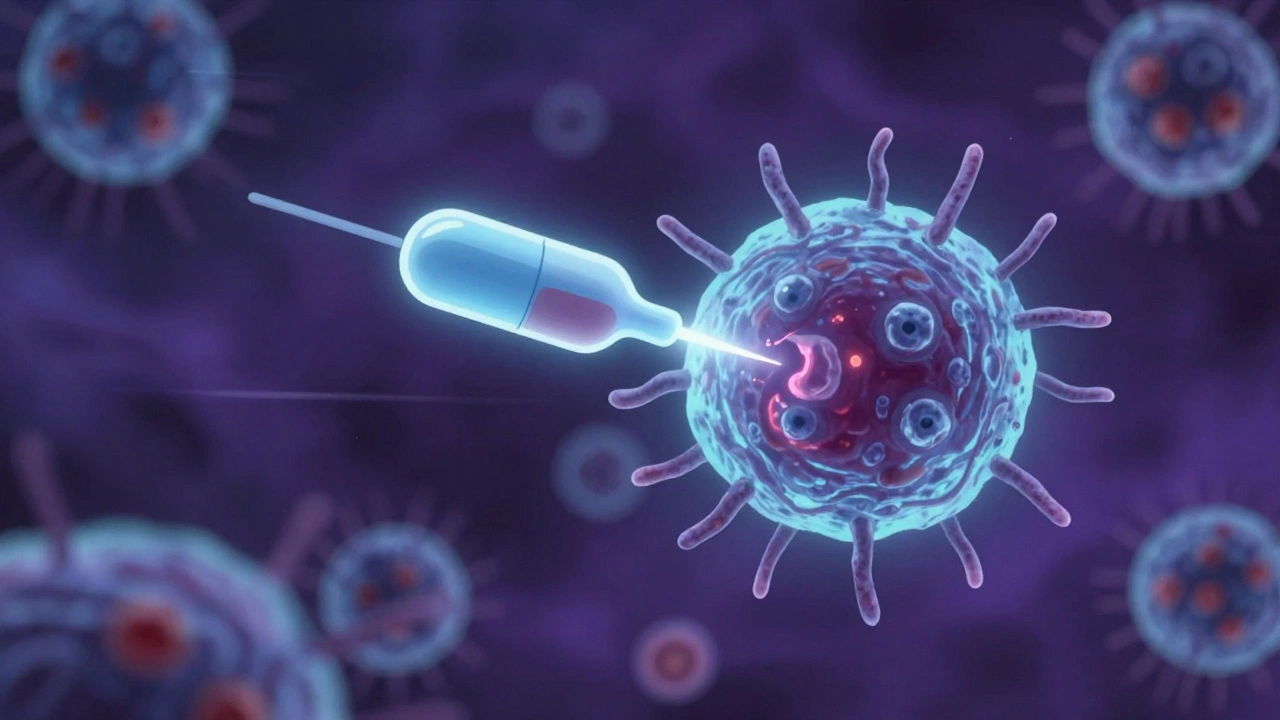
Chemotherapy: How Cytotoxic Drugs Work and Common Side Effects
Chemotherapy uses cytotoxic drugs to kill rapidly dividing cancer cells, but also affects healthy tissues, causing side effects like fatigue, nausea, and neuropathy. Learn how it works, why it's still essential, and how modern care helps manage its impact.