
Chemotherapy Mechanisms: How Cancer Drugs Work and What You Need to Know
When we talk about chemotherapy mechanisms, the biological processes by which drugs kill or slow cancer cells. Also known as cancer drug action, these mechanisms are what make chemotherapy both powerful and unpredictable. Unlike surgery or radiation, which target specific areas, chemotherapy travels through your bloodstream to reach cancer cells wherever they are. But here’s the catch: it doesn’t just hit cancer. It also hits fast-growing healthy cells — like those in your hair, gut, and bone marrow. That’s why side effects like nausea, hair loss, and fatigue happen.
There are several main types of chemotherapy drugs, chemical agents designed to interfere with cancer cell growth and division. Alkylating agents, for example, damage DNA directly so cells can’t copy themselves. Antimetabolites trick cells into using fake building blocks, causing them to die during replication. Topoisomerase inhibitors stop enzymes that untangle DNA during cell division. And plant alkaloids like vinca alkaloids block the tiny structures cells use to pull themselves apart. Each class works differently, and doctors often combine them to attack cancer from multiple angles — a strategy called combination therapy. This isn’t just science fiction; it’s standard practice in hospitals worldwide, backed by decades of clinical use.
What you won’t always hear is how cancer cell targeting, the ability of drugs to find and destroy cancer cells while sparing healthy ones is still imperfect. Some tumors evolve resistance, turning off the very pathways the drugs are designed to hit. Others hide in places where drugs can’t reach easily. That’s why chemotherapy isn’t a one-size-fits-all solution. It’s tailored based on cancer type, stage, genetics, and even your body’s ability to handle the stress. The goal isn’t always to cure — sometimes it’s to shrink tumors, slow progression, or ease symptoms. And while newer treatments like immunotherapy and targeted therapy are changing the game, chemotherapy remains a backbone of cancer care for most patients.
You’ll find posts here that dig into real-world issues tied to these mechanisms: why switching generic drugs can be risky for people on chemo, how side effects like diarrhea from certain drugs can be managed without quitting treatment, and how patients navigate decisions when their bodies react unpredictably. These aren’t abstract theories — they’re lived experiences. Whether you’re a patient, caregiver, or just trying to understand what’s happening, this collection gives you the facts without the fluff. What you’ll see below are practical stories from people who’ve been through it — and the science that explains why it happens the way it does.
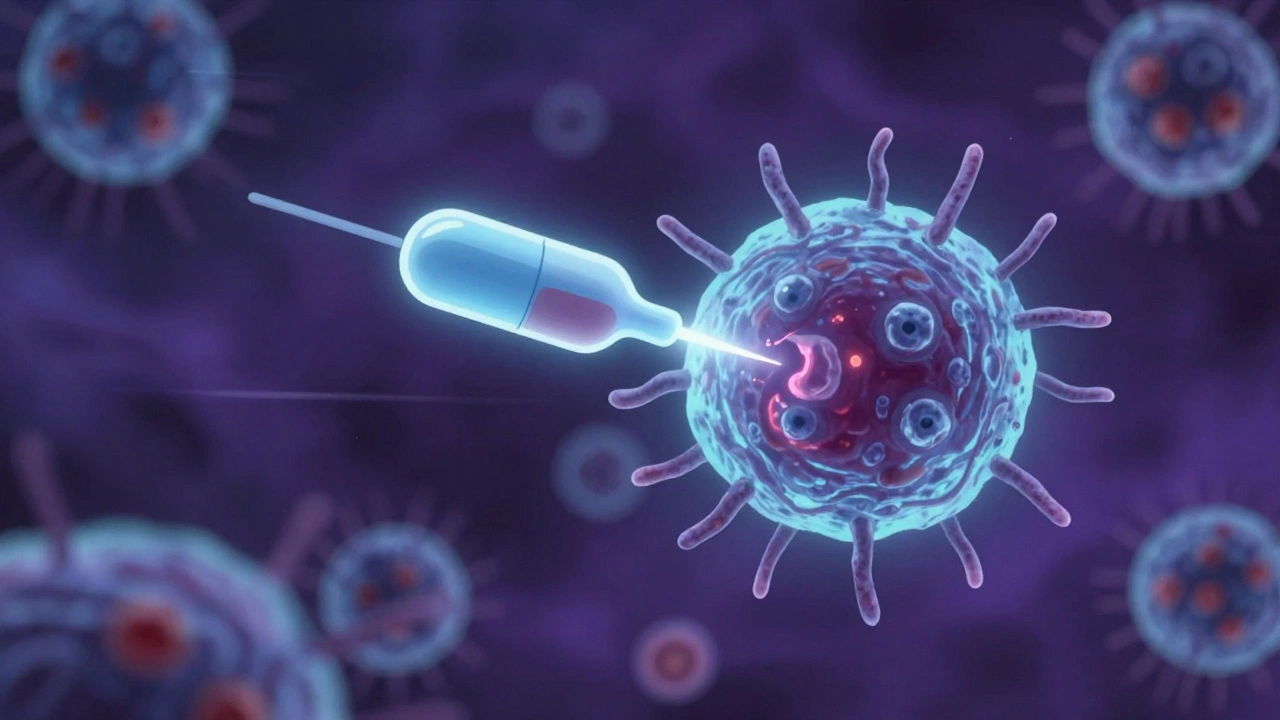
Chemotherapy: How Cytotoxic Drugs Work and Common Side Effects
Chemotherapy uses cytotoxic drugs to kill rapidly dividing cancer cells, but also affects healthy tissues, causing side effects like fatigue, nausea, and neuropathy. Learn how it works, why it's still essential, and how modern care helps manage its impact.