
Chemotherapy Side Effects: What to Expect and How to Manage Them
When you’re undergoing chemotherapy, a treatment that uses powerful drugs to kill cancer cells. Also known as chemo, it’s one of the most common ways to fight cancer—but it doesn’t just target cancer. It affects fast-growing healthy cells too, which is why side effects happen. These aren’t just mild discomforts. They’re real, measurable changes in your body that can last days, weeks, or longer—even after treatment ends.
Most people on chemotherapy deal with nausea and vomiting, especially in the first few days after an infusion. It’s not the same for everyone. Some feel fine with just a pill, while others need multiple anti-nausea drugs. Fatigue is even more common, and it’s not just being tired. It’s a deep, bone-weary exhaustion that sleep doesn’t fix. Then there’s immune suppression. Chemo lowers your white blood cell count, making even a cold potentially dangerous. That’s why many patients avoid crowds, wash hands constantly, and check their temperature daily.
These side effects don’t happen in isolation. Nausea can lead to poor nutrition, which worsens fatigue. Low immunity increases infection risk, which forces hospital visits and delays more treatment. It’s a chain reaction—and that’s why managing one symptom often helps with others. Eating small, bland meals helps nausea. Light walking helps fatigue. Vaccines and avoiding sick people help immunity. You’re not just waiting it out. You’re actively managing a system under stress.
Some side effects are less talked about but just as real. Mouth sores make swallowing painful. Hair loss isn’t just cosmetic—it changes how you see yourself. Nerve damage can make your hands tingle or your feet feel numb. And then there’s the emotional toll: anxiety, depression, brain fog. These aren’t "in your head." They’re biological responses to powerful drugs and the stress of cancer itself.
What you’ll find below are real, practical guides from people who’ve been through this. How to handle chemo-induced diarrhea without quitting treatment. What to do when your nails start falling off. Why some people get severe mouth sores and others don’t. How to talk to your doctor when side effects feel out of control. These aren’t theory pieces. They’re lived experiences, backed by medical evidence, written to help you feel less alone and more in charge.
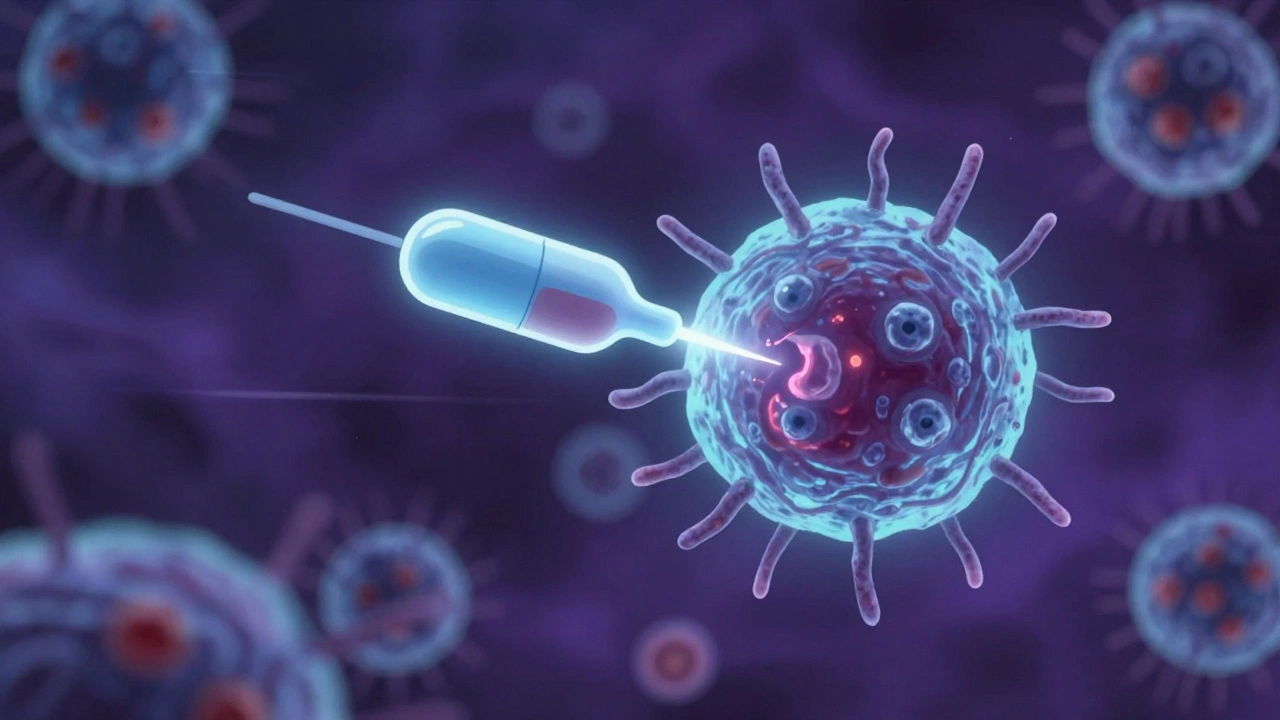
Chemotherapy: How Cytotoxic Drugs Work and Common Side Effects
Chemotherapy uses cytotoxic drugs to kill rapidly dividing cancer cells, but also affects healthy tissues, causing side effects like fatigue, nausea, and neuropathy. Learn how it works, why it's still essential, and how modern care helps manage its impact.