
Corticosteroid Eye Drops: What They Are, How They Work, and What to Watch For
When your eyes are red, swollen, or burning from inflammation, corticosteroid eye drops, a powerful class of anti-inflammatory medications used to treat eye conditions like uveitis, allergic conjunctivitis, and post-surgical swelling. Also known as steroid eye drops, they work by calming the immune system’s overreaction in the eye—slowing down the cells that cause redness, itching, and swelling. But these aren’t ordinary drops. They’re strong medicine, and using them without guidance can do more harm than good.
These drops are often prescribed after eye surgery, for severe allergies, or when other treatments fail. They’re not for everyday dry eyes or minor irritation. Eye inflammation, the underlying condition these drops target can come from autoimmune disorders, infections, or trauma—and corticosteroids only treat the symptom, not the cause. That’s why they’re always paired with a diagnosis. If you’re using them long-term, your doctor will monitor for pressure spikes in your eye, which can lead to glaucoma, a silent condition that damages the optic nerve, or cataracts, which cloud your vision over time. Even if your symptoms disappear, stopping these drops suddenly can cause a rebound flare-up. Tapering off is often required.
What you won’t always hear is how often people misuse them. Some grab leftover drops from a previous prescription. Others buy them online without a prescription because they’re cheap and fast-acting. But corticosteroid eye drops can mask infections—like herpes or fungal keratitis—making them worse. A simple red eye could turn into a corneal ulcer that threatens your sight. That’s why these drops are never OTC in most countries. They’re controlled for a reason.
What you’ll find in the posts below are real stories and facts about how these drops fit into broader health patterns. You’ll read about how steroid use connects to immune suppression after transplants, how herbal supplements can interfere with eye meds, and why even small changes in medication routines—like switching generics—can trigger unexpected side effects. Some posts show how patients handle long-term steroid use, others warn about the risks of self-medicating. There’s no fluff here. Just what you need to know to use corticosteroid eye drops safely—or avoid them altogether if there’s a better option.
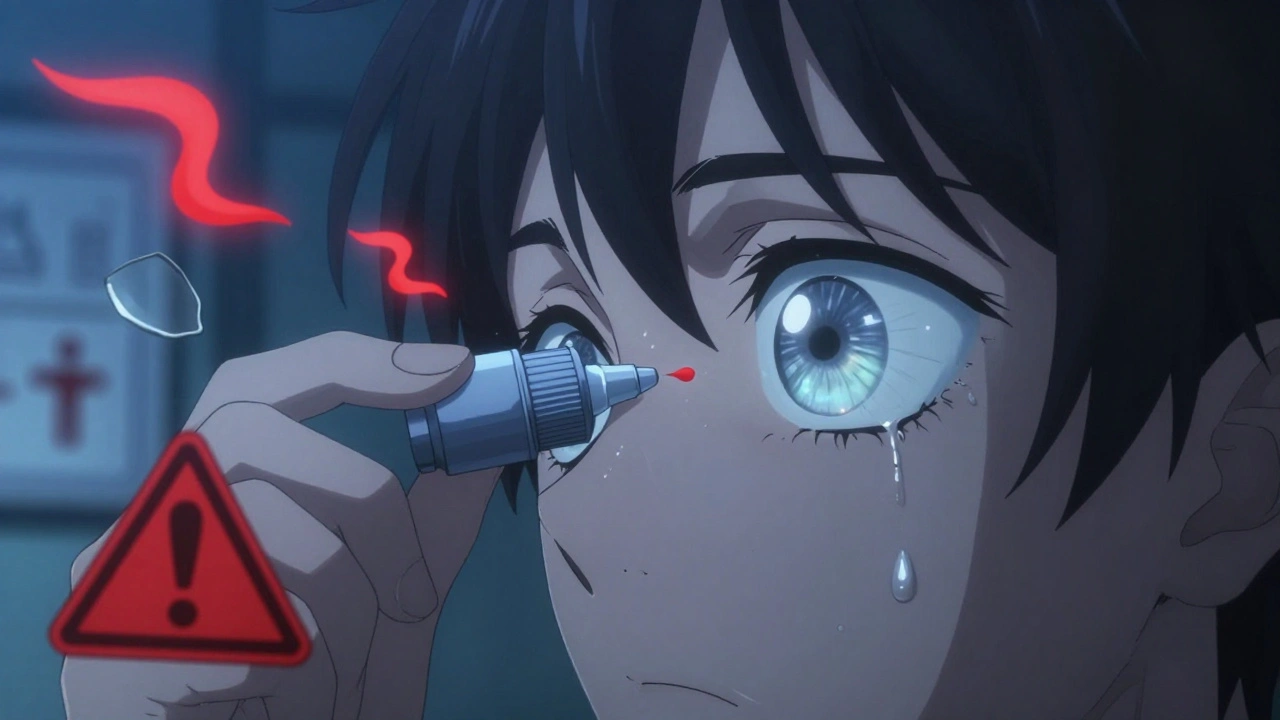
Steroid Eye Drops: Benefits, Risks, and What You Must Monitor
Steroid eye drops reduce inflammation fast but carry serious risks like glaucoma and cataracts. Learn how to use them safely, recognize warning signs, and ensure proper monitoring to protect your vision.