
Cytotoxic Drugs: What They Are, How They Work, and What You Need to Know
When you hear the term cytotoxic drugs, powerful medications designed to kill or damage cells, especially those that grow quickly like cancer cells. Also known as chemotherapy agents, they are the backbone of cancer treatment for millions around the world. But they don’t just target cancer. These drugs attack any fast-dividing cell — which is why hair follicles, gut lining, and bone marrow often pay the price. That’s why side effects like nausea, fatigue, hair loss, and low blood counts are so common.
Not all cytotoxic drugs work the same way. Some, like alkylating agents, chemicals that damage DNA directly to stop cancer cells from dividing, are used for leukemia and lymphoma. Others, like antimetabolites, fake building blocks that trick cells into using them instead of real ones, causing cellular chaos, are common in breast and colon cancer. Then there are plant alkaloids, natural compounds derived from plants that block cell division at specific points, used in treating lung and testicular cancers. Each type has different risks, timing, and combinations — and knowing which one you’re on matters.
These drugs aren’t used alone. They’re often part of a combo, like a three-drug cocktail, to hit cancer from multiple angles. But that also means more side effects. That’s why doctors monitor blood counts closely, adjust doses, and sometimes delay treatment. Patients often wonder: is this worth it? The answer depends on the cancer type, stage, and how the body responds. Some people tolerate these drugs well. Others need support meds, like anti-nausea pills or growth factors to boost white blood cells. And for some, newer treatments like targeted therapy or immunotherapy are replacing or reducing the need for cytotoxic drugs altogether.
You’ll find posts here that explain why switching generics can be risky with certain chemo drugs, how to manage diarrhea from chemotherapy, and what to watch for when combining these drugs with supplements like St. John’s wort. There’s advice on protecting your immune system during treatment, how to talk to your pharmacist about drug interactions, and why some people react differently to the same chemo regimen. These aren’t theoretical guides — they’re real experiences from patients and providers who’ve been through it.
Whether you’re starting treatment, supporting someone who is, or just trying to understand what these drugs really do, this collection gives you the facts without the fluff. No jargon. No hype. Just what you need to know to ask the right questions and make smarter choices.
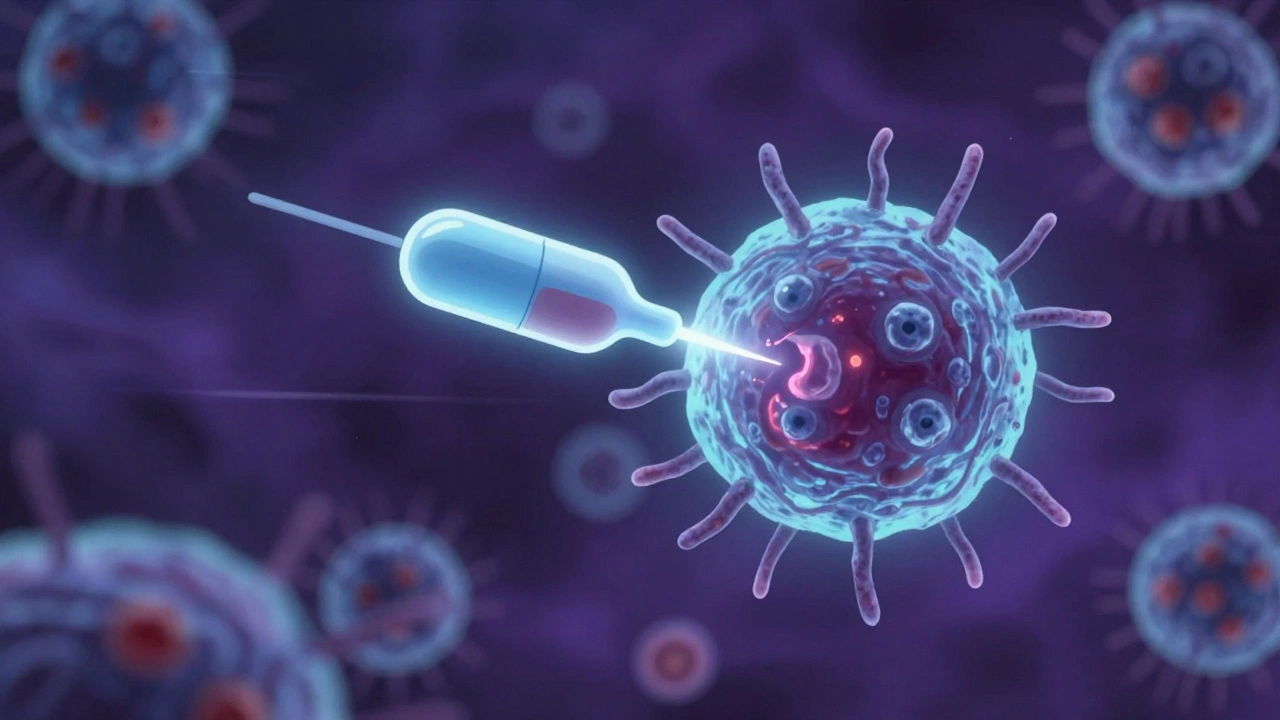
Chemotherapy: How Cytotoxic Drugs Work and Common Side Effects
Chemotherapy uses cytotoxic drugs to kill rapidly dividing cancer cells, but also affects healthy tissues, causing side effects like fatigue, nausea, and neuropathy. Learn how it works, why it's still essential, and how modern care helps manage its impact.