
Decision Aids: Tools to Make Smarter Health Choices
When you’re facing a health decision—whether it’s choosing a medication, deciding on surgery, or picking a treatment for a chronic condition—you’re not just looking for facts. You need clarity. That’s where decision aids, tools designed to help patients understand their options and make informed choices alongside their healthcare providers. Also known as patient decision aids, they turn confusing medical jargon into plain language so you know what matters most to you. These aren’t just brochures or websites. They’re structured tools that walk you through risks, benefits, and personal values. Think of them as a compass when the path forward feels unclear.
Decision aids are used every day in real-world settings. For someone with diabetes deciding between insulin or an oral medication, a decision aid might show how each option affects daily life, not just blood sugar numbers. For a person considering surgery for weight loss, it breaks down success rates, recovery time, and long-term risks—not just the doctor’s recommendation. In hospitals, pharmacists use them to explain why switching to a generic might be safe—or risky—based on your condition. They’re especially helpful for treatments with trade-offs: shared decision making, a process where patients and providers collaborate using clear information to choose the best path isn’t just a buzzword. It’s what happens when you’re handed a tool that says, "Here’s what works, here’s what doesn’t, and here’s what matters to you." You’ll find decision aids in use across many of the posts below. For example, when comparing Nolvadex to other breast cancer treatments, or weighing GLP-1 drugs for weight loss against their side effects, decision aids help you weigh trade-offs. They’re behind the scenes in posts about switching generics, managing insulin allergies, or choosing between ED medications. They don’t tell you what to do—they help you figure out what you’re comfortable with. Whether you’re dealing with high blood pressure, depression, or a rare condition like hemophilia, the right decision aid gives you power, not pressure.
What you’ll find in this collection isn’t theory. It’s real stories from people who used these tools to avoid mistakes, reduce anxiety, and take control. From understanding why QD and QID mix-ups cause dangerous errors, to knowing when to flag a risky generic, the posts here show how decision aids protect you at every step. You won’t find fluff. Just clear, practical help for making health choices that stick.
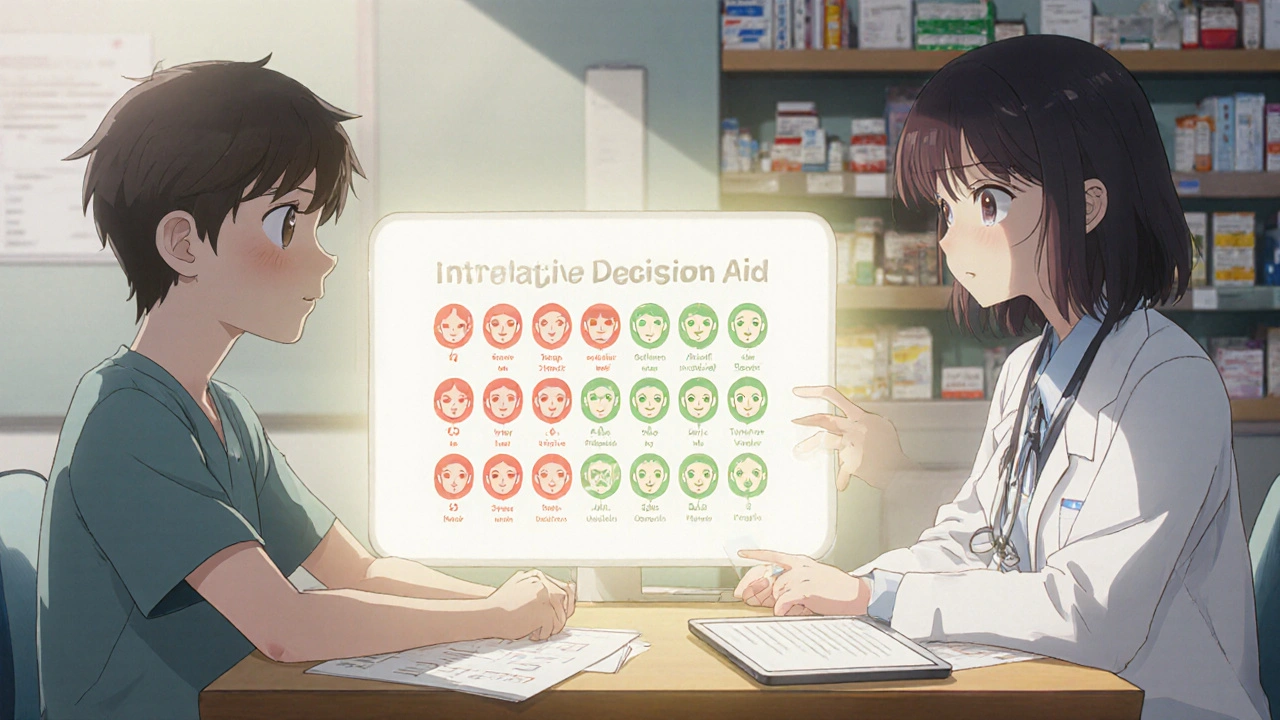
Decision Aids for Switching Medications: Understand the Risks and Benefits
Decision aids help patients understand the real risks and benefits of switching medications, using clear data and personal values to guide choices. They reduce confusion, improve adherence, and put you in control of your treatment.