
Drug Decision-Making: How to Choose Safely and Stay in Control
When you're deciding which drug decision-making, the process of choosing the right medication based on your health, risks, and personal needs. It's not just about what your doctor prescribes—it's about understanding why, when to question it, and how to spot hidden dangers. Every choice you make—from switching to a generic pill to adding an herbal supplement—can change how your body responds. This isn't theory. Real people have ended up in the hospital because they didn’t know that a tiny change in a blood thinner like warfarin could cause a stroke, or that a common herbal remedy like St. John’s wort could trigger organ rejection after a transplant.
Drug decision-making involves more than just reading a label. It’s about recognizing when a narrow therapeutic index, a range where the difference between a helpful dose and a dangerous one is extremely small. Drugs like phenytoin, lithium, and warfarin fall into this category. Even a 10% change in how your body absorbs the drug can be life-threatening. That’s why switching generics for these isn’t just a cost-saving move—it’s a risk you need to understand before you agree to it. Then there’s medication switching, the act of changing from one drug to another, whether due to cost, side effects, or doctor recommendations. Many assume all versions of a drug are the same, but that’s not true. People report new side effects after switching to generics—not because they’re imagining it, but because the formulation, fillers, or release timing can vary enough to affect how the drug works in their body. And let’s not forget medication safety, the practice of avoiding harm from drugs through proper use, storage, and awareness of interactions. A simple mistake like confusing QD (once daily) with QID (four times daily) has killed people. Storing insulin wrong during a move. Taking a sleep aid that clouds your thinking for months. These aren’t rare events—they’re preventable, and they happen every day.
You don’t need to be a pharmacist to make smarter choices. You just need to ask the right questions: Why this drug and not another? What happens if I miss a dose? Could this interact with my supplements? Is there a safer way to get the same result? The posts below cover exactly these moments—the real-life situations where decisions go wrong, and more importantly, how to get them right. From steroid eye drops that can blind you if misused, to insulin allergies you didn’t know existed, to how to safely store your meds during a home renovation—this collection gives you the tools to take back control. No fluff. No jargon. Just what you need to know before you take the next pill.
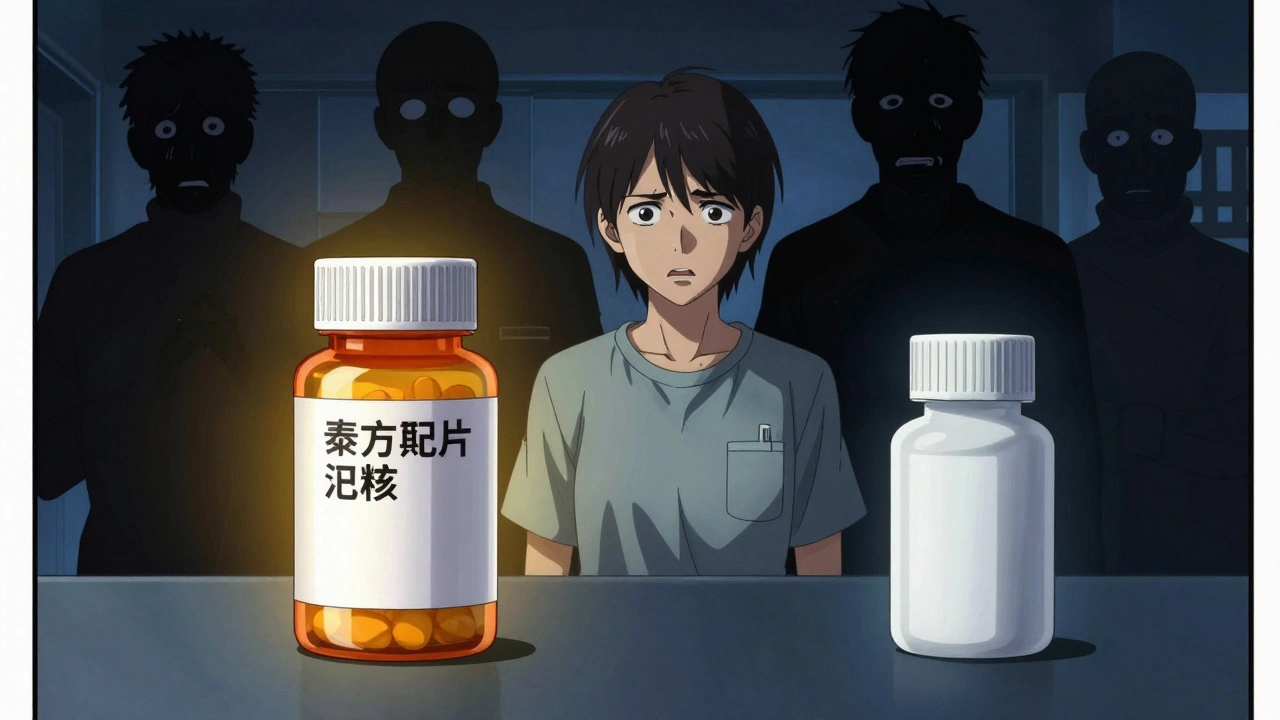
Behavioral Economics: Why Patients Choose Certain Drugs Over Others
Behavioral economics explains why patients often choose expensive drugs over cheaper, equally effective options. Discover how psychological biases like loss aversion and present bias shape medication decisions-and how simple nudges can improve adherence.