
Herbal Medicine Risks: What You Need to Know Before Using Natural Remedies
When people think of herbal medicine, plant-based treatments used to treat or prevent illness. Also known as phytotherapy, it's often seen as a gentler, more natural alternative to prescription drugs. But calling it "natural" doesn’t make it safe. Many people assume that if something comes from a plant, it can’t hurt you. That’s a dangerous myth. Herbal medicine risks include serious liver damage, dangerous drug interactions, and even fatal side effects—especially when used without medical oversight.
Take kava, a root used for anxiety and stress relief. Studies have linked it to severe liver injury, leading to bans in several countries. Or St. John’s wort, a popular supplement for mild depression. It can cut the effectiveness of birth control pills, blood thinners like warfarin, and even some cancer drugs. These aren’t rare cases—they’re well-documented. Even something as simple as garlic supplements can thin your blood, which becomes risky if you’re scheduled for surgery or taking anticoagulants. And let’s not forget comfrey, a herb sometimes used for joint pain. It contains toxins that can cause irreversible liver damage when taken orally.
Unlike prescription drugs, herbal products aren’t required to prove safety or effectiveness before hitting the shelf. Labels often don’t list active ingredients accurately, and contamination with heavy metals, pesticides, or even hidden pharmaceuticals happens more often than you’d think. One study found that nearly 20% of herbal supplements contained undeclared drugs—including steroids and erectile dysfunction pills. That’s not just misleading—it’s dangerous.
People with chronic conditions are especially vulnerable. If you’re on immunosuppressants after a transplant, taking herbal remedies could trigger organ rejection. If you have diabetes, certain herbs can mess with your blood sugar in unpredictable ways. Even something as common as echinacea might interfere with your body’s response to infections. And because most doctors aren’t trained in herbal medicine, they might not ask about it—leaving you at risk without even knowing it.
The truth is, herbal medicine isn’t a free pass to self-treat. It’s a powerful tool—and like any tool, it can harm you if used wrong. The same posts in this collection cover how steroid eye drops can cause glaucoma, why switching to generics can trigger side effects, and how anticholinergic drugs affect memory. These aren’t separate issues. They’re all part of the same pattern: assuming safety because something is common, familiar, or labeled "natural." That mindset gets people hurt.
Below, you’ll find real stories and hard facts about what happens when herbal remedies go wrong. You’ll learn which ones are most likely to damage your liver, which ones clash with common prescriptions, and how to spot a dangerous product before you buy it. This isn’t about fear—it’s about awareness. Your health doesn’t care if it came from a lab or a forest. What matters is whether it’s safe for you.
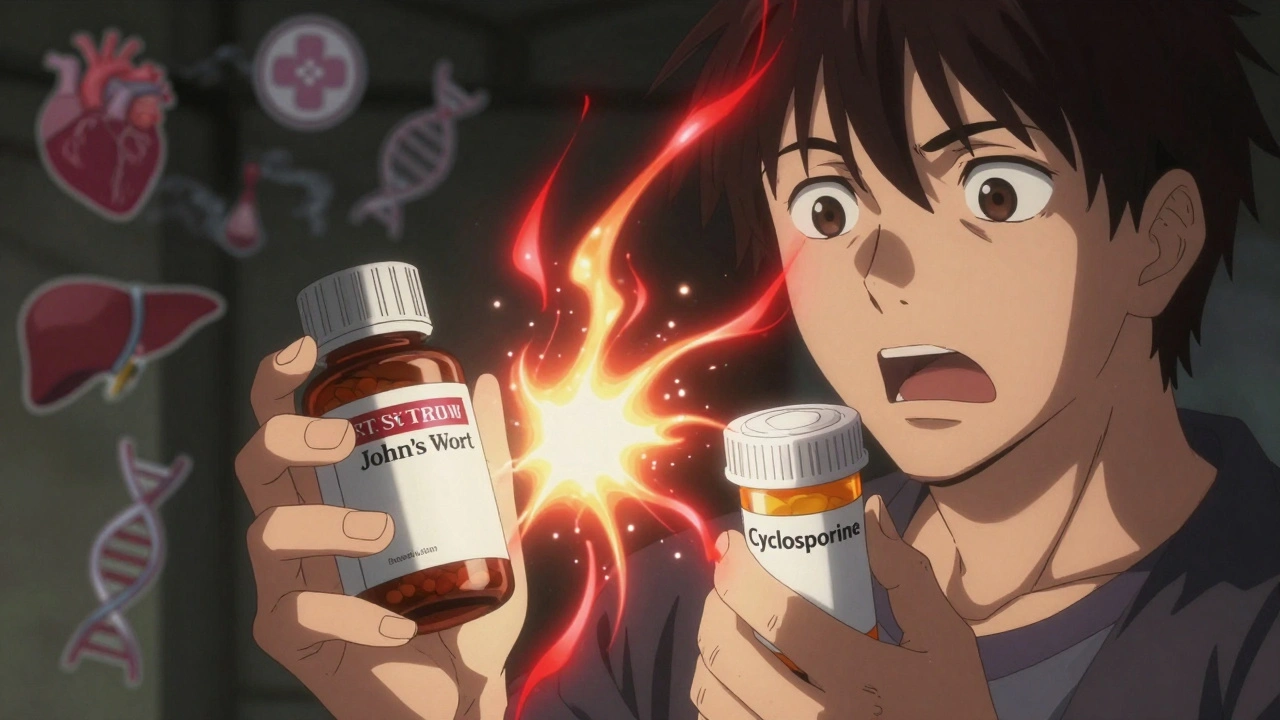
Herbal Supplements and Drug Interactions: What You Need to Know for Safety
Herbal supplements can dangerously interact with prescription drugs, reducing effectiveness or causing toxic buildup. St. John’s wort, ginkgo, and danshen are among the riskiest, with documented cases of organ rejection, bleeding, and heart issues. Always talk to your doctor before combining herbs with meds.