
Herbal Supplements: What They Are, How They Work, and What You Need to Know
When people talk about herbal supplements, plant-based products used to support health, often taken instead of or alongside prescription drugs. Also known as natural remedies, they include everything from echinacea to turmeric and St. John’s wort. Unlike prescription meds, these aren’t tested the same way. That’s why some work, some do nothing, and a few can actually hurt you.
Dietary supplements, products taken by mouth that contain ingredients meant to add to the diet. Also known as nutritional supplements, they include vitamins, minerals, and herbs. The FDA doesn’t approve them before they hit the shelf. That means a bottle labeled "100% natural" could still have fillers, contaminants, or even hidden prescription drugs. People take them for sleep, stress, energy, or immune support—but not all claims are backed by science. For example, echinacea might slightly shorten colds in some people, but most studies show it doesn’t prevent them. Turmeric has real anti-inflammatory properties, but you’d need way more than what’s in a capsule to see real results.
Plant-based medicine, the use of whole plants or extracts for healing, rooted in traditional practices across cultures. This isn’t new. Ancient Egyptians used aloe for burns. Chinese medicine has used ginseng for thousands of years. But modern science is only now catching up. Some herbs interact dangerously with common meds. St. John’s wort can make birth control, blood thinners, and antidepressants useless. Garlic supplements can thin your blood too much before surgery. Even something as simple as ginger can affect blood sugar levels in diabetics.
What you find in the posts below isn’t marketing fluff. These are real-world stories: people who switched from pills to herbs and got worse, others who found relief after doctors gave up. You’ll see how supplements affect blood pressure, liver function, and even mental health. Some posts warn about fake products sold online. Others explain how to tell if a supplement has been tested properly. You’ll learn which ones actually have clinical backing—and which ones are just expensive sugar pills with a leaf on the label.
There’s no magic here. Herbal supplements aren’t safer just because they come from plants. They’re powerful. And like any medicine, they need respect. The goal isn’t to scare you off. It’s to help you make smart choices—so you don’t waste money, risk your health, or accidentally mess up your treatment plan.

Pre-Surgical Disclosure of Supplements: What Surgeons Need to Know
Pre-surgical supplement disclosure is critical to preventing bleeding, anesthesia failures, and complications. Surgeons must ask specific questions, verify supplements with patient bottles, and follow specialty-specific guidelines to reduce complications by up to 22%.
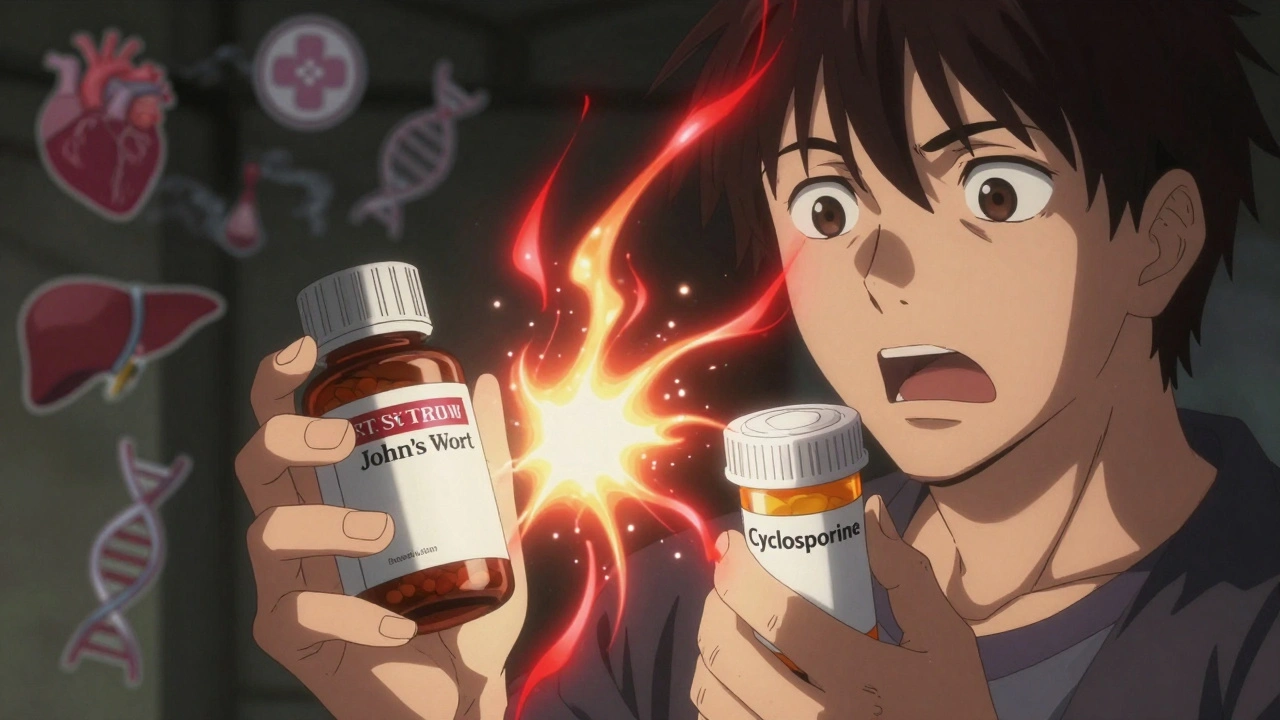
Herbal Supplements and Drug Interactions: What You Need to Know for Safety
Herbal supplements can dangerously interact with prescription drugs, reducing effectiveness or causing toxic buildup. St. John’s wort, ginkgo, and danshen are among the riskiest, with documented cases of organ rejection, bleeding, and heart issues. Always talk to your doctor before combining herbs with meds.