
Medication Errors: How Mistakes Happen and How to Prevent Them
When you take a pill, you expect it to help—not hurt. But medication errors, mistakes in prescribing, dispensing, or taking medicine that can lead to harm. Also known as drug errors, these aren’t rare accidents—they’re systemic problems that happen every day in homes, clinics, and pharmacies. A doctor writes a script, a pharmacist fills it, you take it wrong, or a label gets misread. One small slip—like mixing up QD and QID—can mean taking four times the dose. That’s not hypothetical. Studies show over 7,000 people die each year in the U.S. from preventable medication errors. And it’s not just about dosing. It’s about the generic pill that feels different. The inhaler you’re not using right. The sleep aid that’s fogging your memory. The antibiotic you don’t need but took anyway.
Prescription errors, mistakes in how a drug is ordered or written. Also known as writing errors, they often come from bad handwriting, rushed notes, or outdated abbreviations. QD means once daily. QID means four times daily. But in busy clinics, those letters get blurred, misread, or auto-filled wrong. That’s how someone ends up taking a daily pill four times a day—and ends up in the ER. Then there’s generic drug safety, how switching to a cheaper version can sometimes trigger side effects or reduce effectiveness. Also known as therapeutic equivalence issues, this matters most for drugs with a narrow therapeutic index—like thyroid meds, seizure drugs, or blood thinners. Your body isn’t fooled by the brand name change. It feels the difference in how the pill dissolves, how it’s absorbed, how it works. And dosing confusion, when patients misunderstand how often or how much to take. Also known as medication adherence errors, it’s not just about forgetting pills. It’s about thinking "take one before bed" means "take one whenever I remember," or not knowing that an inhaler needs a spacer to work at all. Pharmacists are trained to catch these. But they can’t catch what they don’t see. That’s why you need to ask: "Is this the same as my old pill?" "Why am I taking this?" "What happens if I miss a dose?"
What you’ll find below isn’t just a list of articles. It’s a practical toolkit. You’ll learn how to spot dangerous abbreviations like QD vs QID, when to question a generic switch, how to use an inhaler correctly, why some antidepressants cause diarrhea—and how to keep taking them anyway. You’ll see how anticholinergic drugs quietly harm memory in older adults, how insulin allergies show up, and why some vaccines are unsafe if you’re on immunosuppressants. These aren’t abstract risks. They’re real, daily decisions. And you have more power than you think to stop them before they happen.
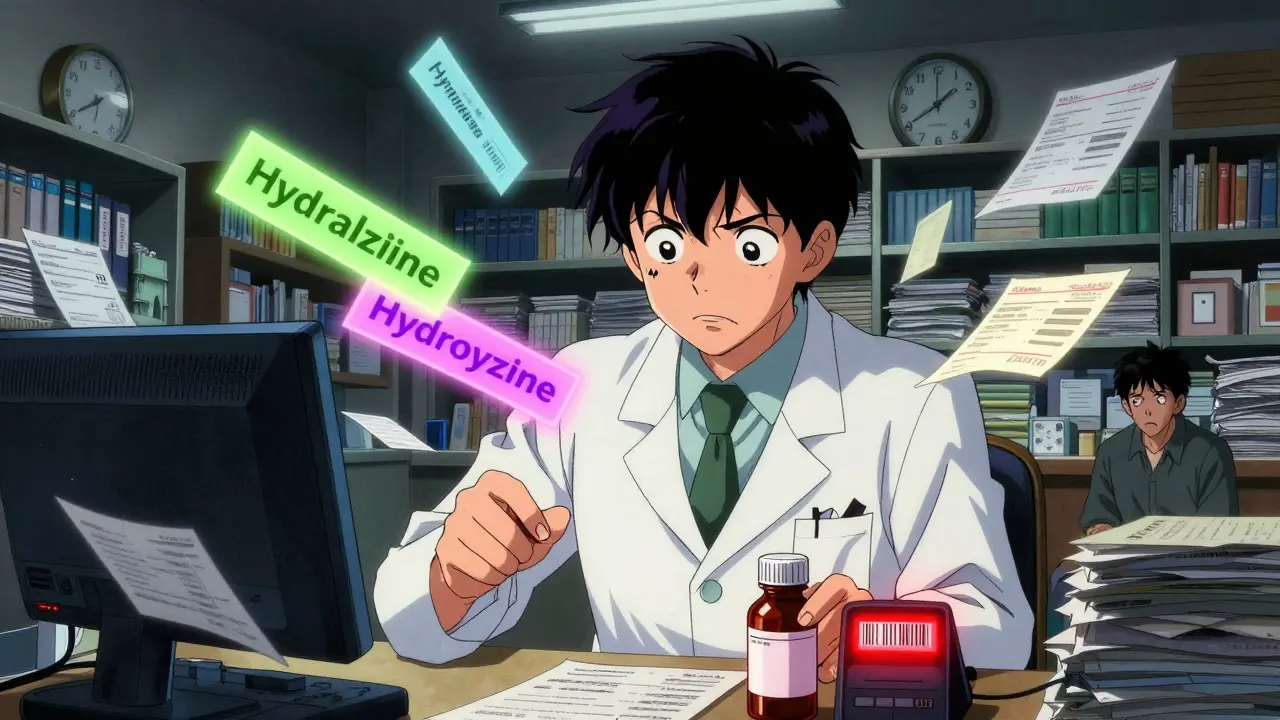
Common Pharmacy Dispensing Errors and How to Prevent Them
Pharmacy dispensing errors cause thousands of preventable harms every year. Learn the most common types, why they happen, and the proven strategies that actually reduce mistakes - from barcode scanning to double-checks and electronic prescribing.
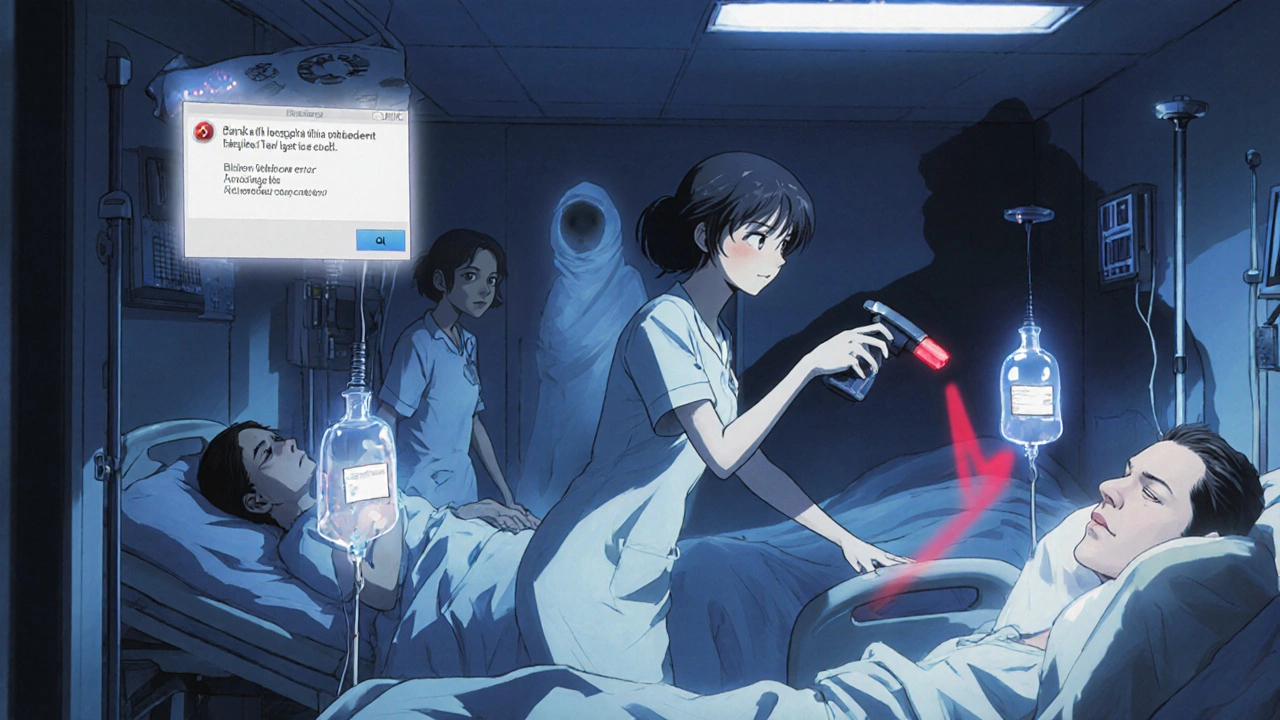
Medication Errors in Hospitals vs. Retail Pharmacies: What You Need to Know
Medication errors are common in both hospitals and retail pharmacies, but they differ in frequency, type, and impact. Learn how errors happen, why they’re dangerous, and what you can do to protect yourself.