
Medication Storage: How to Keep Your Pills Safe, Effective, and Ready to Use
When you buy medicine, you’re not just paying for the drug—you’re paying for its medication storage, the conditions under which a drug remains stable, potent, and safe to use. Also known as drug storage, it’s the unseen step that keeps your pills from turning into useless—or even harmful—chunks of powder. Most people think if the bottle is sealed, the medicine is fine. But heat, light, moisture, and even the bathroom cabinet can quietly ruin your treatment.
Drug safety, the practice of handling and storing medications to prevent harm starts the moment you take the bottle home. Think about insulin—it needs refrigeration, or it loses effectiveness fast. Or amoxicillin suspension: if left unrefrigerated, it can grow bacteria. Even common pills like nitroglycerin can lose their punch in a hot car. The storage conditions, the temperature, humidity, and light exposure a medication requires to stay stable aren’t just suggestions—they’re science-backed limits. The FDA and WHO both warn that improper storage contributes to treatment failure, especially in older adults and people managing chronic conditions like diabetes or heart disease.
And it’s not just about temperature. Moisture is a silent killer. That bottle in your bathroom? The steam from your shower can make pills stick together, break down, or even grow mold. Light matters too—tetracycline turns toxic in sunlight, and some antidepressants degrade fast when exposed to UV. Medicine shelf life, how long a drug remains effective under proper storage isn’t just the expiration date on the label. It’s the date you opened it, the humidity where you kept it, and whether you left it in a glove compartment during summer. Many people don’t realize that once you break the seal, the clock starts ticking faster.
What about organization? Mixing pills in a daily pillbox is fine—but only if you keep it cool and dry. A plastic bag in your purse? That’s a risk. Heat and movement can crush tablets, blur labels, and cause accidental double-dosing. People with multiple prescriptions often mix up meds because they’re stored haphazardly. That’s not just inconvenient—it’s dangerous. Simple habits like using opaque, airtight containers, labeling clearly, and keeping everything away from kids and pets make a huge difference.
You’ll find posts here that dig into real-world mistakes: how people ruin insulin by leaving it in the sun, why some generics fail faster when stored wrong, and how breastfeeding moms safely store pumped milk while on meds. You’ll see why pharmacists warn against keeping pills in the fridge unless told to, and how humidity in Australia or Florida can wreck meds faster than you think. These aren’t theoretical concerns—they’re everyday errors that lead to hospital visits.
Proper medication storage isn’t about being perfect. It’s about being aware. You don’t need fancy containers or climate control. You just need to know where not to put your pills—and what to do when things go wrong. The articles below give you the exact steps, the hidden risks, and the simple fixes that keep your meds working—every single day.
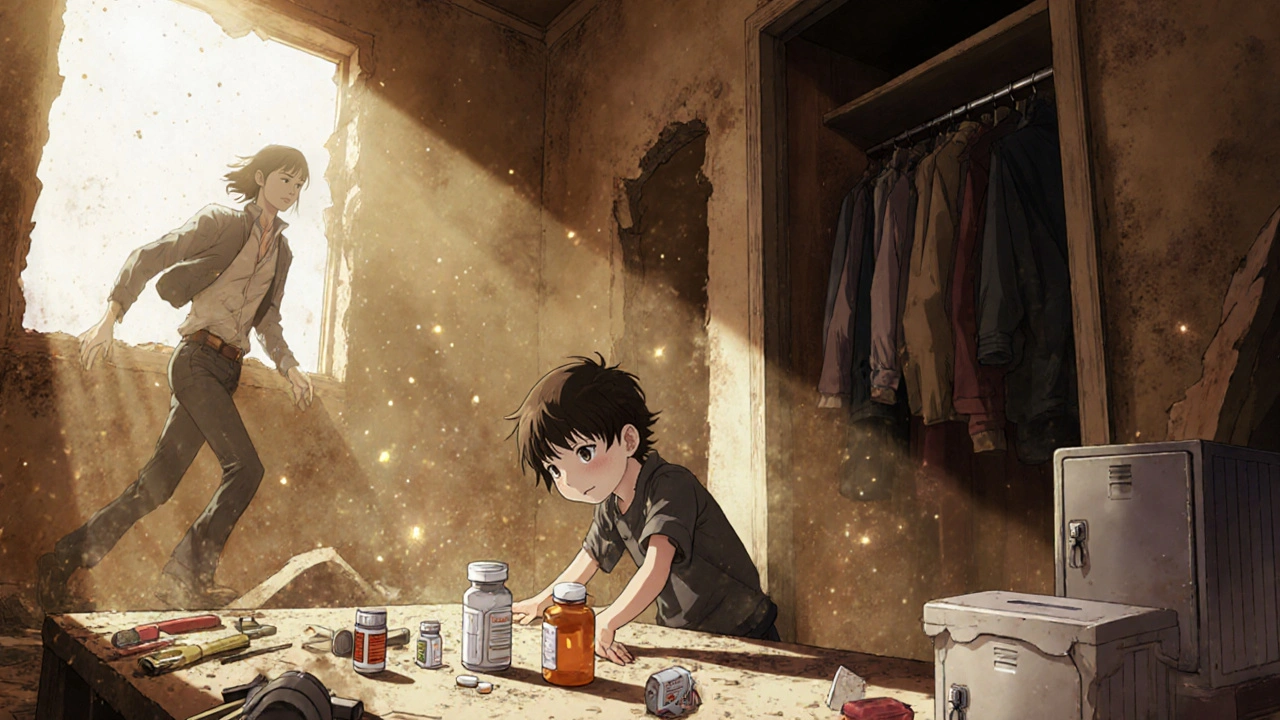
How to Secure Medications During Home Renovations or Moves
Learn how to safely store, transport, and dispose of medications during home renovations or moves to prevent accidental access, damage, or overdose. Essential tips for families in Sydney and beyond.