
Narrow Therapeutic Index: What It Means and Why It Matters for Your Medications
When a medication has a narrow therapeutic index, the range between an effective dose and a toxic dose is very small. Also known as a narrow therapeutic window, this means even a slight mistake in dosage can lead to serious harm—or even death. It’s not just about taking too much. Sometimes, taking too little makes the drug useless. This isn’t theoretical—it’s why doctors and pharmacists double-check prescriptions for drugs like warfarin, digoxin, and lithium every single time.
These drugs don’t play nice with changes. A tiny shift in how your body absorbs them—because of food, other meds, or even a change in liver function—can push you over the edge. That’s why patients on these drugs often need regular blood tests. It’s not because they’re high-maintenance; it’s because the margin for error is razor-thin. Think of it like driving a sports car with no speedometer. You know you need to go fast, but one wrong tap on the gas and you’re in trouble. That’s what a narrow therapeutic index feels like for your body.
Many of the medications in our collection fall into this high-risk category. You’ll find posts about warfarin, a blood thinner where even a 10% dose change can cause bleeding or clots, and digoxin, a heart drug where toxicity can trigger dangerous irregular rhythms. Others, like lithium, used for bipolar disorder, requires constant monitoring because kidney function affects its levels. Even common antibiotics like vancomycin, used for serious infections, demand precise dosing to avoid kidney damage. These aren’t rare edge cases—they’re daily realities in hospitals and clinics.
And it’s not just about the drug itself. How you take it matters. Skipping meals, mixing with herbal supplements, or switching brands can all throw off your balance. That’s why medication errors—like confusing QD with QID, or misreading a prescription—are especially dangerous with these drugs. Our posts cover how these mistakes happen, how to spot them, and how to protect yourself. You’ll also find guides on managing side effects, understanding drug interactions, and working with your pharmacy to avoid traps.
If you’re taking any medication with a narrow therapeutic index, you’re not alone. But you need to be extra careful. The good news? With the right knowledge, you can manage it safely. The posts here give you real-world tools: how to track your doses, when to ask for blood tests, what questions to ask your doctor, and how to recognize early signs of toxicity. This isn’t about fear. It’s about control. You don’t have to guess. You can know. And that’s the difference between getting better—and getting hurt.
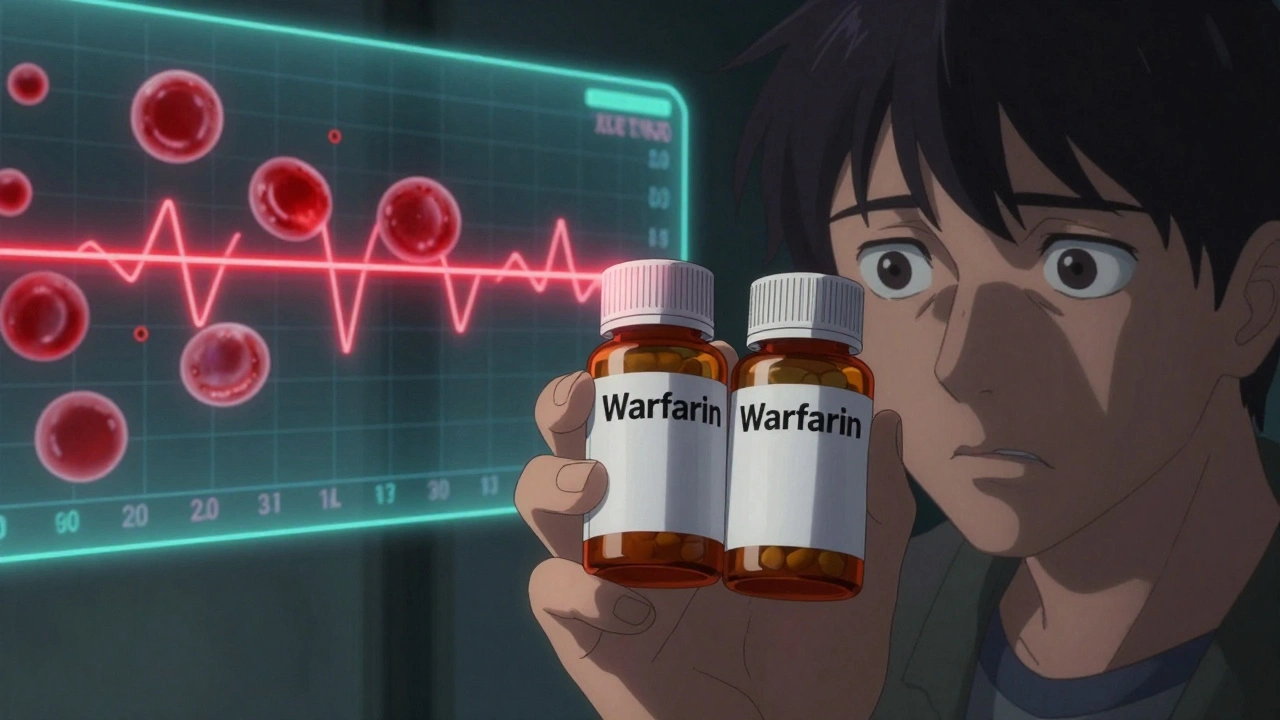
Why Generic Switching Raises Concerns for NTI Drugs
Generic switching for NTI drugs like warfarin and phenytoin can be dangerous due to tiny differences in absorption. Even small changes in blood levels can cause serious harm - and the standard bioequivalence rules may not be safe enough.

Identifying Problem Generics: When Pharmacists Should Flag Issues
Pharmacists play a critical role in catching unsafe generic drug substitutions. Learn when to flag issues with NTI drugs, look-alike names, and faulty extended-release formulations to protect patient safety.

Side Effects After Switching to Generics: When to Worry
Switching to generic medications can cause side effects for some people, especially with drugs like thyroid medicine, epilepsy treatments, and blood thinners. Learn which medications are risky, why changes happen, and how to protect yourself.