
NTI Drugs: What They Are, Why They Matter, and How to Use Them Safely
When a drug has a narrow therapeutic index, a small difference between a safe dose and a toxic one. Also known as NTI drugs, these medications leave little room for error—whether it’s a slight change in dosage, a switch to a generic version, or even a missed pill. Think of them like a tightrope walk: one misstep and things go wrong fast. Drugs like warfarin, levothyroxine, phenytoin, and cyclosporine fall into this category. They’re not rare—millions take them daily. But unlike most meds, they don’t tolerate variation. A 10% change in blood levels can mean the difference between healing and hospitalization.
That’s why generic drug safety, especially for NTI drugs, is a major concern in pharmacies and clinics. Not all generics are created equal, even if they’re labeled the same. Some have different fillers, release rates, or absorption profiles. For most drugs, that doesn’t matter. For NTI drugs, it can. Pharmacists are trained to flag these when switching patients. But patients often don’t know to ask. If you’re on levothyroxine and your pill changes color—or your blood test suddenly looks off—it’s not just bad luck. It could be your generic substitution.
And then there’s medication errors, the silent danger that hits hardest with NTI drugs. One wrong decimal point. One confused QD vs. QID. One pharmacy mix-up. These aren’t hypotheticals—they happen daily. In hospitals, in retail pharmacies, even at home when someone misreads a label. The consequences? Seizures, organ rejection, dangerous bleeding, or thyroid crashes that take weeks to fix. The good news? You don’t have to be passive. You can ask your pharmacist: "Is this an NTI drug?" You can track your levels. You can refuse a switch unless your doctor approves it. You can keep a written log of every dose.
This collection of posts dives into exactly what you need to know: how to spot risky generic substitutions, why some people react badly after switching meds, what pharmacists look for when they flag an issue, and how to protect yourself when you’re on one of these high-stakes drugs. You’ll find real stories, practical tips, and clear warnings—not theory, not fluff. Just what works when your life depends on getting the dose right.
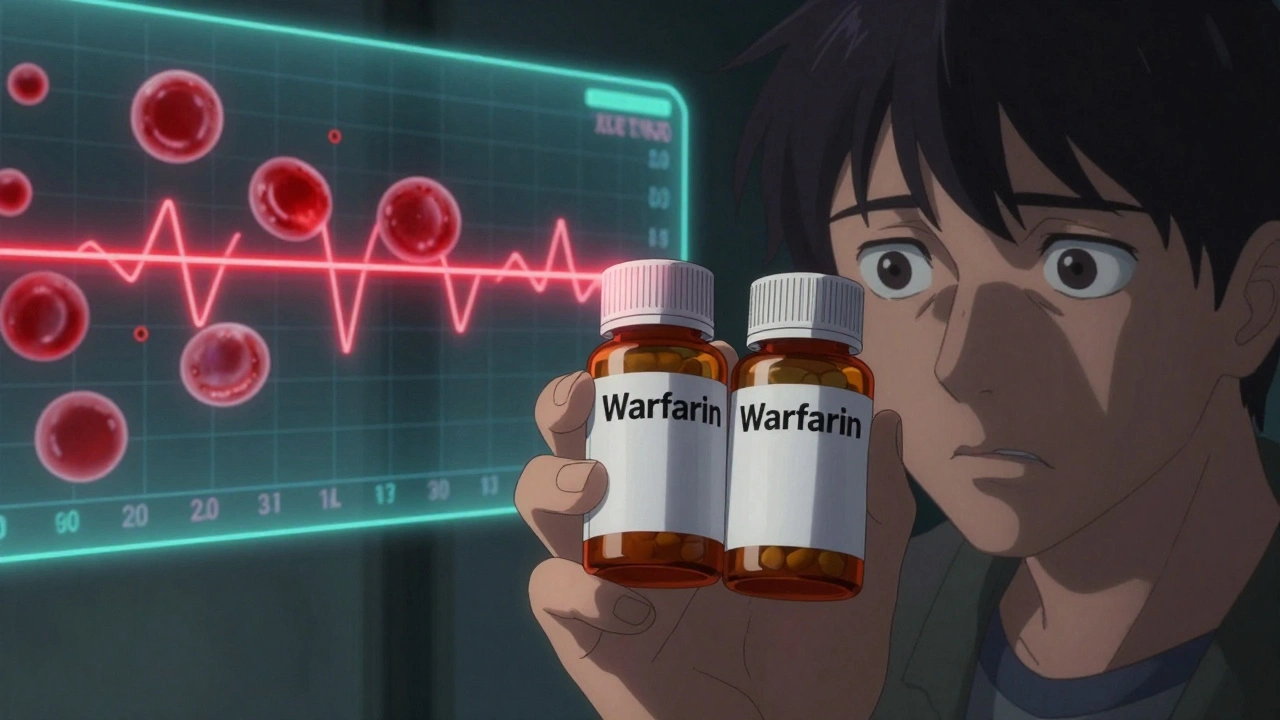
Why Generic Switching Raises Concerns for NTI Drugs
Generic switching for NTI drugs like warfarin and phenytoin can be dangerous due to tiny differences in absorption. Even small changes in blood levels can cause serious harm - and the standard bioequivalence rules may not be safe enough.