
Nudge Theory in Healthcare: How Small Changes Drive Better Medication Choices
When you think about getting patients to take their meds regularly, you might imagine lectures, warnings, or penalties. But what if the best way to help people stick to their treatment isn’t by pushing harder, but by nudge theory? nudge theory, a concept from behavioral economics that uses subtle environmental cues to guide decisions without restricting freedom of choice. It’s not about coercion—it’s about design. Think of it like placing fruit at eye level in a grocery store: people don’t feel forced to grab it, but they’re far more likely to. In healthcare, this means rearranging how prescriptions are handed out, how reminders appear, or how options are presented—small tweaks that lead to big shifts in behavior.
This approach connects directly to real problems you see every day: patients skipping doses because the pill bottle is hidden in a drawer, forgetting to take blood thinners because they don’t link it to a daily habit like brushing teeth, or refusing generics because they assume they’re "weaker." medication adherence, the degree to which patients follow prescribed treatment plans isn’t just about willpower—it’s about context. behavioral economics, the study of how psychological, social, and emotional factors affect financial and economic decisions shows us that people don’t act rationally all the time. They’re influenced by defaults, social proof, and timing. A study in the British Medical Journal found that when patients were automatically enrolled in a refill program (with the option to opt out), adherence jumped by 17%. That’s not magic. That’s a nudge.
And it’s not just for pills. patient decision-making, the process by which individuals choose treatments based on information, values, and cues is shaped by how options are framed. For example, telling someone "9 out of 10 people take their insulin on time" works better than saying "only 10% miss doses." The same goes for switching to generics: if the pharmacist says, "Most patients here use this generic—it’s just as safe and saves you $40," it feels normal, not risky. That’s health behavior change, the process of adopting healthier habits through environmental and psychological support in action. You don’t need to convince someone to change. You just need to make the right choice the easiest one.
The posts below show how these ideas play out in real life: how pharmacists use simple prompts to reduce errors, how insulin users benefit from visual cues, how families keep meds safe during moves, and why some generics trigger worry—not because they’re unsafe, but because the way they’re presented makes people doubt them. You’ll see how small design changes in packaging, reminders, and conversations can fix big problems. No grand speeches. No scare tactics. Just smart, quiet nudges that help people stay on track—without them even realizing they were guided.
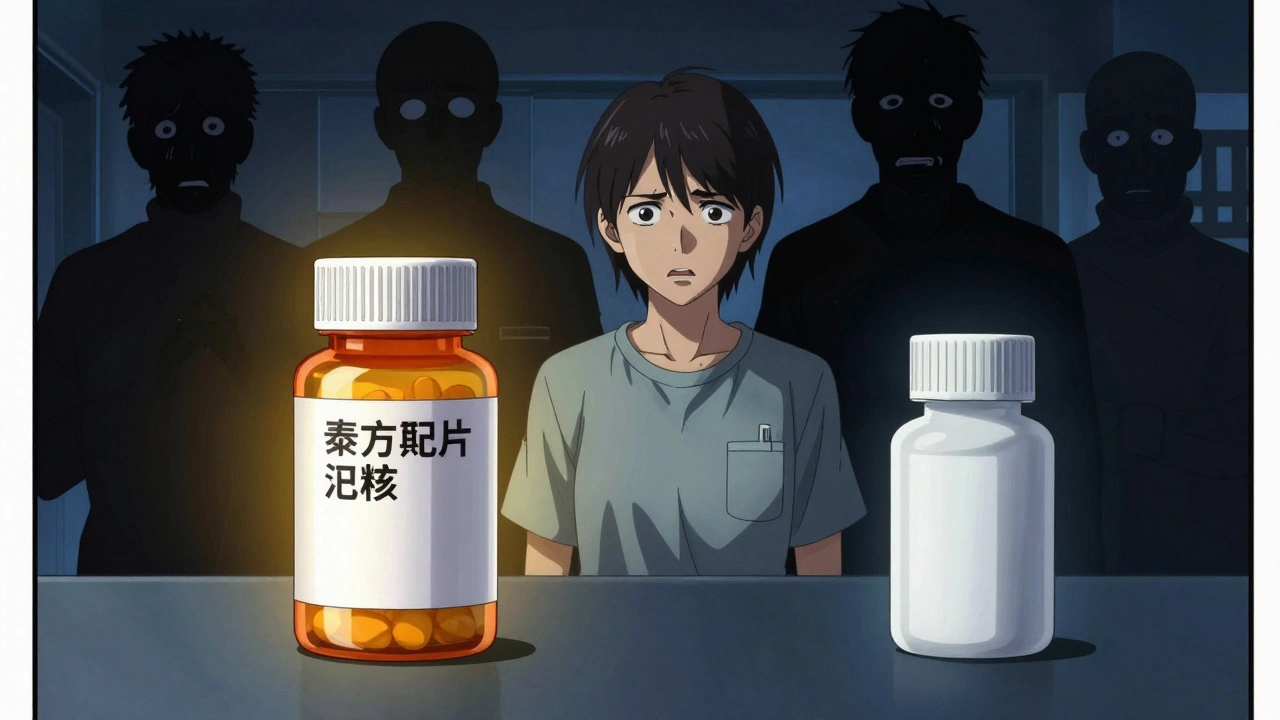
Behavioral Economics: Why Patients Choose Certain Drugs Over Others
Behavioral economics explains why patients often choose expensive drugs over cheaper, equally effective options. Discover how psychological biases like loss aversion and present bias shape medication decisions-and how simple nudges can improve adherence.