
Patient Drug Choices: Make Smarter Decisions About Your Medications
When it comes to your health, patient drug choices, the decisions you make about which medications to take, when to take them, and whether to switch brands. Also known as medication decision-making, it’s not just about following a prescription—it’s about understanding what’s really in your body and why. Too many people assume that if a doctor prescribes it, it’s automatically safe and optimal. But the truth is, small choices—like switching to a generic, skipping a dose, or adding an herbal supplement—can change your outcome dramatically.
Take generic substitution, when a pharmacy swaps your brand-name drug for a cheaper version. Also known as generic switching, it’s common, legal, and often harmless—but not for every drug. For medications with a narrow therapeutic index, where tiny differences in blood levels can cause serious harm. Also known as NTI drugs, it’s a term that applies to blood thinners like warfarin, epilepsy drugs like phenytoin, and thyroid meds like levothyroxine. Even a 5% change in absorption can mean the difference between control and crisis. That’s why some patients get side effects after switching, and why pharmacists are trained to flag risky substitutions.
Then there’s drug interactions, when one medication or supplement messes with another. Also known as medication conflicts, they don’t always show up as obvious side effects. St. John’s wort can make your transplant rejection meds useless. Ginkgo can turn your aspirin into a bleeding risk. Even something as simple as grapefruit juice can turn a common cholesterol pill into a dangerous overload. These aren’t rare accidents—they happen every day because people assume natural means safe, or they forget to tell their doctor about their supplements.
And let’s not forget medication adherence, how consistently you take your drugs as prescribed. Also known as treatment compliance, it’s the single biggest factor in whether your treatment works. After a transplant, skipping one dose of an immunosuppressant can trigger rejection. For diabetics, missing insulin doses leads to nerve damage, kidney failure, vision loss. Yet, studies show nearly half of people don’t take their meds right—not because they’re careless, but because they’re confused, overwhelmed, or afraid of side effects.
That’s where medication safety, the practice of avoiding harm from drugs through knowledge, planning, and communication. Also known as drug safety, it’s not just for doctors and pharmacists. It’s for you. It’s about knowing how to store your pills during a move, recognizing when an inhaler isn’t working right, spotting the difference between a side effect and an allergy, or asking if a new medicine interacts with your coffee, your tea, or your multivitamin. It’s about realizing that your body is a system, not a list of symptoms to be fixed.
Below, you’ll find real stories from people who’ve been through this—patients who caught dangerous generic switches before it was too late, parents who learned how to pump safely while on antidepressants, diabetics who fixed their morning spikes with simple timing tricks, and transplant recipients who stayed alive because they refused to skip a pill. These aren’t theoretical guides. They’re the kind of info you wish you’d known yesterday.
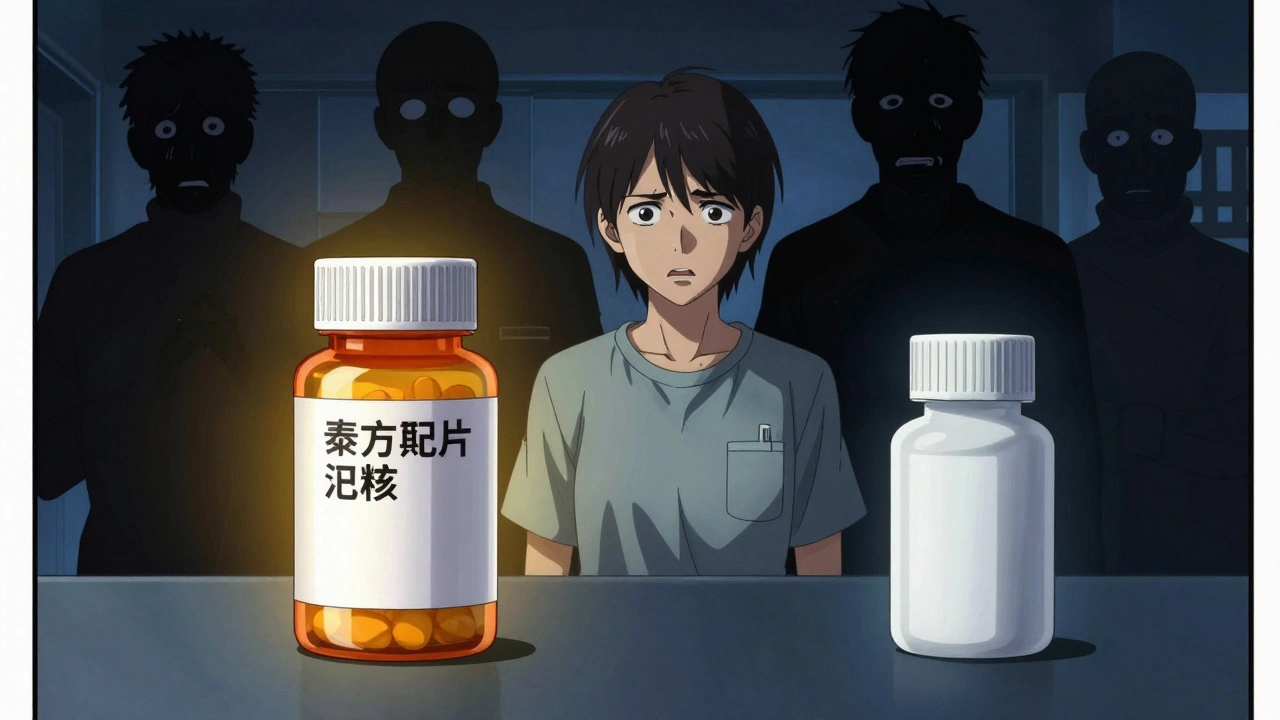
Behavioral Economics: Why Patients Choose Certain Drugs Over Others
Behavioral economics explains why patients often choose expensive drugs over cheaper, equally effective options. Discover how psychological biases like loss aversion and present bias shape medication decisions-and how simple nudges can improve adherence.