
Pharmacist Communication: How Talking Right Saves Lives
When you pick up a prescription, pharmacist communication, the clear, two-way exchange between a pharmacist and patient about medications, risks, and daily use. It's not just about handing over pills—it's the moment that can stop a hospital visit, prevent a dangerous interaction, or help someone finally stick to their treatment plan. Too often, people leave the pharmacy confused, scared, or just plain overwhelmed. A 2023 study in the Journal of Patient Safety found that over 40% of medication errors linked to poor communication happened right at the counter—not in the hospital or at home. That’s not a system failure. That’s a conversation failure.
medication adherence, how well patients take their drugs exactly as prescribed doesn’t depend on how fancy the pill is. It depends on whether the person understands why they need it, how to take it, and what to watch for. patient education, the process of giving clear, tailored info so people can manage their own health isn’t a pamphlet you hand out. It’s asking, "What’s stopping you from taking this every morning?" and listening to the answer. For someone on warfarin, a simple reminder about food interactions can mean the difference between a clot and a bleed. For someone on insulin, knowing how to adjust doses based on meals can prevent a trip to the ER.
And it’s not just about the script. drug safety, the practice of avoiding harm from medications through proper use, monitoring, and communication relies on pharmacists spotting red flags: a patient on five blood pressure pills, or someone mixing St. John’s wort with antidepressants, or an older adult confused by QD vs QID on their label. These aren’t edge cases. They’re daily realities. The pharmacist who asks, "Are you taking all these at the same time?" or "Has anything changed since your last visit?" isn’t being nosy—they’re saving lives.
Real communication means slowing down. It means using plain words instead of Latin terms. It means checking if the patient actually understands, not just nodding. It means remembering that a person on immunosuppressants after a transplant needs different advice than someone picking up an antibiotic for a sinus infection. It means knowing when to flag a generic switch for a narrow therapeutic index drug like phenytoin—and when to explain why it’s risky.
What you’ll find below isn’t theory. It’s real stories from people who’ve been on both sides of the counter. You’ll see how proper pharmacist communication helped someone manage diabetes without crashing their blood sugar, how clear instructions prevented a dangerous herbal interaction, and why asking one simple question saved a patient from kidney damage. These aren’t perfect systems. They’re human moments—when someone took the time to listen, explain, and care.
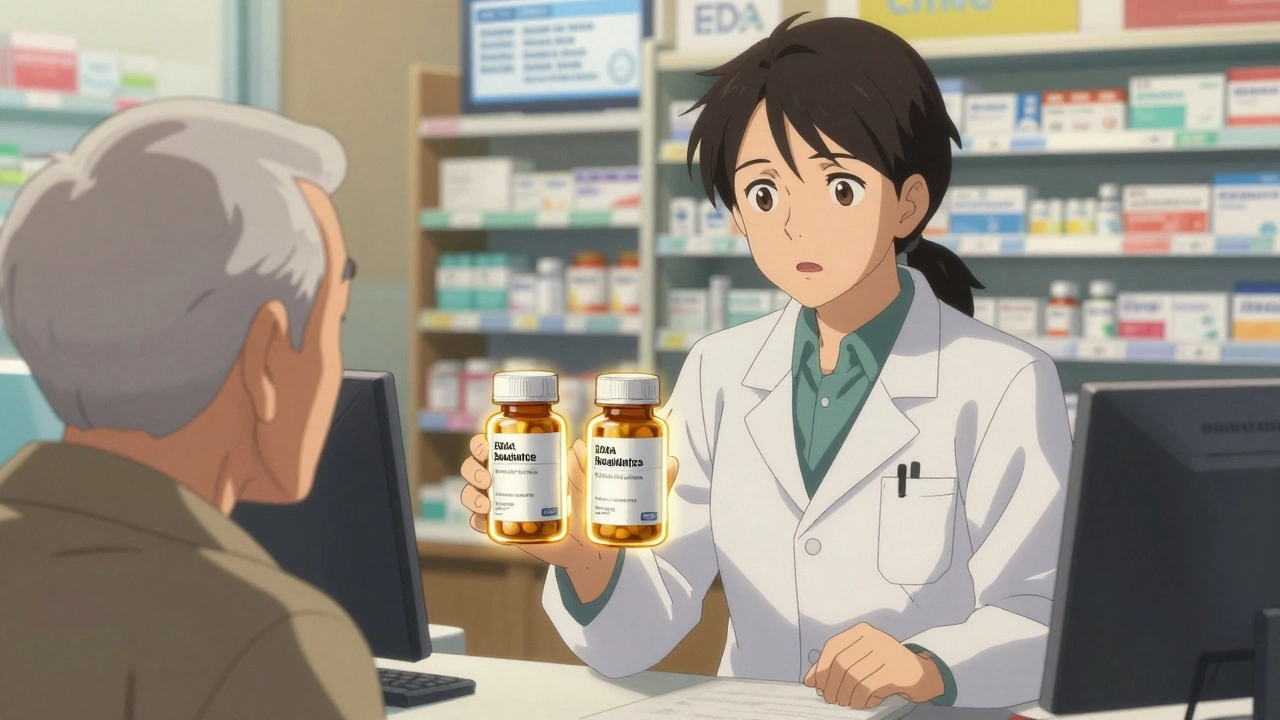
How to Talk to Patients About Generic Medications: Proven Communication Strategies
Learn proven communication strategies to help patients feel confident about switching to generic medications. Discover what works, what doesn’t, and how to build trust with simple, evidence-based approaches.