
Phenytoin: What It Is, How It Works, and What You Need to Know
When you or someone you care about needs to control seizures, phenytoin, a first-line anticonvulsant used for decades to prevent epileptic seizures. Also known as Dilantin, it works by calming overactive nerve signals in the brain. But this isn’t a drug you take lightly—it has a narrow therapeutic window, meaning the difference between helping and harming is small. Too little, and seizures return. Too much, and you risk dizziness, confusion, or even life-threatening toxicity.
Phenytoin doesn’t work the same for everyone. Your body’s ability to break it down depends on genetics, other medications you take, and even your liver health. That’s why blood tests are often needed to check levels. It also interacts with many common drugs—from antibiotics to birth control—and can make them less effective or more dangerous. If you’re on phenytoin, you need to tell every doctor, pharmacist, and even your dentist. And if you switch to a generic version, pay attention. Some people report new side effects after switching, especially with extended-release forms. This isn’t just placebo; it’s real, documented behavior tied to how the drug is absorbed.
People taking phenytoin often deal with long-term side effects too—gum swelling, bone thinning, skin rashes, and even changes in facial features over time. It’s not just about stopping seizures; it’s about managing the trade-offs. That’s why some patients end up switching to newer anticonvulsants, while others stay on phenytoin because it’s the only thing that works for them. If you’re on this medication, knowing what to watch for, how to avoid interactions, and when to question a generic substitution can make all the difference.
Below, you’ll find real-world advice from people who’ve lived with phenytoin—how to handle missed doses, what to do if you feel off, why some pharmacists flag certain generics, and how it fits into broader treatment plans for epilepsy, nerve pain, or even post-surgical seizure prevention. This isn’t theory. It’s what works—or what goes wrong—when you’re actually taking it.
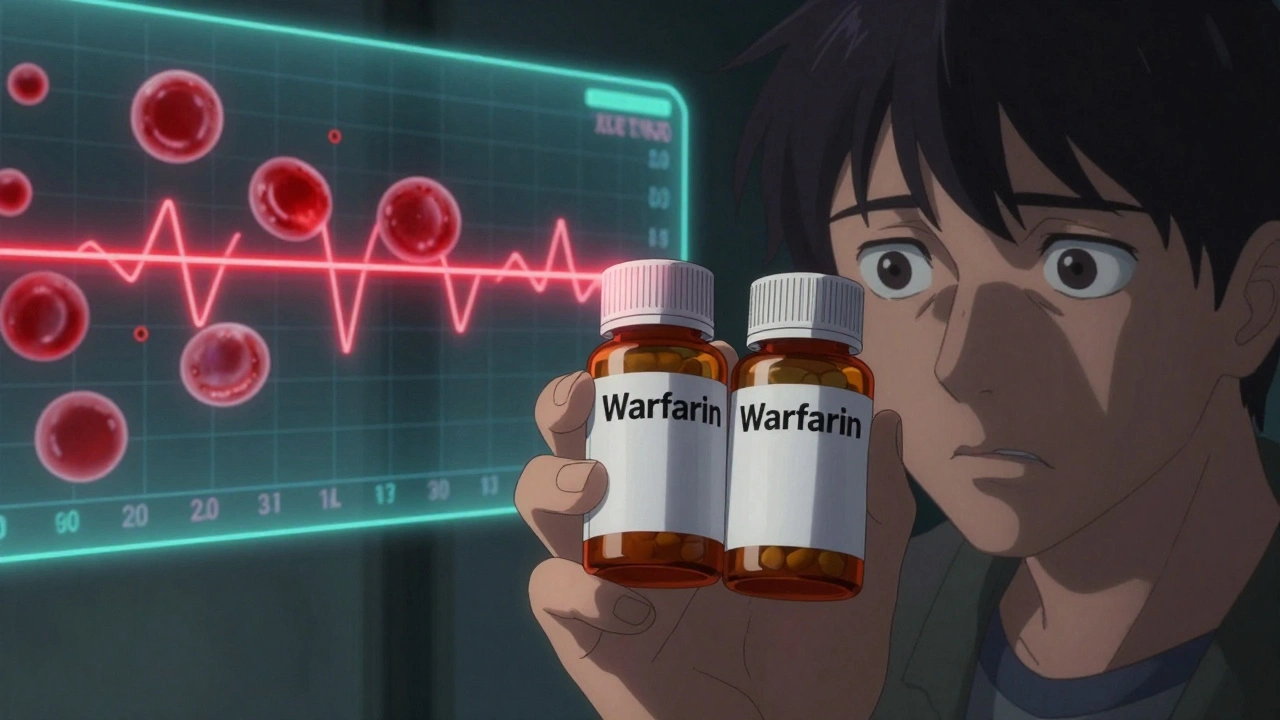
Why Generic Switching Raises Concerns for NTI Drugs
Generic switching for NTI drugs like warfarin and phenytoin can be dangerous due to tiny differences in absorption. Even small changes in blood levels can cause serious harm - and the standard bioequivalence rules may not be safe enough.