
St. John's wort: What It Is, How It Works, and What You Need to Know
When people look for natural ways to feel better, St. John's wort, a yellow-flowered herb used for centuries to support mood. Also known as Hypericum perforatum, it's one of the most studied herbal supplements for mild to moderate depression. Unlike prescription antidepressants, it doesn’t require a script—but that doesn’t mean it’s harmless. In fact, it can mess with your other meds in ways you won’t see coming.
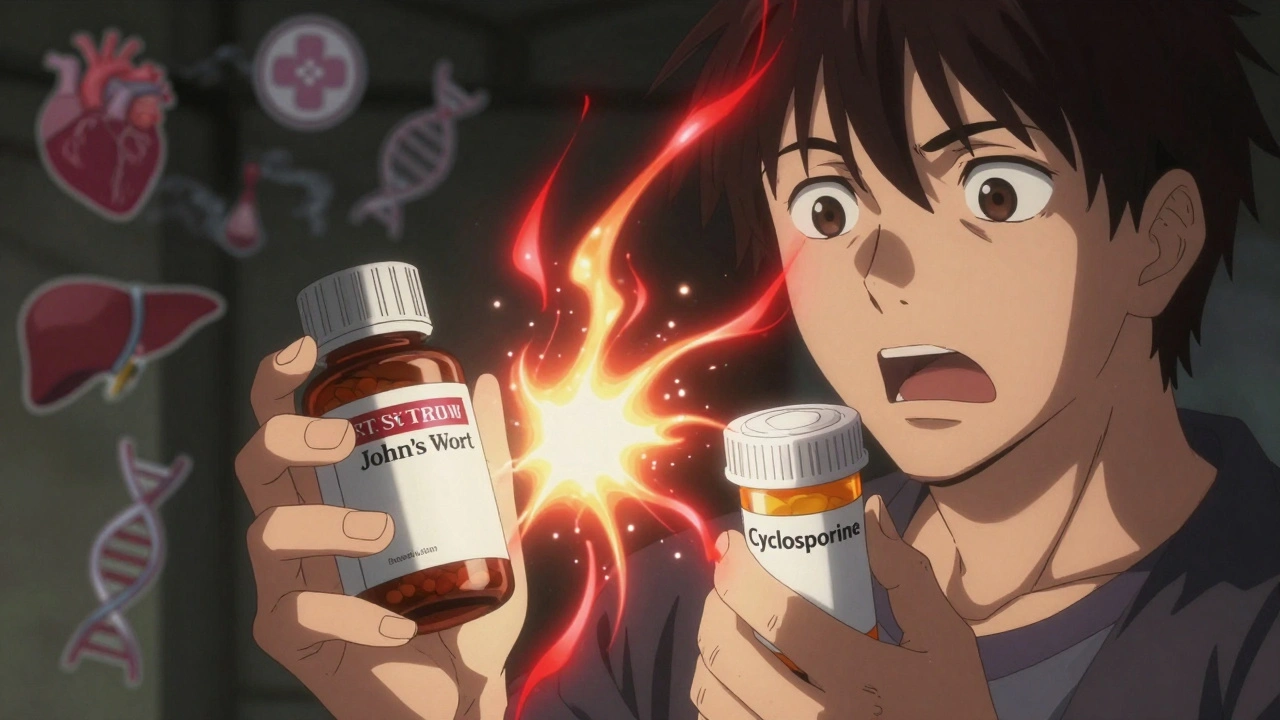
St. John's wort works by increasing brain chemicals like serotonin, dopamine, and norepinephrine—similar to how SSRIs work, but less controlled. That’s why it helps some people feel less down, especially with low-grade sadness or seasonal blues. But here’s the catch: if you’re on birth control, blood thinners, or even some HIV or cancer drugs, St. John's wort can make them useless or dangerous. One study showed it cut the effectiveness of cyclosporine, a key drug for transplant patients, by over 50%. That’s not a risk you take lightly.
It’s not just about interactions. People often assume "natural" means "safe," but that’s not true. St. John's wort can cause sun sensitivity, making you burn easier—even through windows. Some users report dizziness, dry mouth, or stomach upset. And if you’re already on an antidepressant? Mixing them can lead to serotonin syndrome, a rare but life-threatening condition. You don’t need to quit it cold turkey either—stopping suddenly can cause headaches, anxiety, or weird electric shock feelings.
What you’ll find in these posts isn’t just a list of benefits. You’ll see real stories about people who tried it, what went right, and what went wrong. There’s info on how it compares to prescription options, why pharmacists flag it during refills, and how it plays into broader trends in herbal medicine. You’ll also find posts that dig into how it affects sleep, energy, and even hormone levels—not just mood. This isn’t hype. It’s what happens when people use it in real life, with real meds, real side effects, and real consequences.
St. John's wort isn’t a magic fix. But for some, it’s a tool. The key is knowing when to use it—and when to walk away. The posts below give you the facts without the fluff. No marketing. No guesswork. Just what you need to decide if it’s right for you.
Herbal Supplements and Drug Interactions: What You Need to Know for Safety
Herbal supplements can dangerously interact with prescription drugs, reducing effectiveness or causing toxic buildup. St. John’s wort, ginkgo, and danshen are among the riskiest, with documented cases of organ rejection, bleeding, and heart issues. Always talk to your doctor before combining herbs with meds.