
Steroid Eye Drops: What They Are, How They Work, and When to Use Them
When your eyes are red, swollen, or burning, steroid eye drops, a type of corticosteroid medication applied directly to the eye to reduce inflammation. Also known as corticosteroid eye drops, they work by calming down the immune system’s overreaction in the eye tissue. Unlike antibiotics that fight infection, these drops target swelling—making them powerful but risky if misused.
Steroid eye drops are commonly prescribed after eye surgery, for severe allergic conjunctivitis, or to treat conditions like uveitis and keratitis. But they’re not for every red eye. Using them without a doctor’s guidance can mask infections, raise eye pressure, or even cause permanent vision damage. People with glaucoma or a history of herpes eye infections should avoid them entirely. Even short-term use can lead to cataracts if not monitored. That’s why they’re always meant to be temporary, under supervision, and never shared.
What you won’t find in the bottle is the real story: many patients stop using them too soon because their eyes feel better, while others keep using them long after the inflammation is gone—thinking more is better. Both mistakes happen often. The key is following the exact schedule your doctor gives you, even if symptoms disappear in a day or two. And if you’re on other eye meds, like antibiotics or artificial tears, timing matters. Some drops need 5 minutes between applications so they don’t wash each other out.
There’s also a quiet connection between steroid eye drops and the broader world of eye health. If you’ve ever wondered why your doctor asked about your diabetes or autoimmune disease before prescribing these drops, it’s because those conditions change how your eyes respond. High blood sugar can make infections worse under steroid treatment. Autoimmune disorders like rheumatoid arthritis often require long-term steroid use, which raises the stakes for eye side effects. That’s why posts on this site cover everything from diabetic retinopathy to immunosuppressant risks—they’re all part of the same picture.
You’ll find real stories here: someone who used steroid drops for a pollen allergy and ended up with high eye pressure, another who recovered from uveitis after the right dosage, and a parent who panicked when their child’s eye turned red after a drop was accidentally left in the fridge. These aren’t just medical facts—they’re lived experiences. The posts below give you the details you won’t get from a pamphlet: how to store them safely, what to do if you miss a dose, how to tell if they’re working, and when to call your doctor instead of reaching for another bottle.
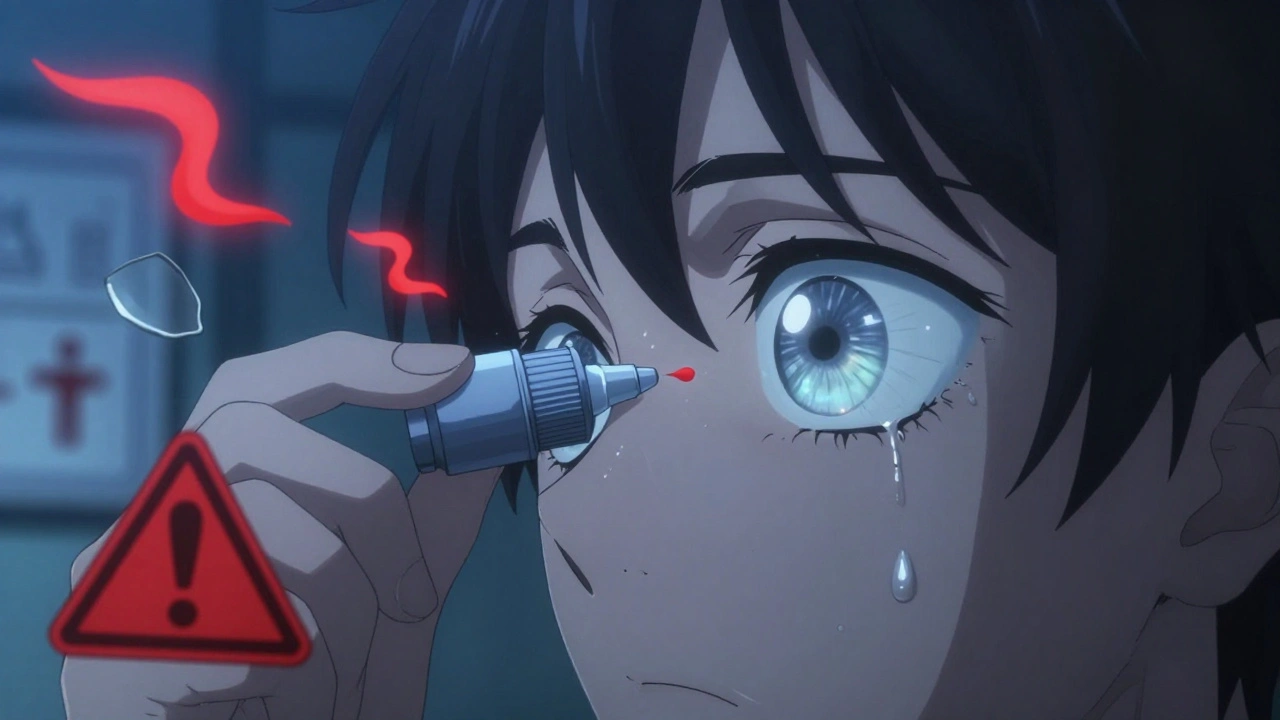
Steroid Eye Drops: Benefits, Risks, and What You Must Monitor
Steroid eye drops reduce inflammation fast but carry serious risks like glaucoma and cataracts. Learn how to use them safely, recognize warning signs, and ensure proper monitoring to protect your vision.