
Steroid-Induced Glaucoma: Causes, Risks, and What to Watch For
When you take steroid-induced glaucoma, a form of secondary glaucoma triggered by corticosteroid use that raises eye pressure and can damage the optic nerve. It’s not rare—up to 30% of people using long-term steroids develop higher eye pressure, and some will go on to lose vision if it’s not caught early. This isn’t just about eye drops. It can happen with nasal sprays, skin creams, inhalers, or even pills. You don’t need to be on steroids for years. A few weeks can be enough, especially if you’re already at risk.
Some people are more sensitive to this effect. If you have a family history of glaucoma, are over 40, have diabetes, or are severely nearsighted, your risk goes up. Even if you’ve used steroid eye drops before without issues, that doesn’t mean you’re safe next time. The body doesn’t always react the same way twice. corticosteroids, a class of anti-inflammatory drugs including prednisone, dexamethasone, and hydrocortisone are powerful, but they don’t discriminate between inflammation and eye pressure. They can silently raise fluid buildup inside your eye, squeezing the optic nerve over time. That’s why eye pressure, the force of fluid inside the eye that, when too high, leads to nerve damage and vision loss is the silent red flag. Most people don’t feel it until damage is done.
You won’t suddenly go blind overnight. The warning signs are subtle: blurred vision, seeing halos around lights, or needing brighter light to read. If you’ve been using any kind of steroid and notice changes in your vision—even mild ones—get your eyes checked. No waiting. No hoping it goes away. A simple pressure test takes minutes and can prevent lifelong damage. It’s not about avoiding steroids when you need them. It’s about knowing the risk and monitoring for it. Many patients don’t connect their eye problems to the cream they used for eczema or the inhaler for asthma. That gap in awareness is dangerous.
Below, you’ll find real stories and facts from people who’ve dealt with steroid side effects, from unexpected vision changes to managing long-term medication without losing sight. These aren’t theoretical warnings. They’re lessons learned the hard way. Whether you’re on steroids now, just started, or used them in the past, this collection gives you the tools to protect your eyes before it’s too late.
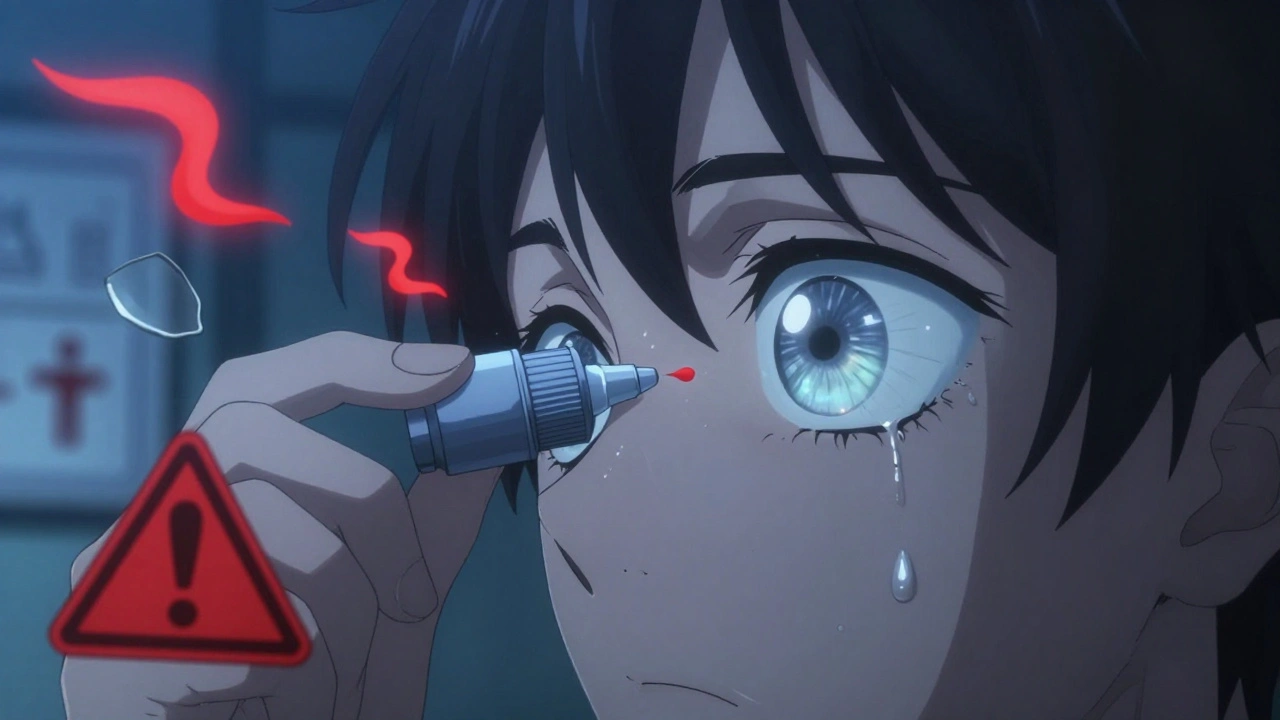
Steroid Eye Drops: Benefits, Risks, and What You Must Monitor
Steroid eye drops reduce inflammation fast but carry serious risks like glaucoma and cataracts. Learn how to use them safely, recognize warning signs, and ensure proper monitoring to protect your vision.