
Supplement Safety: What You Need to Know Before Taking Anything
When you buy a supplement, a product taken to add nutrients or support health, often without a prescription. Also known as dietary supplement, it might seem harmless—vitamins, herbs, protein powders, fish oil. But supplement safety isn’t about trust. It’s about knowing what’s actually in the bottle, how it interacts with your body, and who’s behind the claims. Unlike prescription drugs, supplements don’t need FDA approval before hitting shelves. That means a label saying "natural" or "pure" doesn’t mean it’s safe, effective, or even what it claims to be.
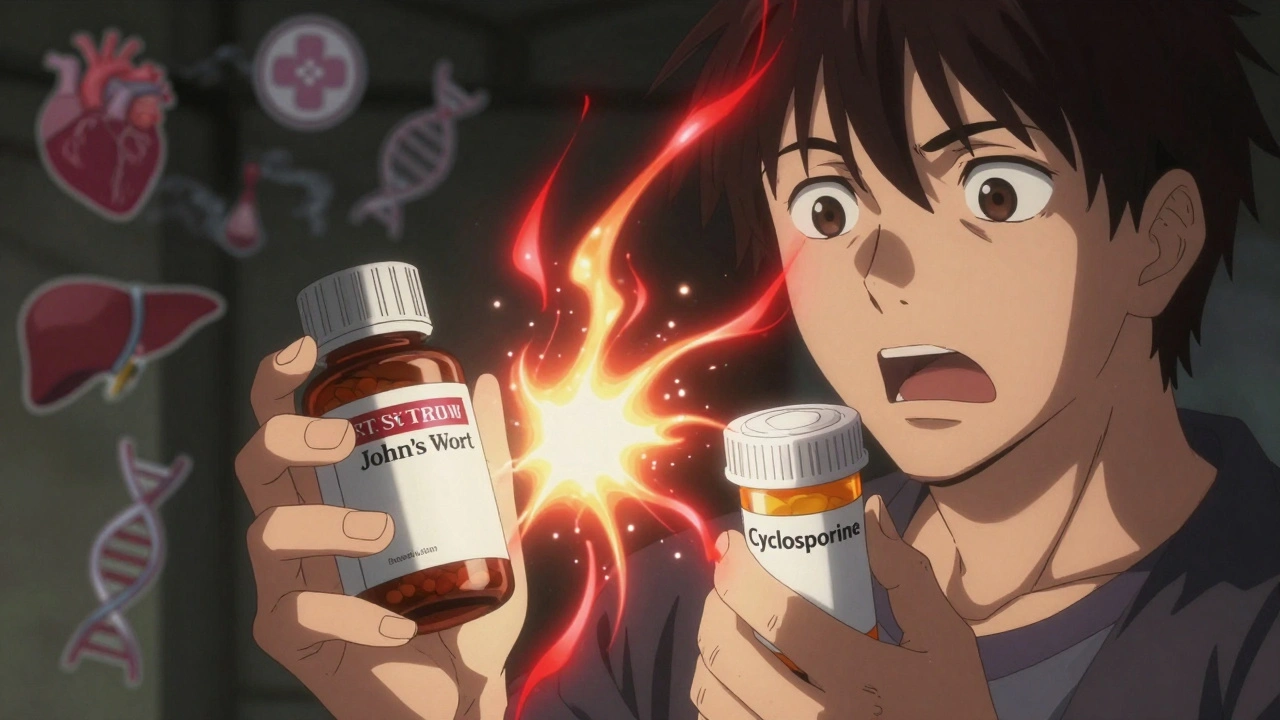
Many people don’t realize that herbal supplements, plant-based products used for health purposes, often with unregulated potency like St. John’s wort or kava can interfere with medications you’re already taking. For example, St. John’s wort can make birth control, blood thinners, or antidepressants stop working. supplement interactions, harmful or reduced effects when supplements mix with drugs or other supplements are silent risks. Someone on immunosuppressants after a transplant might think turmeric is just an anti-inflammatory, not realizing it could trigger rejection. Even something as simple as vitamin K can mess with warfarin, a common blood thinner. And it’s not just drugs—some supplements affect liver enzymes, kidney function, or blood pressure without any warning.
Then there’s the problem of contamination. A 2023 study by an independent lab found nearly 1 in 5 weight-loss supplements contained hidden steroids. Others had heavy metals, banned stimulants, or prescription drugs like sildenafil (the active ingredient in Viagra) slipped into "natural" energy boosters. These aren’t rare cases. They’re common enough that the FDA regularly issues warnings—but most consumers never see them. Even reputable brands can have batch issues. If you’re taking supplements for joint pain, sleep, or energy, you’re gambling with your health unless you know the source, the testing, and the risks.
And what about who’s taking them? Older adults on multiple medications are at highest risk. Kids, pregnant women, people with liver or kidney disease—none of them should guess. Yet, most supplement labels don’t say "don’t use if you have X condition." That’s why supplement risks, potential harm from misuse, contamination, or underlying health conditions are so poorly understood. You might think you’re doing something good for your body, but without context, you could be doing real damage.
Below, you’ll find real-world stories and hard facts from people who’ve been there: the woman who developed liver damage from a "detox" tea, the man whose blood pressure spiked after mixing a pre-workout with his blood pressure pill, the new mom wondering if her protein powder is safe while breastfeeding. These aren’t hypotheticals. They’re cases that happened. And they’re why supplement safety isn’t about being paranoid—it’s about being informed.
Herbal Supplements and Drug Interactions: What You Need to Know for Safety
Herbal supplements can dangerously interact with prescription drugs, reducing effectiveness or causing toxic buildup. St. John’s wort, ginkgo, and danshen are among the riskiest, with documented cases of organ rejection, bleeding, and heart issues. Always talk to your doctor before combining herbs with meds.