
Vision Loss from Diabetes: Causes, Prevention, and What You Can Do
When vision loss from diabetes, a progressive eye condition caused by prolonged high blood sugar that damages blood vessels in the retina. Also known as diabetic retinopathy, it’s the leading cause of blindness in adults under 65 in the U.S. Most people don’t notice it until it’s advanced — because it doesn’t hurt, and early changes don’t blur vision. But by then, damage is often permanent.
This isn’t just about sugar levels. It’s about how long those levels stay high. Every spike in blood glucose stresses the tiny blood vessels in your eyes. Over time, they leak, swell, or grow abnormally. That’s diabetic retinopathy, the most common diabetic eye disease, affecting nearly one-third of people with diabetes. It can lead to macular edema — fluid buildup in the center of your vision — or even retinal detachment. And if you have high blood pressure or high cholesterol on top of diabetes, your risk doubles.
What makes this even more dangerous is that many people don’t get regular eye exams. They think, "My vision is fine," or "I don’t have symptoms." But by the time you notice blurry spots, floaters, or dark areas in your sight, it’s often too late for full recovery. The good news? If you catch it early — through a dilated eye exam at least once a year — you can stop or slow it down. Controlling your blood sugar control, the consistent management of glucose levels through diet, medication, and monitoring. isn’t just about avoiding numb toes or frequent urination. It’s about protecting your ability to see your family, read, drive, and live independently.
Some people think switching to insulin or taking more pills will fix everything. But it’s not about how many drugs you take — it’s about consistency. Even with good HbA1c numbers, if your blood sugar spikes hard after meals, your eyes still take damage. That’s why continuous glucose monitors (CGMs) are changing the game. They show you patterns you’d never catch with fingersticks alone. And if you’re already seeing symptoms — like fluctuating vision or trouble reading — don’t wait. Get checked now. Delaying by months could cost you years of clear sight.
There’s no magic supplement, no eye drop, no miracle diet that reverses diabetic retinopathy. But there are proven steps: annual eye exams, tight blood sugar control, managing blood pressure, quitting smoking, and staying active. These aren’t just recommendations — they’re your best defense. The posts below give you real-world advice on how to spot early signs, what tests actually matter, how medications like anti-VEGF injections work, and what lifestyle changes make the biggest difference. You don’t need to be an expert. You just need to act before it’s too late.
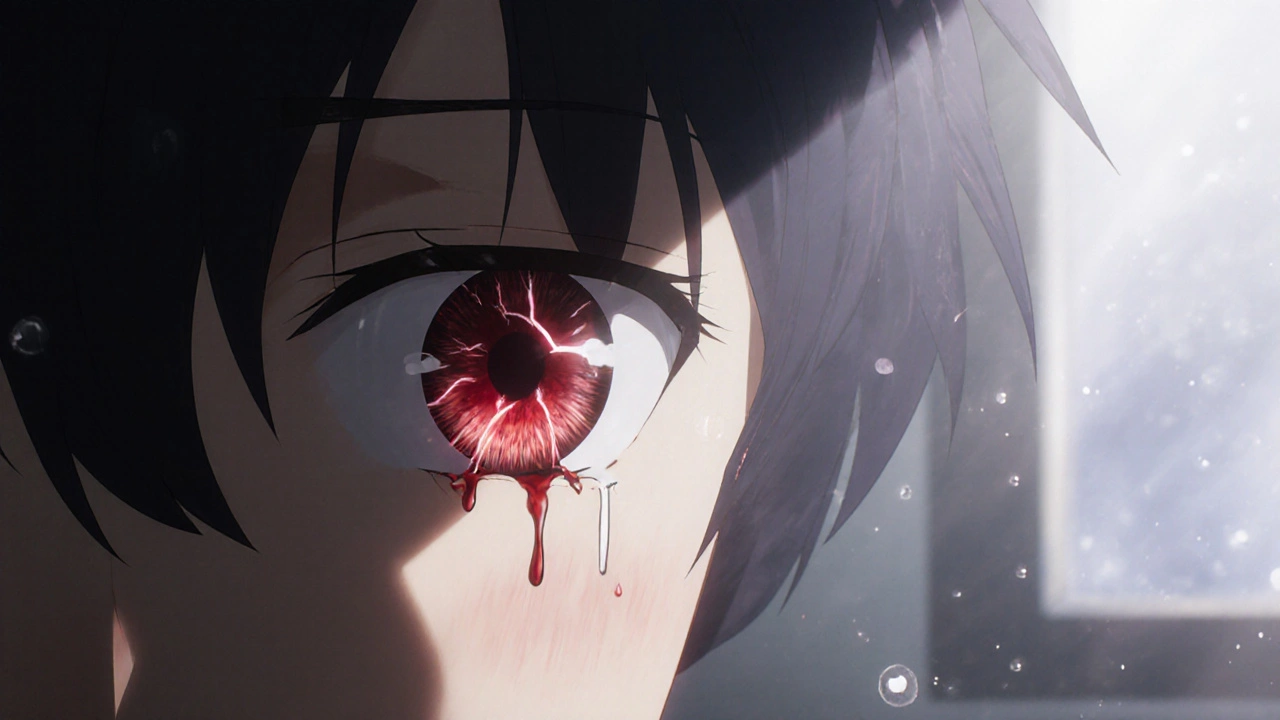
Diabetic Retinopathy: How High Blood Sugar Damages Your Eyes and What Laser Treatment Can Do
Diabetic retinopathy is a leading cause of vision loss in people with diabetes. Learn how high blood sugar damages the retina, why early screening is critical, and how laser treatment and new therapies can help preserve your sight.