
Health and Medicine - Clear Guides on Drugs and Treatments
Confused by drug names, side effects, or when to see a doctor? You're not alone. This section collects easy-to-read, practical guides about medicines and common conditions so you can find reliable info fast.
We cover prescription drugs, eye drops, antivirals, heart meds, and treatments for conditions like gout, thyroid issues, and hypertensive eye problems. Every article focuses on what matters: how a drug works, common side effects, safety tips, and when to get help.
How to use these guides
Start by scanning the short summary at the top of each article — it tells you the drug's main use and key warnings. Look for sections named 'Uses', 'How it works', 'Side effects', and 'Safety tips'. Those give quick, practical answers.
Want a quick tour? Here are some useful reads on this page: Pred Forte eye drops for eye inflammation, Zovirax (acyclovir) for herpes and shingles, amiodarone and how it can affect thyroid function, and allopurinol for gout and high uric acid. We also explain newer topics like azilsartan for hypertensive retinopathy and common steroid creams for kids' skin issues.
Quick safety checklist
Before you act on any article, run this simple checklist:
- Check whether the drug needs a prescription. If it does, talk to your prescriber before changing anything.
- Note the most common side effects listed and any serious warnings. If a side effect looks severe, contact a clinician right away.
- Look for interaction notes. Many drugs change how others work — tell your doctor about all medicines and supplements you take.
- Follow dosing guidance exactly. If you're unsure about dose or timing, call a pharmacist or your doctor.
- If you have symptoms that get worse or new symptoms after starting a drug, seek medical advice promptly.
We write each article so you can quickly decide what to do next — whether to read deeper, check interactions, or call your provider. We avoid heavy jargon and focus on clear steps.
Use the site search to find drugs or conditions by name. If you need deeper detail like lab monitoring for drugs such as amiodarone, or steroid use rules for kids, look for sections named 'Monitoring' or 'Pediatric use' in the article.
Want personal help? These guides don't replace medical advice. They're meant to give you the facts you need to have a focused conversation with your healthcare team. Bookmark articles you find useful and bring notes to your next appointment.
If you're unsure where to start, try reading one short drug guide that matches your current concern — it will give you practical steps and the exact questions to ask your clinician.

Measuring Education Effectiveness: How to Track Generic Understanding
Learn how to effectively track generic understanding using direct and indirect measures, formative and summative assessments, and criterion-referenced standards.

How to Spot a Medication Overdose: Critical Warning Signs and Emergency Steps
Learn the critical signs and symptoms of medication overdose, including the opioid triad, and the emergency steps needed to save a life during a drug crisis.

Pharmacist Advocacy: Boosting Immunization Rates and Generic Prescriptions
Discover how pharmacist advocacy is transforming pharmacies from drug stores into clinical hubs for immunizations and affordable generic prescriptions.
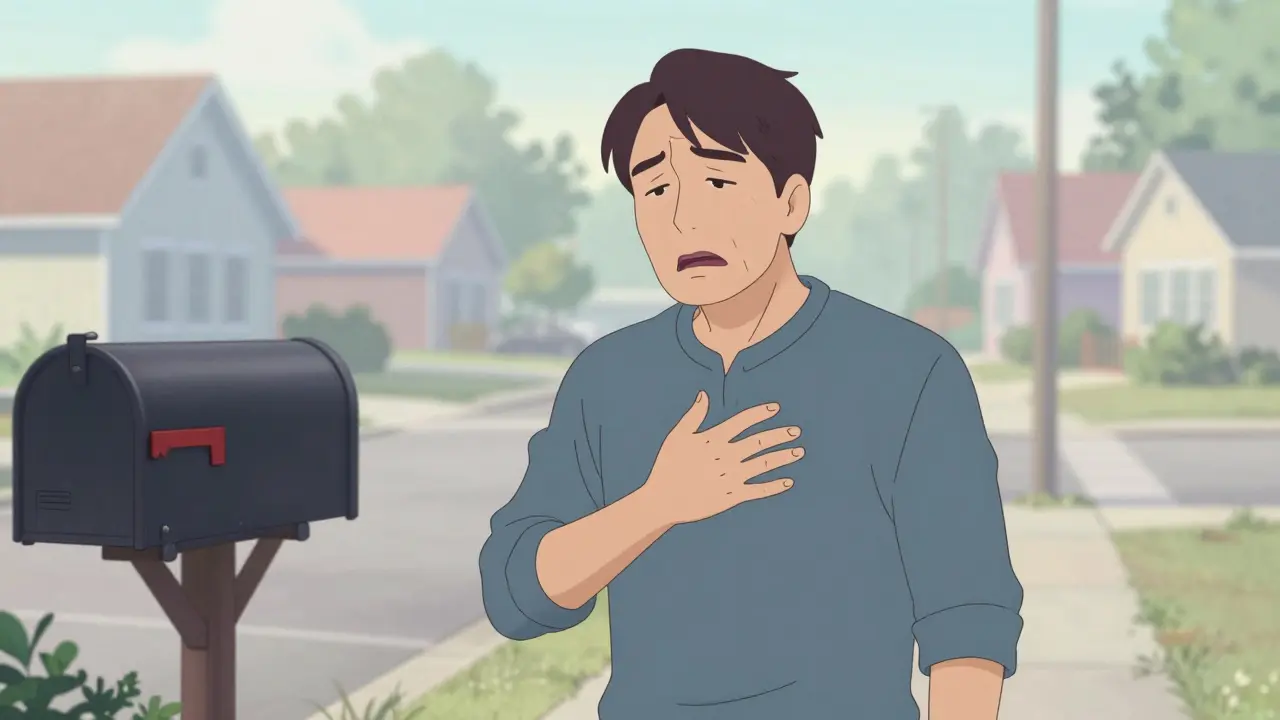
Pulmonary Hypertension Guide: Recognizing Symptoms and Right Heart Strain
Learn about Pulmonary Hypertension, from early symptoms and the mechanics of right heart strain to modern combination therapies and the gold-standard diagnostic process.
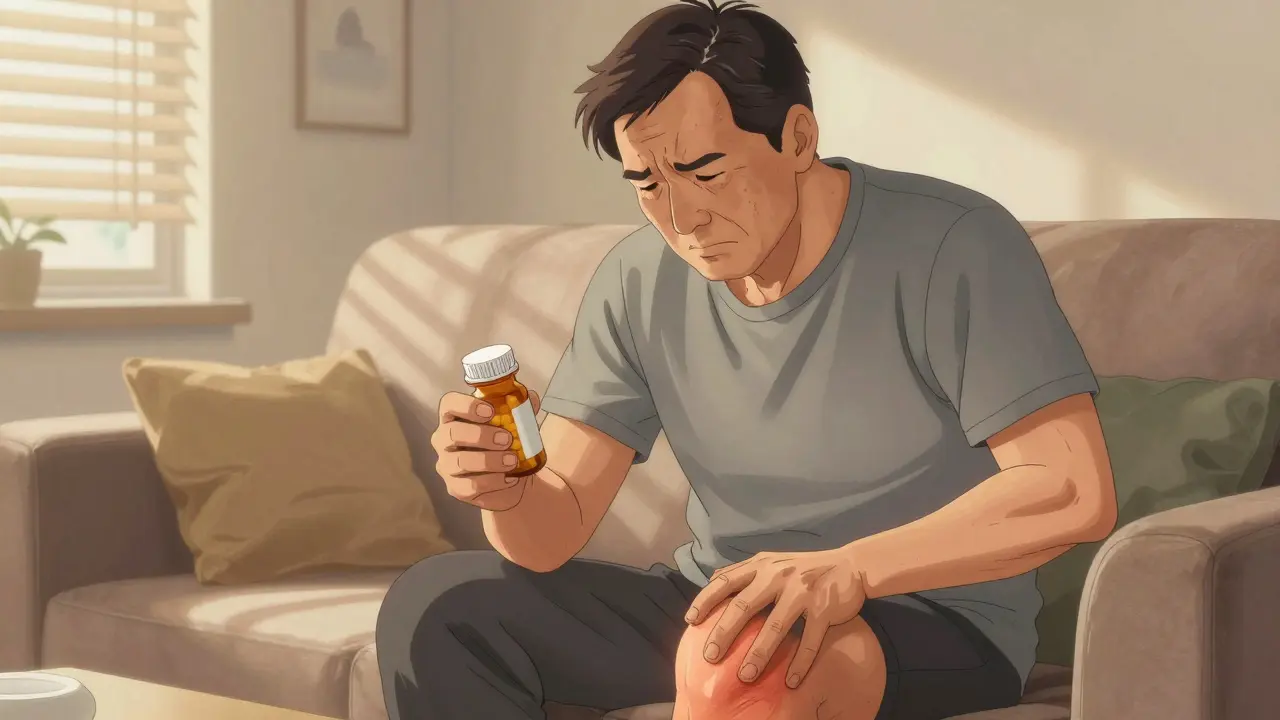
Vitamin D Status and Statin Tolerance: Does It Matter?
Exploring the complex link between vitamin D levels and statin side effects. Learn what recent studies say about supplementation and managing muscle symptoms.
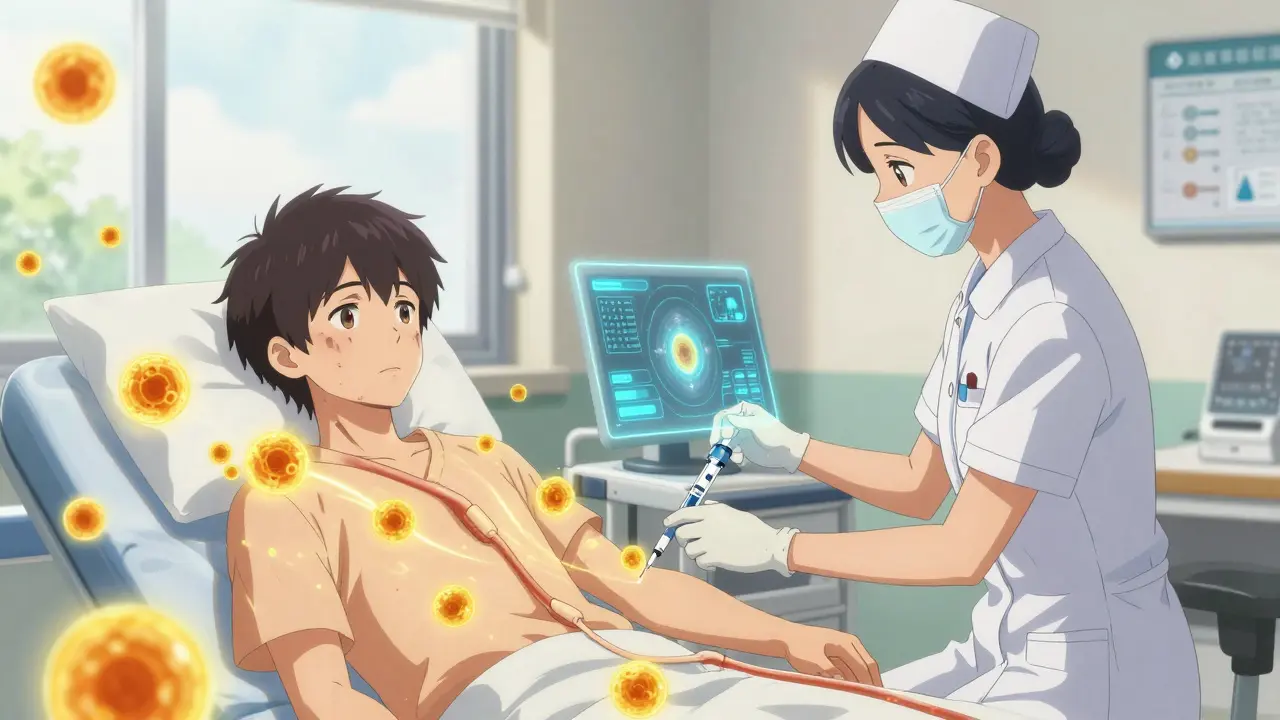
Supportive Care in Cancer: How Growth Factors, Antiemetics, and Pain Relief Improve Outcomes
Growth factors, antiemetics, and pain relief are essential parts of cancer care. They prevent life-threatening infections, control nausea, and manage pain-so patients can complete treatment and live better. Evidence-based, accessible, and often life-saving.
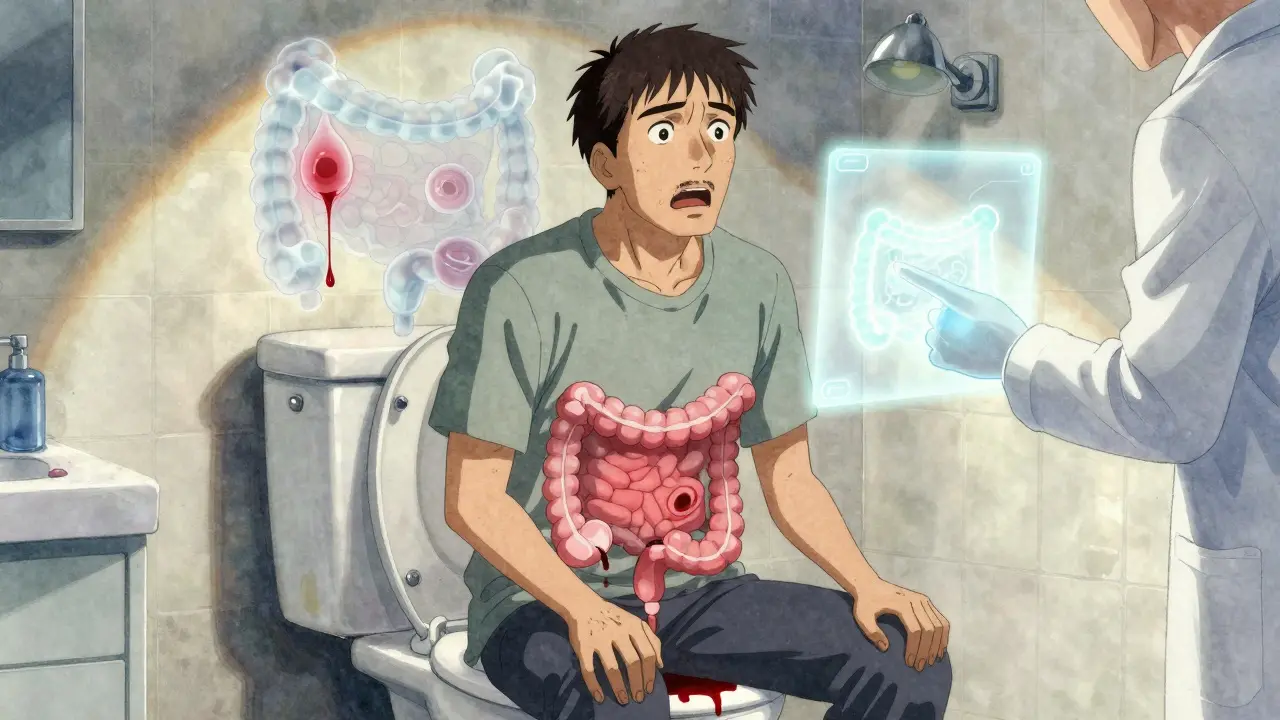
Lower GI Bleeding: Diverticula, Angiodysplasia, and How Doctors Diagnose It
Lower GI bleeding is often caused by diverticula or angiodysplasia, especially in older adults. Learn how doctors diagnose and treat these common causes, what to expect during a colonoscopy, and why early intervention matters.
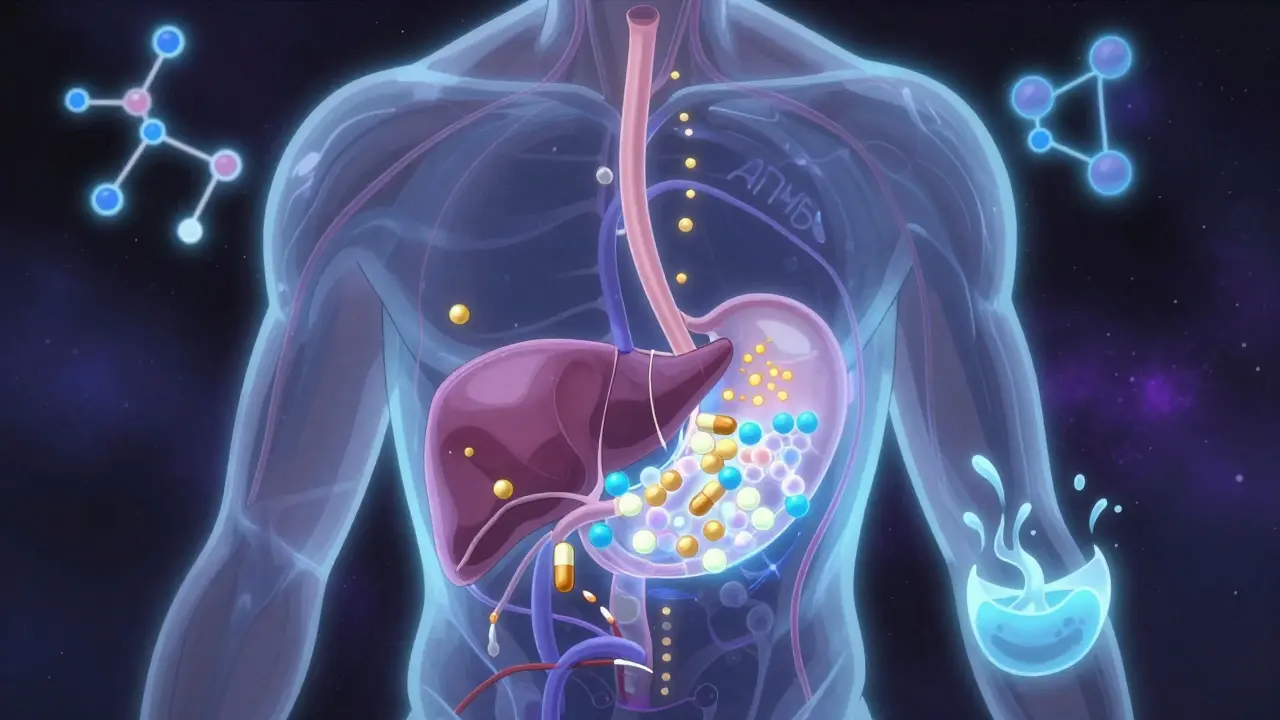
Pharmacokinetics and Side Effects: How Your Body Processes Drugs
Learn how your body absorbs, metabolizes, and eliminates drugs-and why that determines whether a medication works safely or causes dangerous side effects. Understand ADME, genetics, age, and drug interactions.
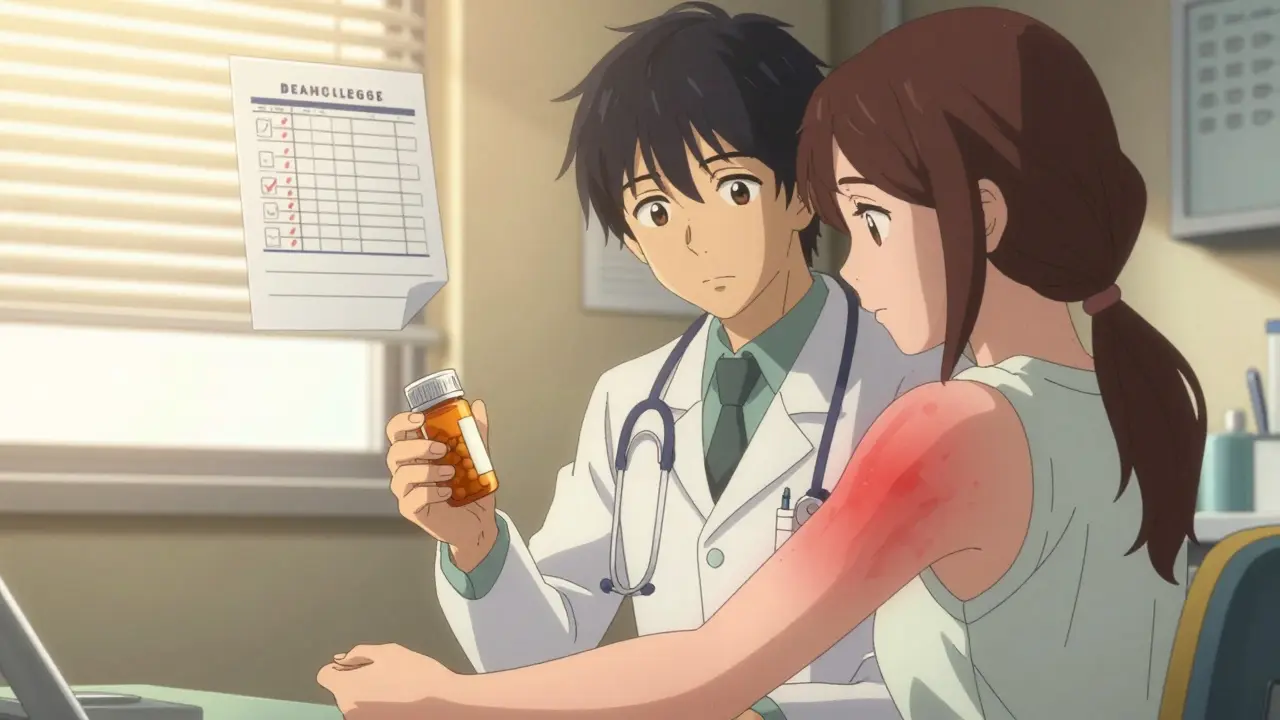
Dechallenge and Rechallenge in Drug Side Effects: What These Tests Mean
Dechallenge and rechallenge are key clinical tools used to determine if a drug caused a side effect. Stopping the drug (dechallenge) and sometimes restarting it (rechallenge) helps confirm causality-essential for patient safety and drug regulation.

TRIPS Agreement and Generic Medicine Access: How Patent Rules Block Global Health Equity
The TRIPS Agreement enforces global patent rules that block affordable generic medicines, especially in low-income countries. Despite legal flexibilities, political pressure and complex procedures prevent life-saving drugs from reaching those who need them most.