
Warfarin: What It Is, How It Works, and What You Need to Know
When you take warfarin, a prescription blood thinner that stops dangerous clots from forming. Also known as Coumadin, it’s one of the most widely used anticoagulants in the world — but it’s not simple. One wrong dose, one new supplement, or even a change in your greens intake can throw off your balance and put you at risk.
Warfarin works by blocking vitamin K, which your body needs to make clotting factors. That’s why eating a lot of kale, spinach, or broccoli one week and almost none the next can cause your blood to clot too easily — or not clot enough. That’s why your doctor checks your INR, a lab test that measures how long it takes your blood to clot regularly. Most people need it every 1 to 4 weeks, especially when starting or changing doses. Too low, and you’re at risk for stroke or pulmonary embolism. Too high, and you could bleed internally from a minor bump.
Warfarin doesn’t work alone. It’s often taken alongside blood thinners, medications that prevent clots in people with atrial fibrillation, artificial heart valves, or deep vein thrombosis — but it’s the only one that requires this level of personal tracking. Many people don’t realize that common things like St. John’s wort, antibiotics, or even grapefruit juice can change how warfarin acts in your body. That’s why the posts below cover real cases: people who switched to generics and noticed new bruising, others who took herbal supplements and ended up in the ER, and how hospital errors with dosing abbreviations like QD vs. QID can be deadly when combined with warfarin.
You’ll find advice on managing warfarin while traveling, how to handle missed doses, what to do if you fall or get cut, and how to talk to your pharmacist about potential interactions. There’s no one-size-fits-all approach — your diet, age, liver function, and other meds all matter. But with the right info, you can stay safe and avoid the scary surprises that come with this powerful drug.
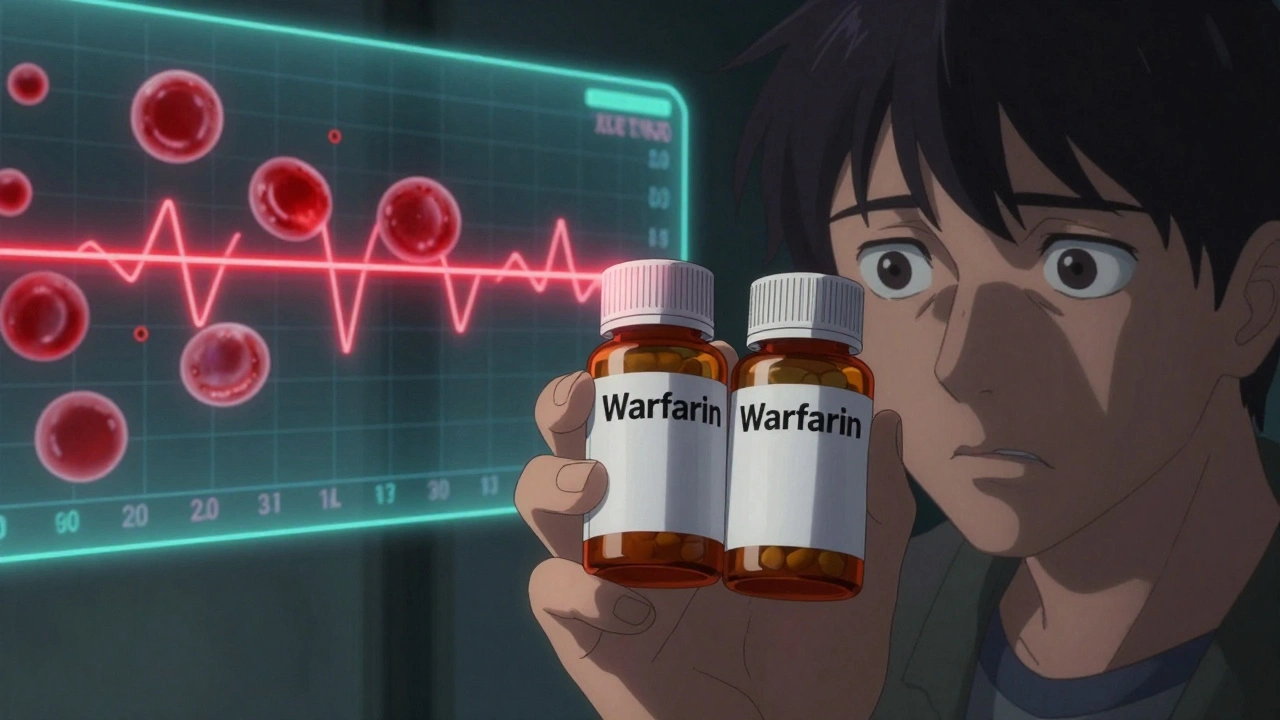
Why Generic Switching Raises Concerns for NTI Drugs
Generic switching for NTI drugs like warfarin and phenytoin can be dangerous due to tiny differences in absorption. Even small changes in blood levels can cause serious harm - and the standard bioequivalence rules may not be safe enough.