
Medication Adherence: Why Sticking to Your Prescription Matters and How to Get It Right
When you take your medicine exactly as prescribed, you're practicing medication adherence, the consistent and correct use of prescribed drugs according to dosage, timing, and duration. Also known as drug compliance, it's the quiet backbone of effective treatment—for diabetes, high blood pressure, depression, epilepsy, and more. But here’s the problem: nearly half of people don’t stick to their regimen. And it’s not because they’re careless. It’s because the system makes it hard.
Medication adherence isn’t just about remembering to swallow a pill. It’s tied to how your meds are packaged, how much they cost, whether you understand why you’re taking them, and even how your pharmacist communicates with you. For example, switching to a generic medication, a lower-cost version of a brand-name drug that must meet strict bioequivalence standards. Also known as generic substitution, it can sometimes trigger unexpected side effects—especially with narrow therapeutic index (NTI) drugs like warfarin or phenytoin, where tiny changes in blood levels can cause serious harm. That’s why some people feel worse after a switch, even if the pharmacy says it’s "the same." And when you don’t know why your pill looks different, or your doctor didn’t explain the change, you’re more likely to skip doses—or stop altogether.
Then there’s the real-world chaos: moving homes, forgetting doses during travel, mixing meds with herbal supplements like St. John’s wort, or not knowing how to store insulin during a heatwave. These aren’t edge cases—they’re daily struggles. One study found that people who misread QD (once daily) as QID (four times daily) ended up overdosing on blood pressure meds. That’s not a typo—it’s a preventable emergency. And it happens because instructions aren’t clear, labels are confusing, or no one checked if you understood.
Good medication adherence means more than just taking pills. It means knowing how your inhaler works, spotting early signs of steroid eye drop damage, managing diarrhea from antidepressants like vilazodone, or understanding why you shouldn’t pump and dump milk after taking most meds. It’s about asking your pharmacist to flag risky generic switches, using decision aids to weigh risks before switching treatments, and learning the right technique so your asthma drug reaches your lungs—not your throat.
The good news? You don’t need to be perfect. Small, smart changes make a big difference. Keeping meds in a daily pill box. Setting phone alarms. Writing down why your doctor prescribed each drug. Talking to your pharmacist—not just picking up the bottle. These aren’t just tips. They’re survival tools. And below, you’ll find real, practical guides that show you exactly how to handle the most common sticking points—from insulin allergies to thyroid meds to storing meds during a move. No fluff. Just what works.

How to Talk to Patients About Generic Medications: Proven Communication Strategies
Learn proven communication strategies to help patients feel confident about switching to generic medications. Discover what works, what doesn’t, and how to build trust with simple, evidence-based approaches.
Behavioral Economics: Why Patients Choose Certain Drugs Over Others
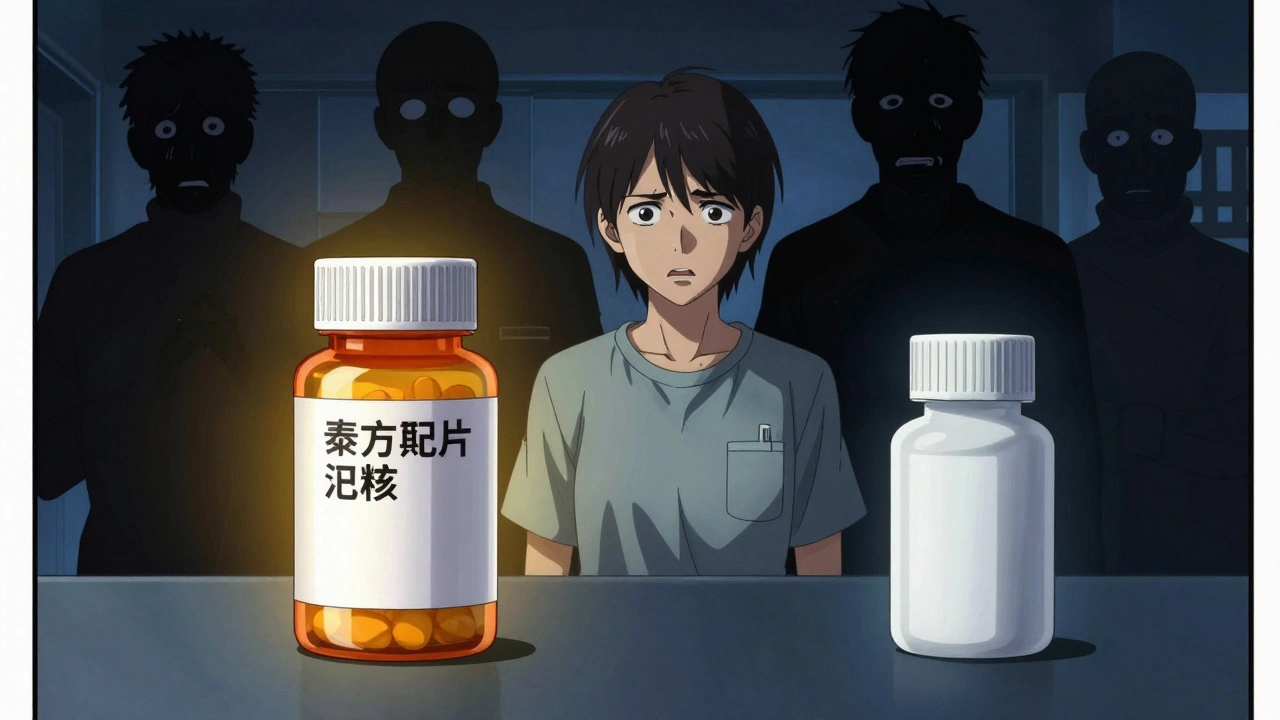
Behavioral economics explains why patients often choose expensive drugs over cheaper, equally effective options. Discover how psychological biases like loss aversion and present bias shape medication decisions-and how simple nudges can improve adherence.

Post-Transplant Life: Recognizing Rejection Signs and Staying on Track with Medication
Learn the real signs of liver transplant rejection and why sticking to your medication schedule is the single most important factor in long-term survival. No fluff. Just what works.