
Medication Safety in 2025: Guides on Safe Use, Side Effects, and Smart Choices
When it comes to your health, medication safety, the practice of using drugs correctly to avoid harm while getting real benefits. Also known as drug safety, it’s not just about taking pills as directed—it’s about understanding how they interact with your body, your lifestyle, and even your home environment. In November 2025, our most-read guides focused on the quiet dangers most people never see: a misread prescription, a generic switch that triggers new side effects, or a child finding pills during a home renovation. These aren’t rare accidents—they’re preventable, and knowing how matters.
Generic drug safety, how interchangeable medications can sometimes cause unexpected reactions. Also known as therapeutic equivalence, it’s a big deal for people on thyroid meds, blood thinners, or epilepsy drugs. A small change in formulation can throw off your whole system. That’s why pharmacists are now trained to flag NTI drugs—those with a narrow therapeutic index—before they’re dispensed. Meanwhile, medication errors, mistakes that happen at pharmacies, hospitals, or even at home. Also known as dispensing errors, they’re not always due to carelessness. Sometimes it’s a confusing abbreviation like QD vs. QID, or a parent storing insulin next to the kids’ candy during a move. These errors don’t just happen in clinics—they happen in kitchens, garages, and hotel rooms during travel. And then there’s anticholinergic burden, the hidden cognitive toll of common meds for allergies, sleep, and bladder control. Also known as cognitive risk medications, this isn’t a new problem, but we now know how quickly it adds up. One pill here, another there, and suddenly memory slips are more than just aging—they’re drug-induced. Even insulin allergy, a rare but serious reaction to the very drug that keeps diabetics alive. Also known as insulin injection reaction, it’s often mistaken for irritation or infection. But true allergies need real action: switching insulin types, using antihistamines, or even undergoing desensitization under medical supervision. These aren’t isolated issues. They’re all part of the same system: your body, your meds, and the choices you make every day.
What you’ll find below isn’t theory. It’s what real people in Sydney, Melbourne, and beyond needed to know this month: how to store insulin during a move, why your new generic caused diarrhea, how to tell if your inhaler is even working, and when to question a doctor’s prescription. No fluff. No jargon. Just clear, practical steps to keep you and your family safe.

How to Secure Medications During Home Renovations or Moves
Learn how to safely store, transport, and dispose of medications during home renovations or moves to prevent accidental access, damage, or overdose. Essential tips for families in Sydney and beyond.

Topical vs. Oral Meds: Systemic Absorption and Safety
Topical meds deliver pain relief with far less risk than oral pills. Learn how systemic absorption differs, why topical NSAIDs are safer for most people, and when you still need pills.

Cancer Prevention: How Lifestyle and Chemoprevention Reduce Your Risk
Cancer prevention is possible through lifestyle changes like staying active, eating vegetables, avoiding tobacco, and limiting alcohol. These steps can reduce cancer risk by up to 21%. Chemoprevention exists but is only for high-risk individuals.
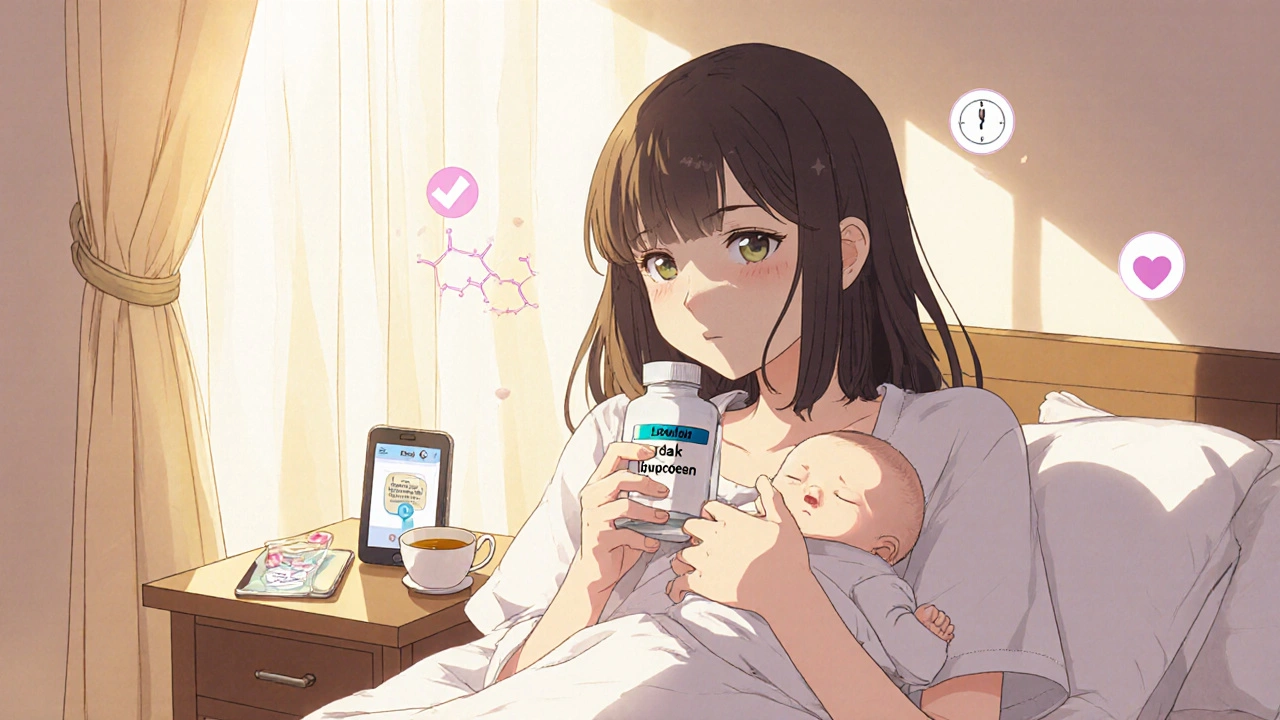
Pumping and Storing Milk While Taking Medication: Safe Practices You Can Trust
Most medications are safe while breastfeeding. Learn when to pump and dump - and when it's unnecessary. Discover safe alternatives, timing tips, and trusted resources to protect your milk supply and your baby.

Diabetic Retinopathy: How High Blood Sugar Damages Your Eyes and What Laser Treatment Can Do
Diabetic retinopathy is a leading cause of vision loss in people with diabetes. Learn how high blood sugar damages the retina, why early screening is critical, and how laser treatment and new therapies can help preserve your sight.
Medication Errors in Hospitals vs. Retail Pharmacies: What You Need to Know
Medication errors are common in both hospitals and retail pharmacies, but they differ in frequency, type, and impact. Learn how errors happen, why they’re dangerous, and what you can do to protect yourself.
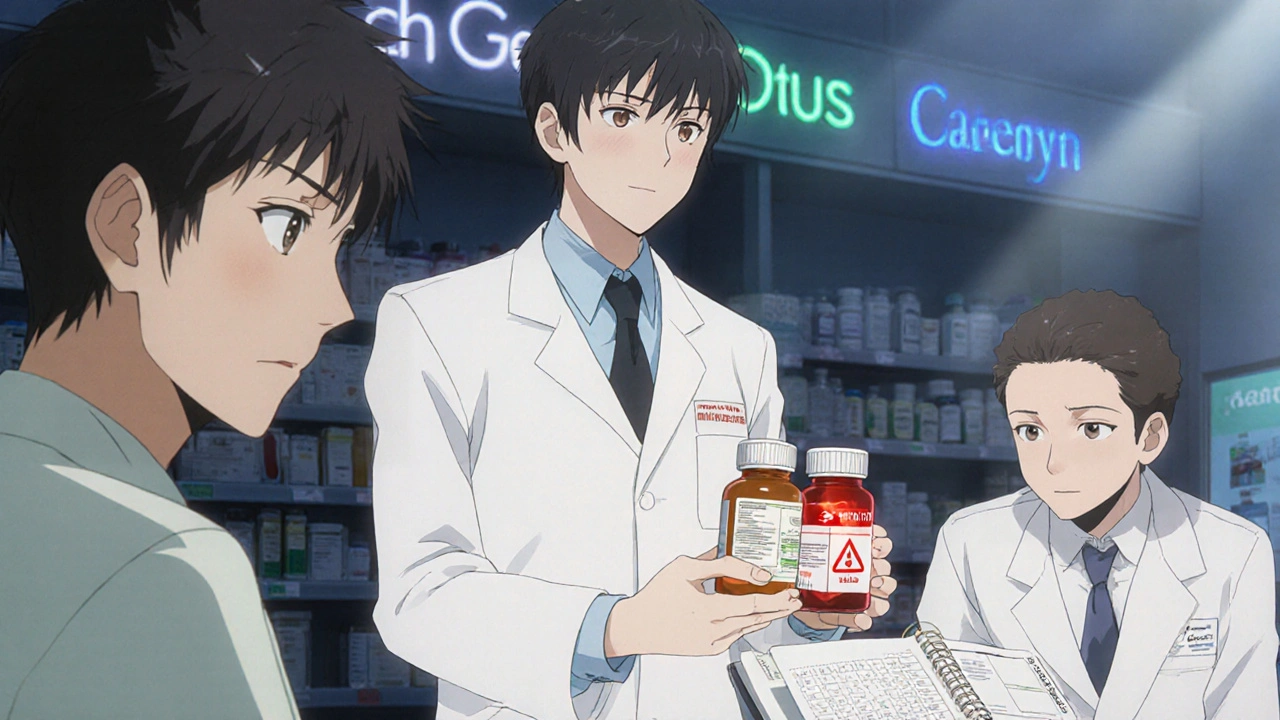
Identifying Problem Generics: When Pharmacists Should Flag Issues
Pharmacists play a critical role in catching unsafe generic drug substitutions. Learn when to flag issues with NTI drugs, look-alike names, and faulty extended-release formulations to protect patient safety.
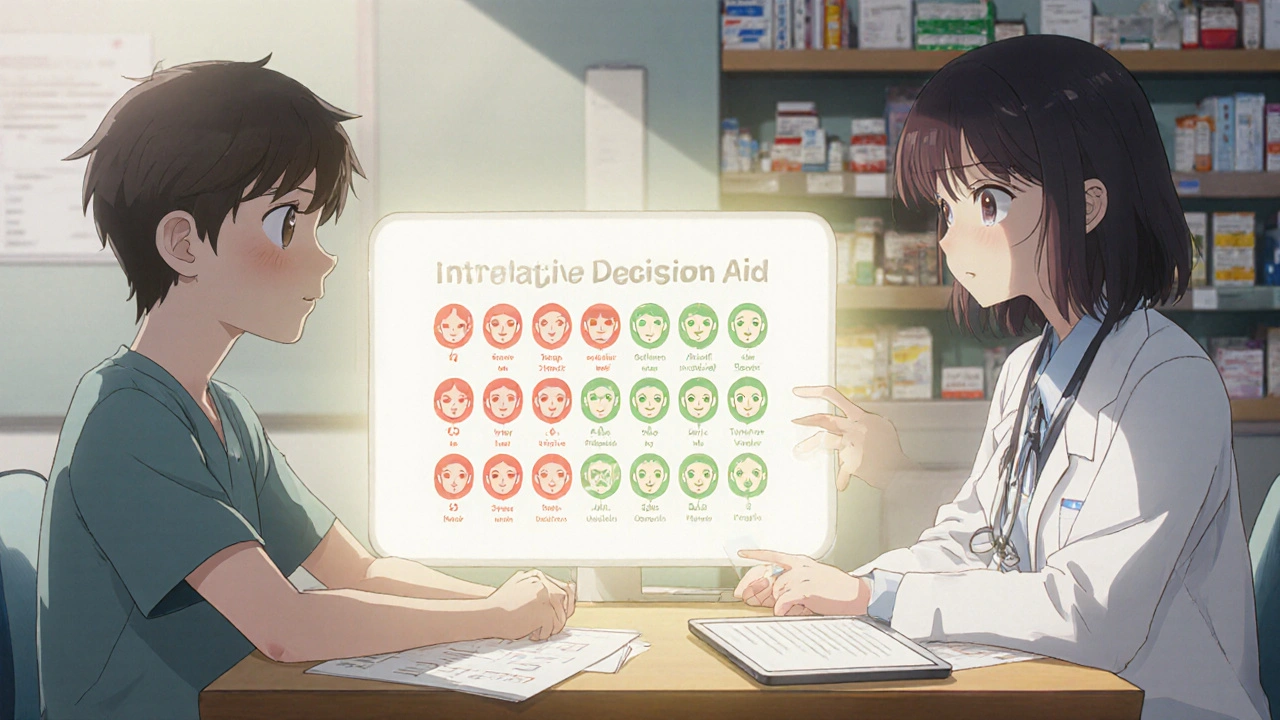
Decision Aids for Switching Medications: Understand the Risks and Benefits
Decision aids help patients understand the real risks and benefits of switching medications, using clear data and personal values to guide choices. They reduce confusion, improve adherence, and put you in control of your treatment.

Inhaler Technique: Step-by-Step Guide for Accurate Medication Delivery
Learn the correct 8-step inhaler technique to ensure medication reaches your lungs, not your throat. Fix common mistakes that reduce effectiveness and increase side effects for asthma and COPD patients.

Vilazodone and Diarrhea: How to Manage GI Side Effects Without Quitting Treatment
Vilazodone (Viibryd) often causes diarrhea in 26-29% of users, but most cases are mild and resolve within 2 weeks. Learn how to manage it with dosing, food, diet, and probiotics - without quitting treatment.