
Drug Interactions: What You Need to Know Before Taking Multiple Medications
When you take more than one medication, drug interactions, unintended effects that happen when two or more drugs react inside your body. Also known as medication interactions, they can make a drug stronger, weaker, or cause side effects you didn’t expect. This isn’t rare—it happens every day. Someone on blood pressure meds might add an over-the-counter cold remedy and suddenly feel dizzy. A person taking warfarin could start a new antibiotic and risk dangerous bleeding. These aren’t hypotheticals. They’re real, preventable dangers.
Narrow therapeutic index (NTI) drugs, medications where even a small change in blood level can cause harm. Also known as narrow window drugs, they include warfarin, phenytoin, and thyroid meds. Switching generics for these isn’t just a paperwork change—it can be life-changing, for better or worse. And it’s not just pills. Steroid eye drops, used to reduce eye inflammation. Also known as corticosteroid eye drops, they can raise eye pressure and cause glaucoma if used with certain other meds. Even something as simple as grapefruit juice can interfere with cholesterol drugs or blood pressure pills. Your body doesn’t see drugs as separate; it sees them as chemicals competing, cooperating, or clashing.
Older adults are especially vulnerable. Many take five or more medications daily, and anticholinergic burden, the combined effect of drugs that block acetylcholine in the brain. Also known as cognitive-draining meds, they include common allergy, bladder, and sleep pills. That pile of meds might be quietly fogging your memory. And if you’re on immunosuppressants, drugs that lower your immune system after a transplant or for autoimmune disease. Also known as anti-rejection meds, they can make vaccines unsafe or change how other drugs are processed. The same meds that keep your new liver alive might make a simple flu shot risky.
It’s not just about what’s in your bottle. It’s about timing, food, and even your genetics. Some people break down drugs faster than others. Some can’t handle certain generics. And if you’re breastfeeding, pumping, or managing diabetes, your drug interactions look different than someone else’s. That’s why checking every new prescription with your pharmacist isn’t being cautious—it’s basic safety. You wouldn’t drive a car without checking the brakes. Why risk your body with meds you don’t fully understand?
Below, you’ll find real stories from people who’ve been there—how a simple switch to a generic caused confusion, how steroid eye drops silently damaged vision, how a common cold medicine nearly sent someone to the ER. These aren’t warnings. They’re lessons. And you don’t need to wait for a mistake to learn them.
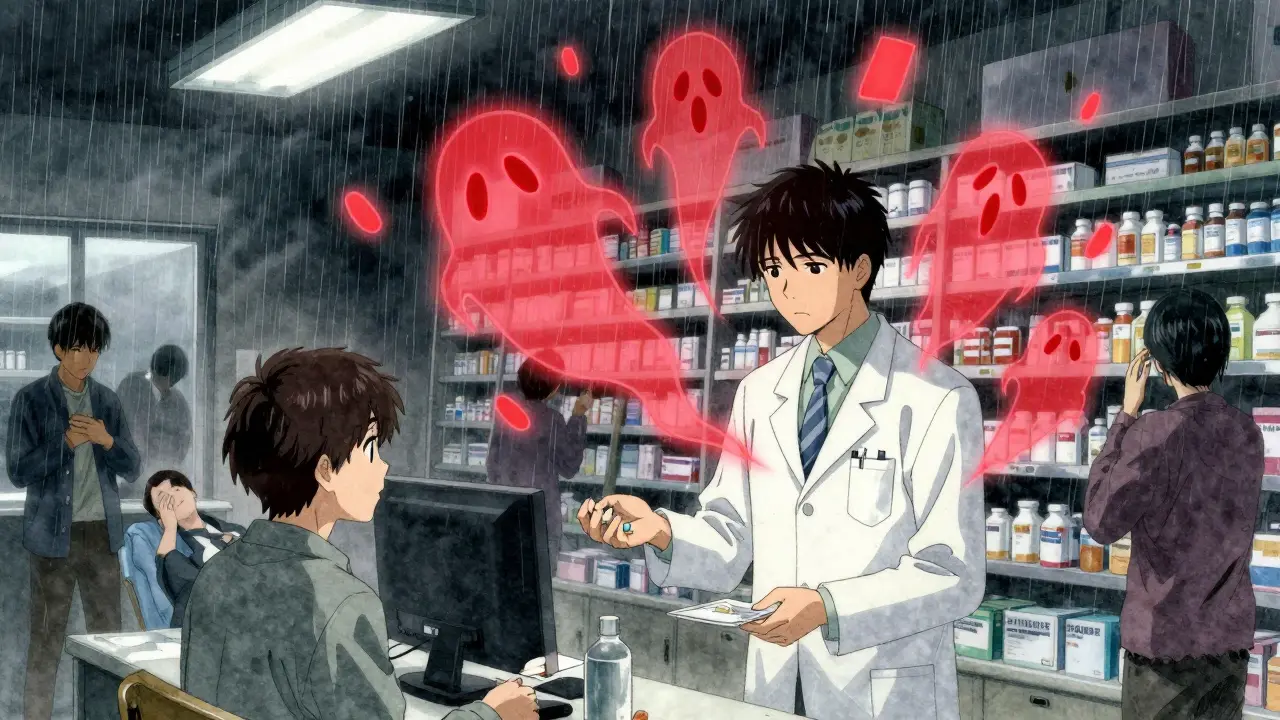
Red Flags in Drug Interactions: Combinations Your Pharmacist Should Question
Certain drug combinations can cause life-threatening reactions, yet many pharmacies fail to catch them. Learn the top five dangerous interactions pharmacists must question - and how to protect yourself.
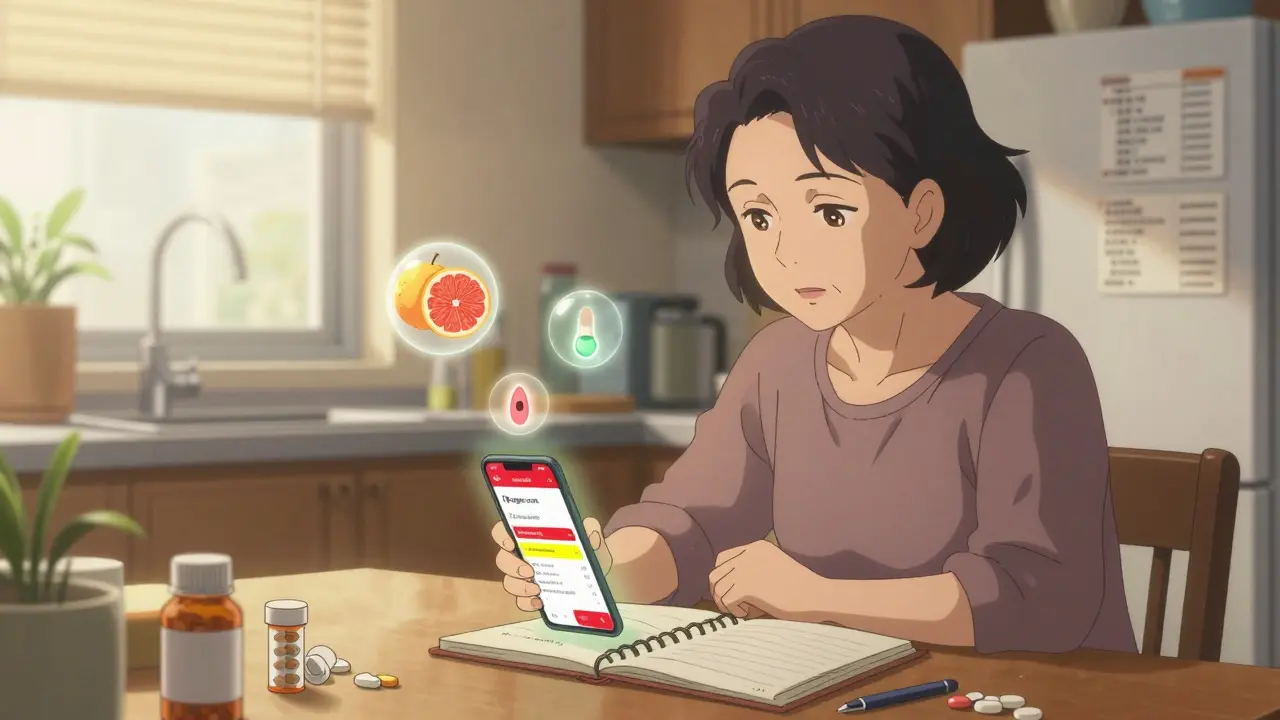
How to Check for Drug Interactions at Home Safely
Learn how to safely check for drug interactions at home using trusted online tools. Know what to look for, how to interpret results, and when to call a pharmacist - before a serious reaction happens.
Over-the-Counter Medication Safety: Hidden Ingredients and Interactions You Can't Afford to Ignore
Many OTC medications and supplements contain hidden pharmaceutical ingredients not listed on labels, leading to dangerous drug interactions and life-threatening side effects. Learn how to protect yourself from contaminated products.
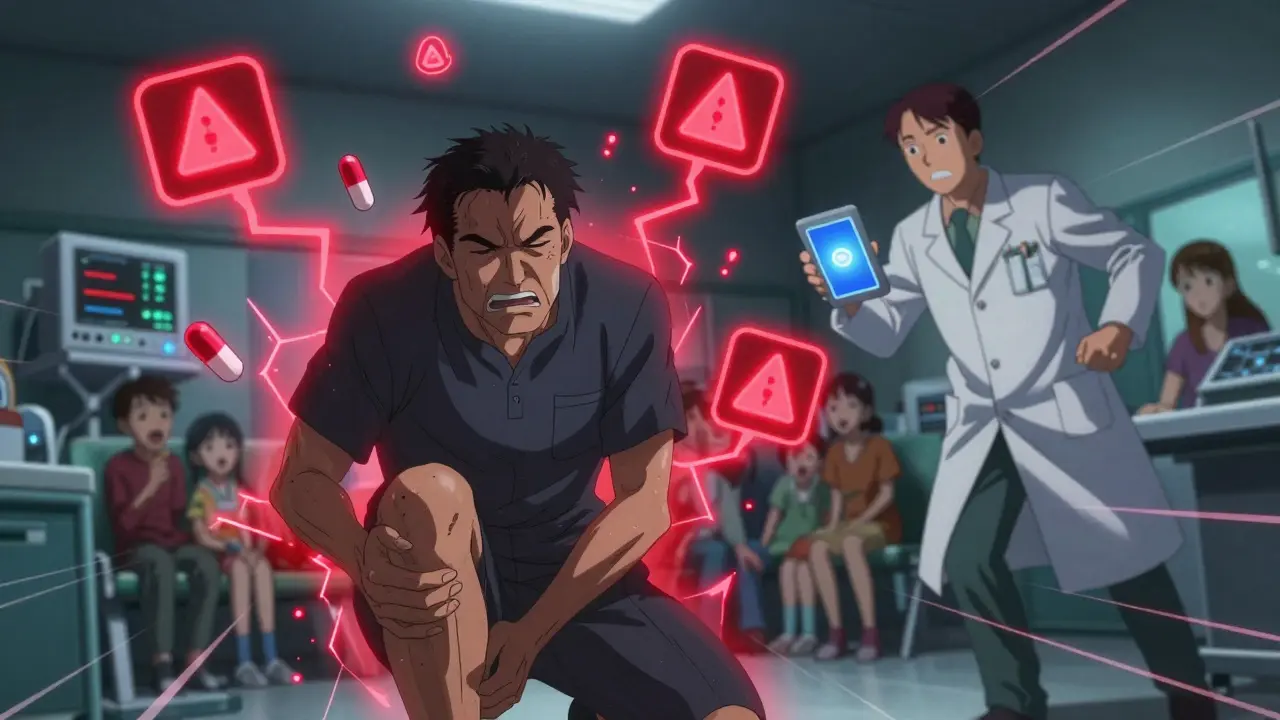
Drug Interactions Discovered Post-Market: What It Means for Your Safety
Drug interactions discovered after approval can cause serious harm. Learn how post-market surveillance catches hidden risks like statin-antifungal combos and grapefruit-drug reactions that clinical trials miss.
Herbal Supplements and Drug Interactions: What You Need to Know for Safety
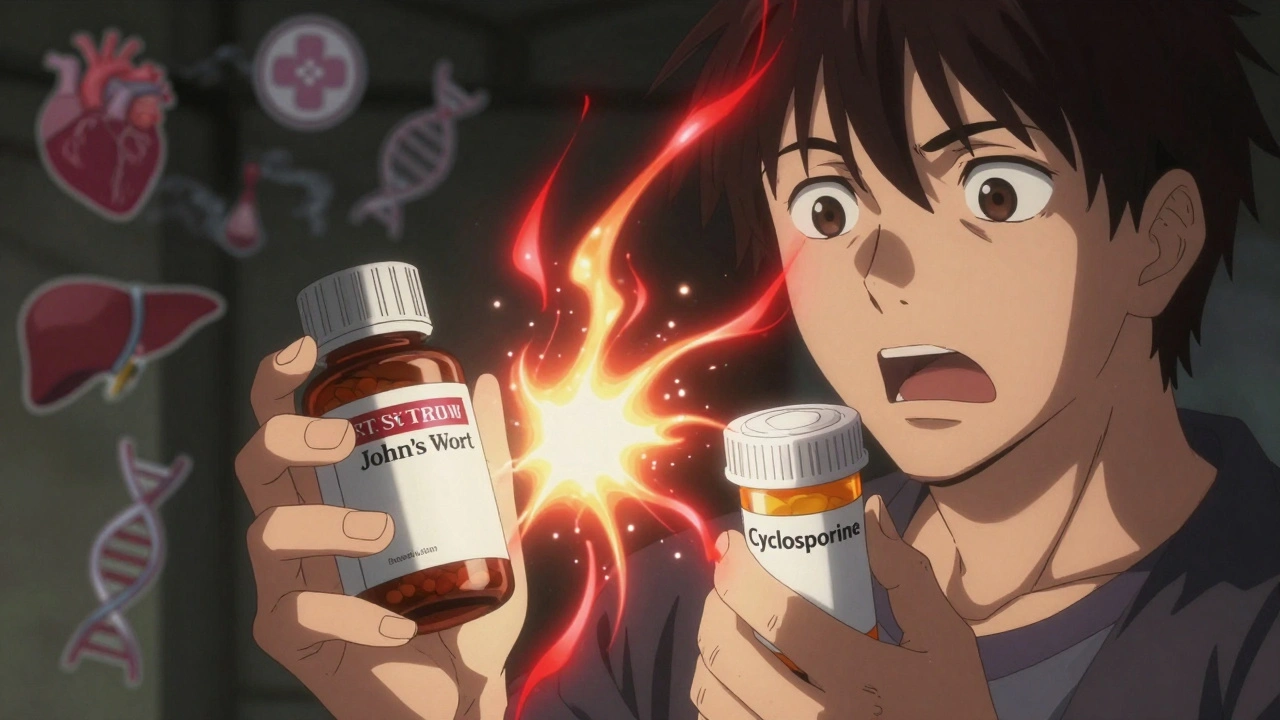
Herbal supplements can dangerously interact with prescription drugs, reducing effectiveness or causing toxic buildup. St. John’s wort, ginkgo, and danshen are among the riskiest, with documented cases of organ rejection, bleeding, and heart issues. Always talk to your doctor before combining herbs with meds.