
Category: Medications - Page 3

Global Medication Safety: How Different Countries Regulate Drugs
Different countries regulate drugs in wildly different ways-leading to safety gaps that affect millions. Learn how the FDA, EMA, TGA, and others compare, and why global medication safety still falls short.
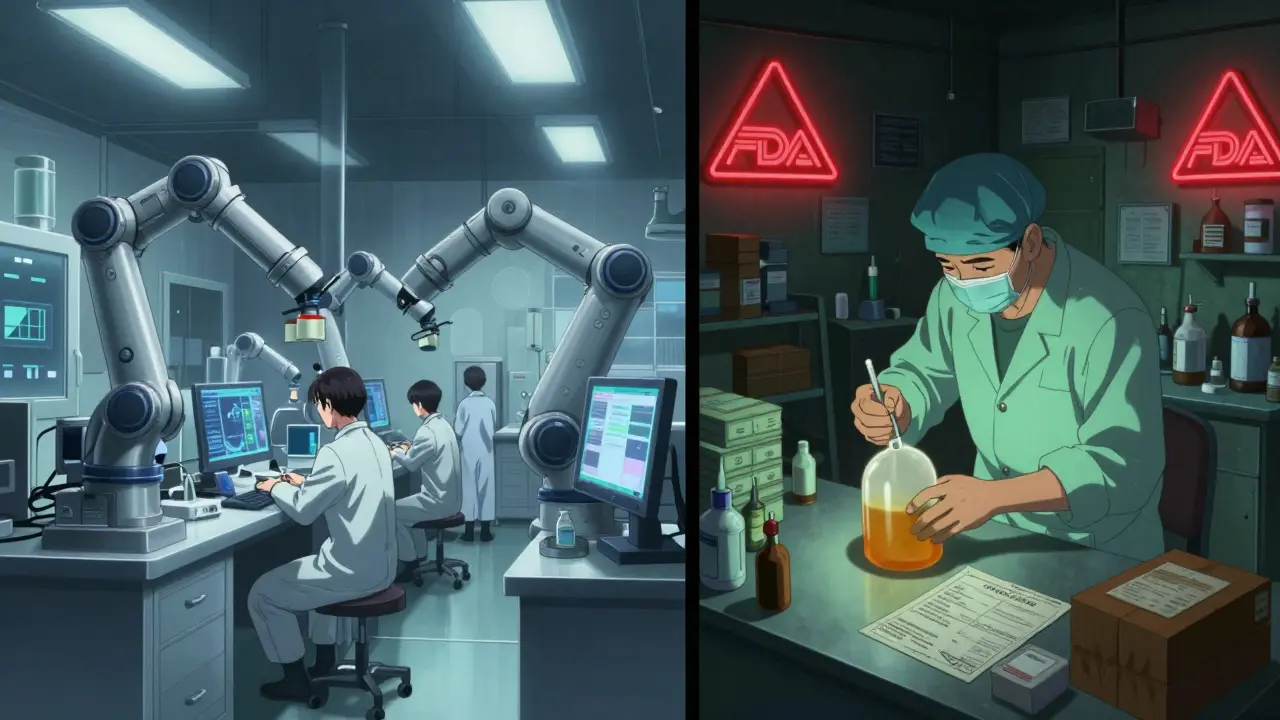
Foreign Manufacturing Quality Issues: How Overseas Production Risks Are Rising in 2026
Foreign manufacturing quality issues are worsening in 2026, with drug recalls rising and inspection loopholes exposing dangerous gaps. Learn why oversight is failing and how companies are fighting back.
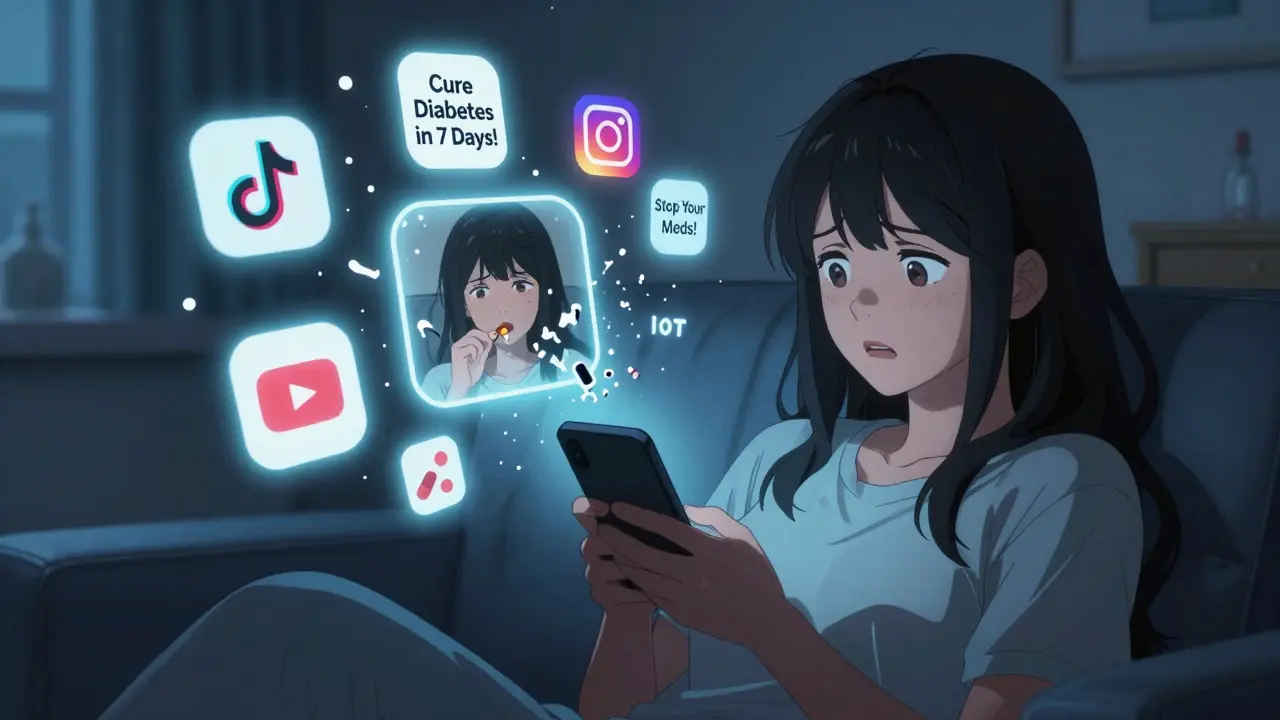
How to Recognize Unsafe Medication Advice on Social Media
Learn how to spot dangerous medication advice on social media. From fake cures to influencer scams, discover the red flags and trusted sources that can keep you safe.
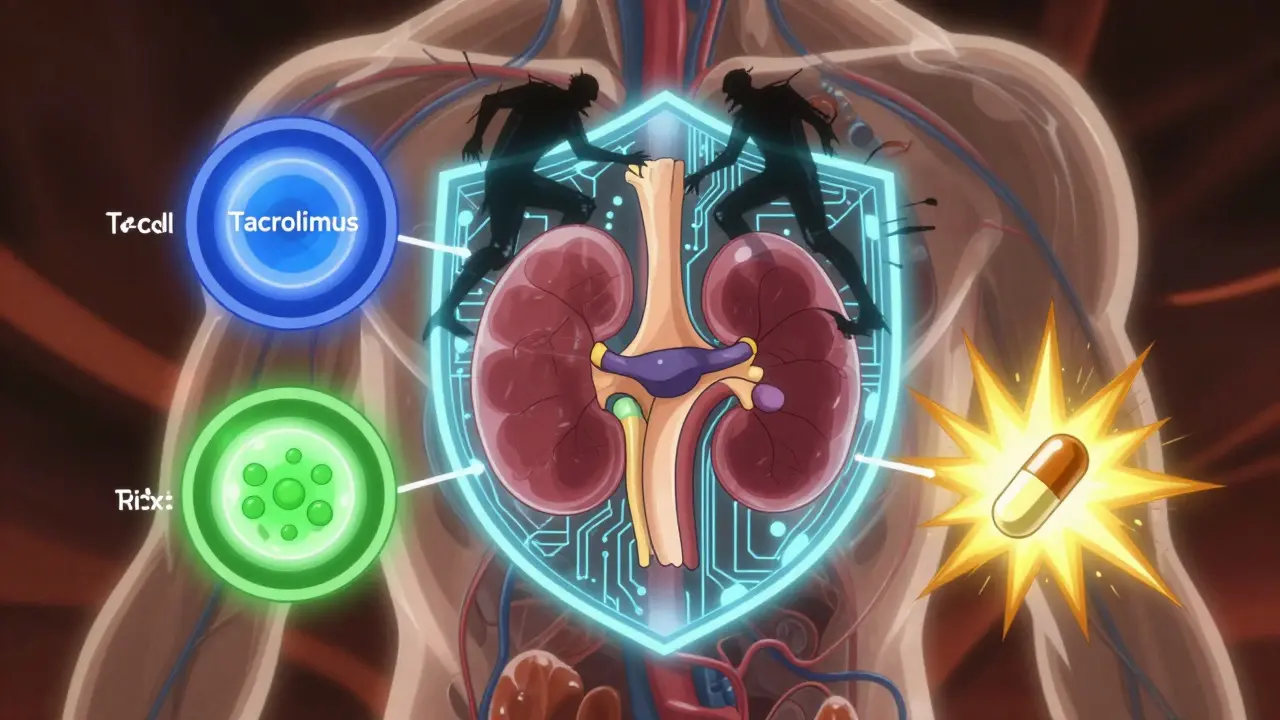
Transplant Immunosuppression: How Tacrolimus, Mycophenolate, and Steroids Work Together After Kidney Transplant
Tacrolimus, mycophenolate, and steroids are the standard drugs used after kidney transplant to prevent rejection. Learn how they work, their side effects, and what’s changing in transplant care.
Why Patients Stick to Brand-Name Medications Despite Higher Costs
Despite generics being just as effective, many patients stick with brand-name medications due to trust, familiarity, and fear of change. This article explores why brand loyalty persists in healthcare-and what you can do about it.
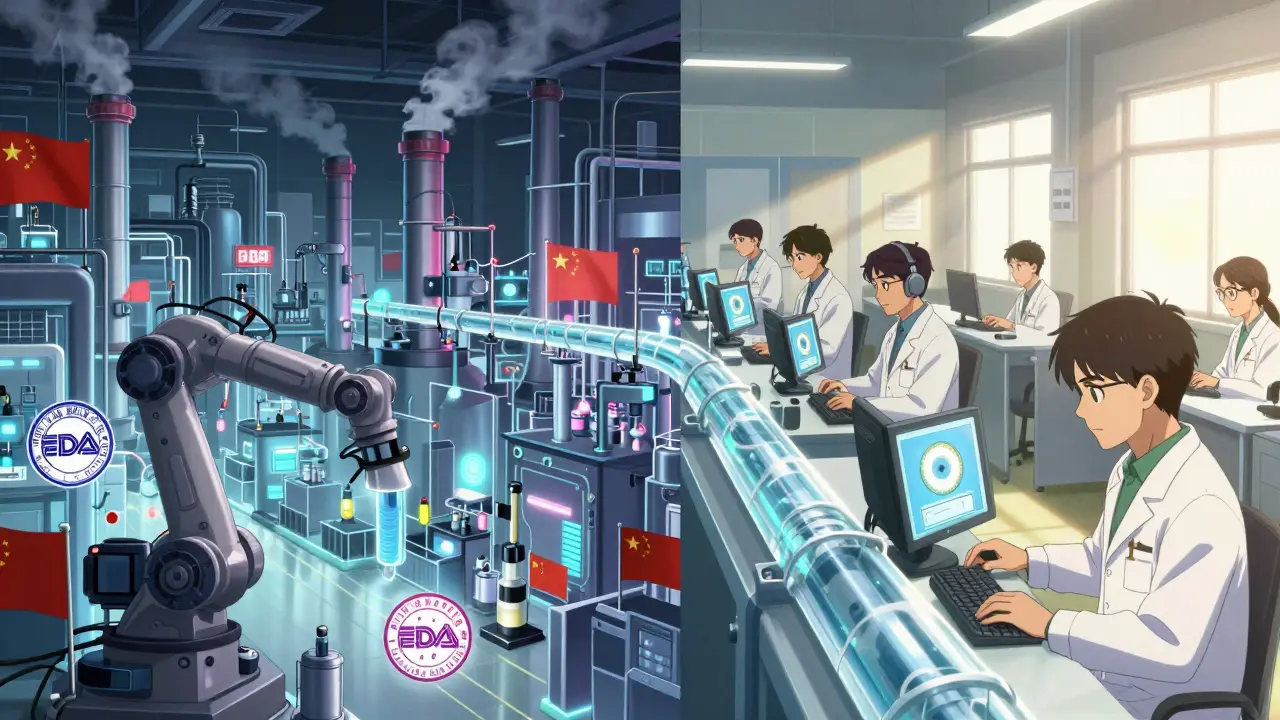
China and India Manufacturing: Risks and FDA Monitoring in Pharmaceutical Supply Chains
China and India dominate global pharmaceutical manufacturing, but FDA monitoring reveals stark differences in quality and compliance. India leads in regulatory reliability, while China offers scale and cost - but with higher risk.
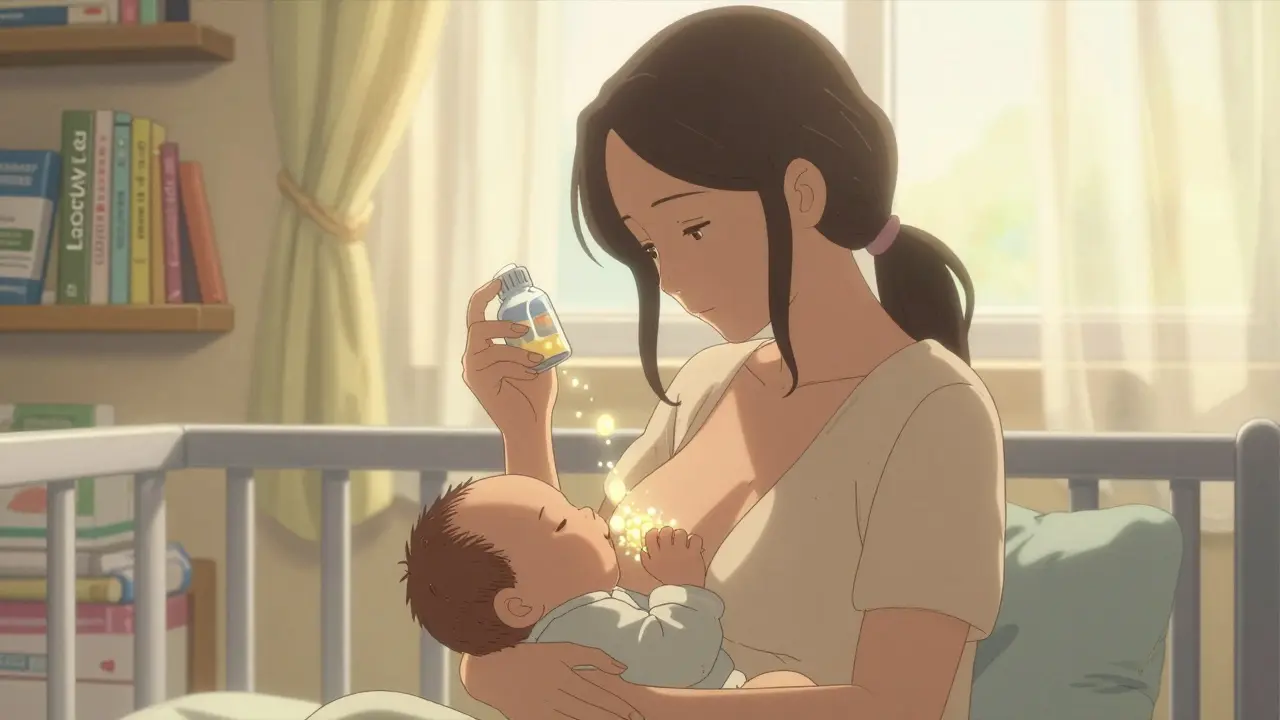
Breastfeeding and Medications: What You Need to Know About Drug Transfer Through Breast Milk
Most medications are safe while breastfeeding. Learn how drugs transfer into breast milk, which ones are safest, and how to minimize your baby's exposure without stopping nursing.
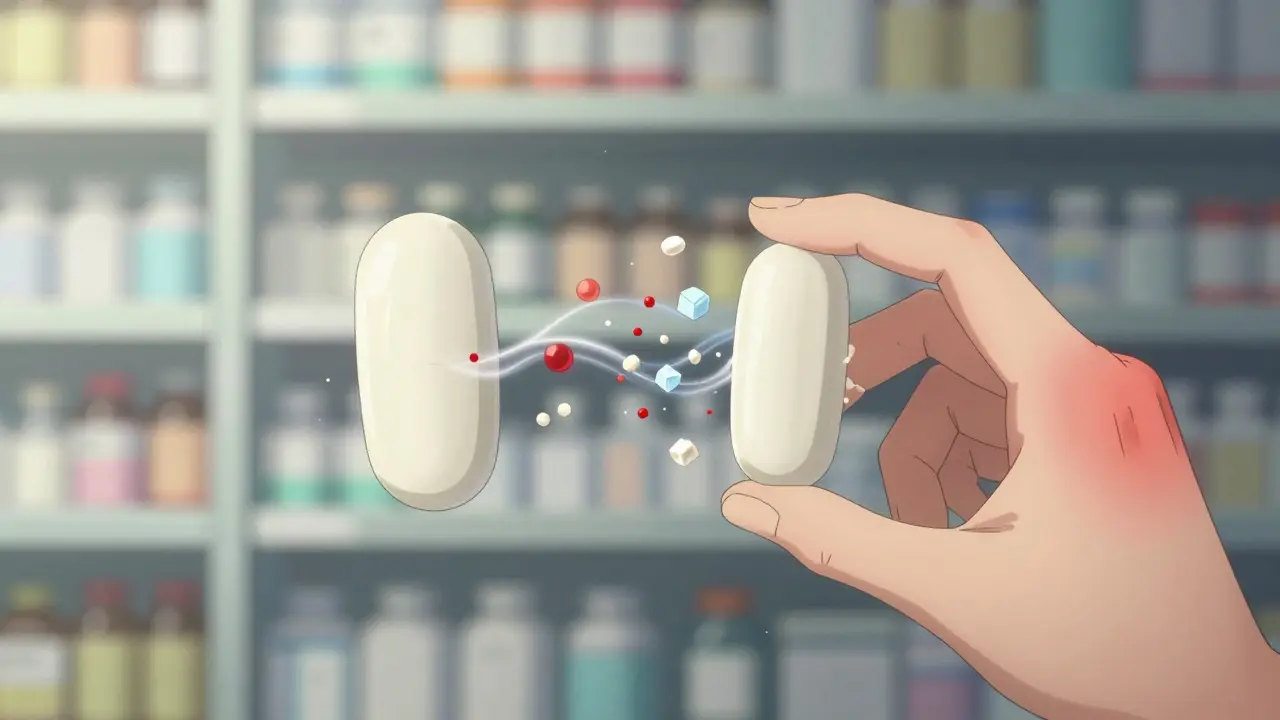
Brand vs Generic Medications: Excipients and Side Effect Intolerances
Generic medications save money but may contain different inactive ingredients that trigger side effects in sensitive patients. Learn how excipients affect drug absorption and what to do if you react to generics.
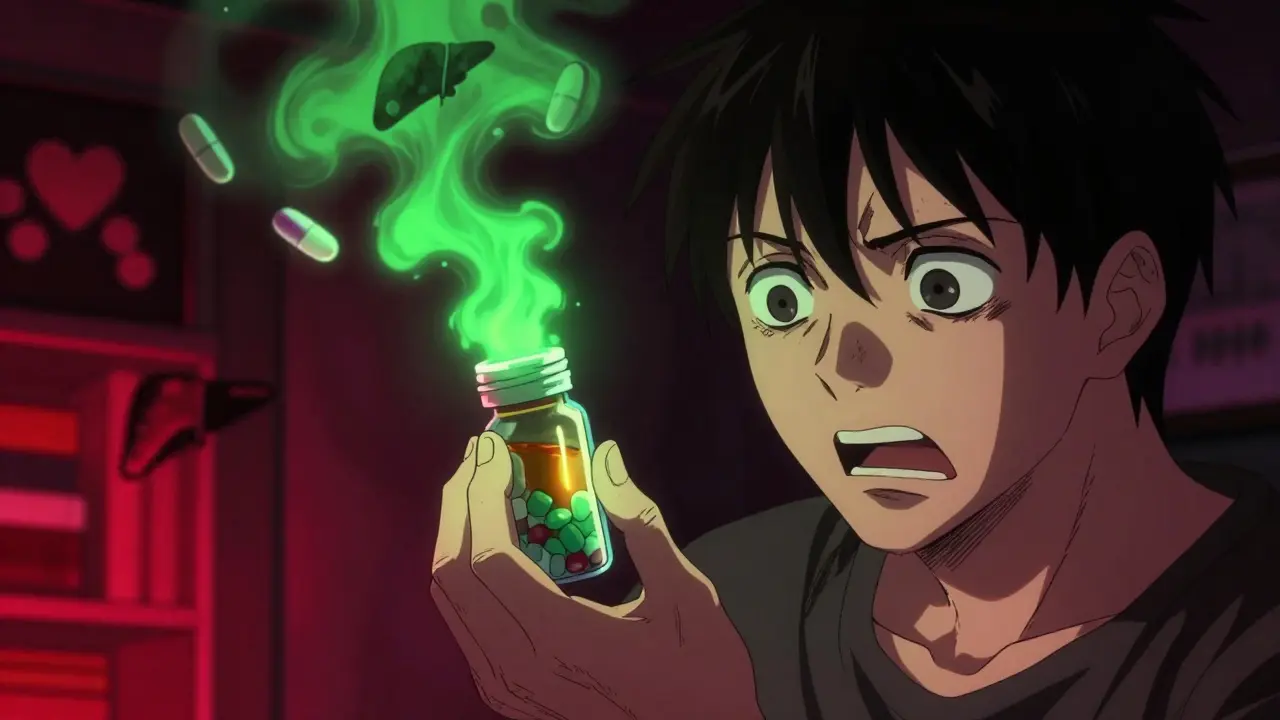
Over-the-Counter Medication Safety: Hidden Ingredients and Interactions You Can't Afford to Ignore
Many OTC medications and supplements contain hidden pharmaceutical ingredients not listed on labels, leading to dangerous drug interactions and life-threatening side effects. Learn how to protect yourself from contaminated products.
How Generics Control Healthcare Drug Spending: Real Cost Savings Explained
Generics make up 90% of U.S. prescriptions but only 12% of drug spending. Learn how they save billions, why they're safer than you think, and why the system still makes it hard to use them.